Bringing a protection dog into a loving home with other pets is exciting, but also a little tricky! Whether you have a cat 🐱, another dog 🐶, a bunny 🐰, or even a parrot 🦜, your new K9 protector needs the right introduction to fit in happily.
At https://protectiondogss.com/, we specialize in training protection dogs who can live safely with your family, including your furry and feathered companions! 🎓💖 we’ll help you do it the right way, calmly, safely, and with long-term peace in mind.
🧠 How to introduce with family pets:
- 🐾 Use slow and supervised introductions
- 🐾 Train obedience first
- 🐾 Create neutral meeting spaces
- 🐾 Watch for stress signs
- 🐾 Use tools like crates, leashes, gates
- 🐾 Never rush the process
- 🐾 Ask for help from experts like Our Protection Dog Team
🏠 Why Protection Dogs Need Careful Introductions
Protection dogs are loyal, brave, and smart. They’re trained to protect you from danger—but that protective instinct can confuse your family pets. A new dog entering their territory might feel scary or threatening.
It’s not that protection dogs are “aggressive.” Far from it! The elite dogs at https://protectiondogss.com/ are trained for obedience, control, and calm behavior. But like any dog, they need time to adjust to new animal friends.
Think of it like starting a new school. Even if you’re super nice, you still need time to learn the rules, faces, and playground friendships! 🎒🐕
📋 Step-by-Step: Introducing a Protection Dog to Other Pets
1️⃣ Prepare Before the Meeting
Before anyone meets anyone, do this:
| What To Do | Why It Helps |
|---|---|
| 🛋️ Set up safe zones for each pet | So no one feels trapped or cornered |
| 🚪 Install baby gates or crates | So you can separate when needed |
| 🐕 Practice commands with your protection dog | Control = safety! |
| 😌 Stay calm yourself | Your pets follow your energy |
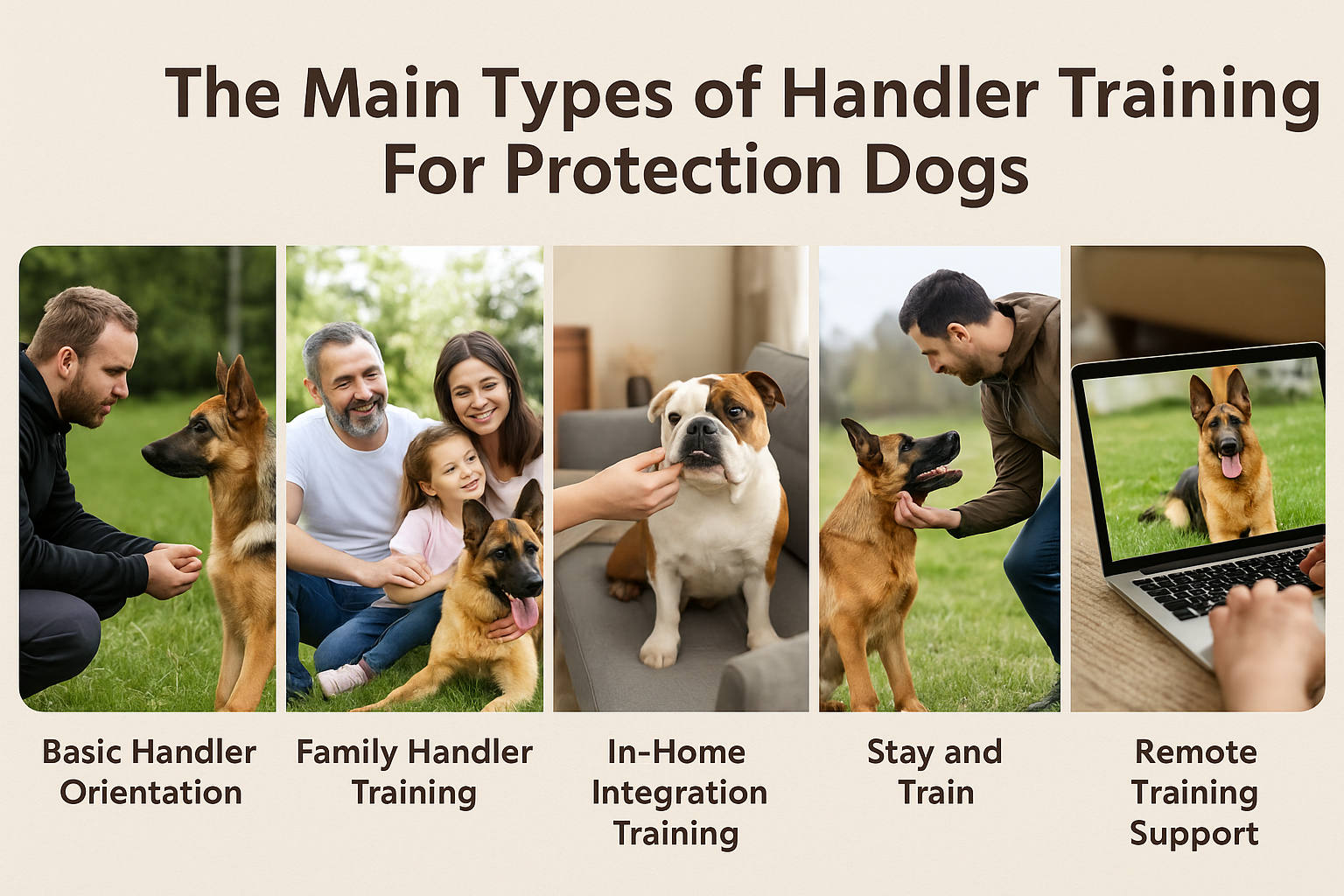
Want help with setup? Try our In-Home Integration service—we’ll do it with you!
2️⃣ Start With Scents
Before the pets ever see each other, swap blankets or toys between them. Let your protection dog sniff your cat’s bed, or your bunny sniff a towel that smells like the dog. 👃
This helps everyone get used to each other safely and silently. No face-to-face pressure yet!
3️⃣ Use a Barrier First
Your protection dog should see and hear the other pet through a gate, fence, or crate first.
For example:
- Your cat can explore the room while your dog is behind a gate
- Or your protection dog can relax on leash while the parrot stays in its cage
Praise calmness: “Good boy for sitting!” 🎉
Keep sessions short at first—maybe 5–10 minutes. Gradually increase time if everyone stays chill.
4️⃣ Go for a Walk Together (Neutral Ground)
For other dogs, one awesome trick is the parallel walk 🐾:
- Two humans walk the dogs side-by-side
- Stay about 10–20 feet apart
- Let them sniff the same trees and sidewalk spots
This makes them feel like a pack, not rivals. After a few walks, you can try supervised greetings.
💡 If you need help, our Family Handler Training team can show you how to do this safely!
5️⃣ Face-to-Face Introductions (Short & Sweet!)
Once both pets are calm and curious, you can try a face-to-face meeting:
- Protection dog should be on leash
- Other pet can be in your arms (if small) or on leash/crate
- Let them sniff briefly, then separate
Give treats, praise, and end on a positive note 🎁
Don’t force it! Some pets need many tries. That’s okay.
🐶 Tips for Different Pets
🐱 Cats
Cats like their space. Go slow.
| Tip | Why |
|---|---|
| Keep escape routes open 🏃♀️ | Cats need to feel in control |
| Don’t chase! 🚫 | Teach your dog “leave it” |
| Use baby gates | Cats can jump, dogs can’t! |
Protection dogs like Belgian Malinois or German Shepherds can learn to respect cats well when trained early.
🐕 Other Dogs
Introducing two dogs? Focus on:
- Neuter/spay status
- Age and energy levels
- Resource guarding (food, toys, people)
Never feed them in the same room at first. And never leave them alone until you’re 100% sure they’re friends.
Looking for a protection dog that’s already dog-social? Check out our Family Protection Dogs!
🐰🐹 Small Animals
Little pets like rabbits, guinea pigs, and hamsters may seem like prey to dogs.
Tips:
- Keep cages up high or behind secure doors
- Don’t allow nose-to-cage interactions
- Use “leave it” and focus games with your dog
Not all protection breeds are ideal with tiny animals. But with the right breed match and training, it’s possible. Ask about our Dog Selection Evaluation.
🦜 Birds
Birds are sensitive to energy and noise. Dogs might bark or jump with excitement.
What helps:
- Teach your dog a “quiet” command
- Let your bird hear dog noises from afar first
- Limit close contact unless bird is caged
If your bird is free-flying, introductions might be best avoided entirely.
📊 Breed Compatibility Chart
Here’s a quick look at how different protection dog breeds typically do with other animals (with good training!):
| Breed | Good With Cats | Good With Dogs | OK With Small Pets |
|---|---|---|---|
| German Shepherd | 👍 | 👍👍 | ⚠️ |
| Belgian Malinois | 👍 | 👍 | ⚠️ |
| Doberman | 👍 | ⚠️ | ⚠️ |
| Cane Corso | ⚠️ | 👍 | 🚫 |
| Rottweiler | 👍 | ⚠️ | ⚠️ |
| Dutch Shepherd | 👍 | 👍 | ⚠️ |
| Presa Canario | ⚠️ | ⚠️ | 🚫 |
| Boerboel | ⚠️ | 👍 | 🚫 |
⚠️ = Possible with training
🚫 = Not recommended without expert help
Let us guide you at https://protectiondogss.com/ to find the best match for your pet-filled home.
🧠 Why Behavior Training is Key
A protection dog with obedience training is easier to manage around other pets. Period. They need to know:
- “Leave it” 👃
- “Stay” ✋
- “Place” 🛏️
- “Come” 🐾
- “Down” ⬇️
We offer training refreshers with real-world pet scenarios. Learn more about Training Refresh.
💬 Real Family Success Stories
🦴 “We introduced our Cane Corso to our senior cat. With help from the Stay & Train program, they now nap in the same sunbeam!” – Jamie from Texas
🦴 “I was scared our two Labradors wouldn’t accept our new German Shepherd protector. But the In-Home Support made it so smooth!” – Tyler in Colorado
🦴 “Even our bunny isn’t afraid anymore. Our Protection Dog Upgrade helped us go from chaos to cuddles.” – Kim in New York
❌ Mistakes to Avoid
- ❗ Don’t introduce too soon
- ❗ Don’t let pets “work it out”
- ❗ Don’t skip training refreshers
- ❗ Don’t punish protective behavior—redirect instead
- ❗ Don’t leave pets together unsupervised too early
With the right guidance, your protection dog and family pets can live together in peace and safety. Think of it as teamwork—not rivalry.
And remember, we’re here to help every step of the way! Our services include:
👉 In-Home Integration
👉 Family Handler Training
👉 Dog Selection Evaluation
👉 Stay & Train Programs
Get started today at https://protectiondogss.com/. Your pets will thank you with tail wags, nose boops, and happy naps together 🐾💤
❓FAQs
Can my protection dog live with my cat?
Yes! With slow introductions and proper training, many protection dogs can peacefully live with cats. Breeds like Dutch Shepherds and Dobermans often do well.
How long does the introduction process take?
It depends! Some pets adjust in a week, others take months. Go at your pets’ pace and use tools like gates and leashes to keep things safe.
What if my pets fight?
Separate them immediately and contact a professional. Our In-Home Integration experts can help reset and reintroduce safely.
Are certain breeds better with other animals?
Yes! German Shepherds, Dutch Shepherds, and Belgian Malinois often do well. Talk to us about Dog Selection.
Should I hire a trainer?
Absolutely! Our Family Handler Training makes the process smoother, safer, and less stressful for everyone.