
Your backyard is a slice of heaven for your protection dog 🐾. It’s a place to play, relax, patrol, and guard your home. But is it truly safe for them? 🤔
A secure yard isn’t just about fences and gates, it’s about creating a safe and enriched space where your protection dog can thrive, work, and stay out of trouble. Whether you live in a quiet suburb or a busy rural area, this ultimate yard security checklist helps you protect your home and your dog at the same time.
Let’s learn how to keep your pup safe, secure, and happy, every day! 🛡️💚
Why Yard Security Matters for Protection Dogs 🔐🐕
Protection dogs are loyal, smart, and trained to defend. But even the best-trained dog can face danger if the yard isn’t safe.
Here’s why yard security is so important:
| Risk | How It Affects Your Dog |
|---|---|
| 🕳️ Escapes | Your dog might dig out or jump over fences and get lost. |
| 🧍 Strangers | Trespassers or delivery drivers could get too close. |
| 🐀 Wildlife | Coyotes, raccoons, or snakes can pose danger. |
| 🌿 Toxins | Some plants, mulch, and chemicals are toxic to dogs. |
| ⚡ Electrical Hazards | Loose wires and cords could shock or injure your dog. |
| 🧸 Boredom | A boring yard may cause digging, chewing, or barking. |
That’s why it’s super important to check your yard regularly, and we’ll show you exactly how!
✅ The Ultimate Yard Security Checklist
Use this complete checklist to protect your protection dog and keep your home safe at the same time!
1. 🚧 Fence Check: Strong, Tall & Safe
Your first line of defense is a solid fence. Even if your dog is obedient, instincts can take over.
Fence security tips:
- Minimum height: 6 feet tall for most breeds (like German Shepherds, Dobermans, Belgian Malinois)
- No loose boards or rusted chain links
- Latch gates securely with locks
- Add a coyote roller or anti-jump bar at the top
- Fill gaps at the bottom to prevent digging
🔍 Tip: Walk the entire fence line weekly to check for weak spots.
2. 🚪 Secure All Gates
Gates are the easiest escape route if left open. Be extra cautious.
- Use self-closing hinges or spring-loaded gates
- Install padlocks or child-proof latches
- Add a “Beware of Dog” sign to deter trespassers
- Check for rust, sagging, or loose bolts monthly
We also recommend using cameras or smart locks near gates if you travel often. Our K9 Transport Services can help when needed!
3. 🐾 Dig-Proof the Yard
Many protection breeds love to dig! It’s natural but dangerous if it helps them escape.
How to stop digging:
- Bury chicken wire or paver stones beneath the fence line
- Use a gravel or mulch trench to make digging unpleasant
- Give them a sandbox or digging box for supervised fun
- Play mentally stimulating games (see our Enrichment Ideas)
Dogs like Boerboels and Cane Corsos are strong enough to dig out fast, don’t wait until it’s too late!
4. 🌿 Check for Poisonous Plants and Mulch
Many popular garden items are dangerous to dogs!
Common toxic items:
- 🌸 Azaleas
- 🌱 Oleander
- 🌼 Daffodils
- 🌾 Sago palm
- 🌻 Cocoa mulch
- 🍇 Grapes or grapevines
🧼 Also avoid chemical fertilizers, weed killers, or pesticides in areas your dog can reach. Instead, use pet-safe alternatives or fence off your garden zones.
5. 🧱 Surface Safety
Watch where your dog walks, runs, or plays. Rough or hot surfaces can cause injury.
- Avoid gravel, jagged rocks, or broken concrete
- Test pavement with your hand: If it’s too hot for you, it’s too hot for them!
- Keep grass trimmed to avoid hiding ticks or snakes
- Replace slippery tiles with rubber mats near dog zones
6. ⚡ Remove Electrical Hazards
Dogs love to chew, and even a little wire can be deadly ⚠️
- Cover or bury extension cords and outdoor lights
- Block access to AC units, generators, or pumps
- Use dog-proof covers for outlets and switches
- Check for exposed wiring every month
Older dogs or puppies in Stay & Train Programs need extra supervision outdoors!
7. 🌞 Provide Shade and Water
Protection dogs can easily overheat, especially large breeds like Great Danes or Black Russian Terriers.
What to provide:
- A covered patio or pop-up canopy
- Always-fresh water bowl in a shaded spot
- Cooling mat or raised cot
- Spray misting system for hot days
Learn more on our Weather Safety Tips blog!
8. 🧸 Boredom-Proof the Yard
Boredom leads to chewing, barking, escaping, and digging 😬
Easy fixes:
- Rotate toys every 2-3 days
- Hide treats or kibble in safe areas for sniffing fun
- Set up a tunnel, ramp, or obstacle course
- Install a “dog window” in the fence for visual stimulation
Don’t forget to read our full list of Mental Stimulation Games your dog can play alone or with family.
9. 🎥 Add Surveillance & Lighting
Protect your protection dog like they protect you 💡🎥
- Install motion-sensor lights at all fence corners
- Add solar cameras or doorbell cams near gates
- Use smart alerts to monitor outdoor activity when you’re not home
- Secure camera systems inside dog-proof boxes or high spots
Our Security Assessment Service can help you identify yard blind spots or risks you may miss.
10. 🐶 Supervise and Train Consistently
The best security system = training + supervision.
- Never leave new dogs unsupervised in the yard
- Reinforce “leave it,” “come,” and “boundary” commands
- Praise calm behavior around neighbors, squirrels, or noise
- Use Remote Training Support if you need expert help
Dogs like Akitas or Dogo Argentinos can be strong-willed. Consistent training helps them stay respectful and calm in your yard.
🗂️ Quick Checklist Table for Yard Security
| Area | What to Check | Frequency |
|---|---|---|
| 🔲 Fence | Damage, height, gaps | Weekly |
| 🔲 Gate | Lock, latch, auto-close | Weekly |
| 🔲 Ground | Holes, sharp rocks, hot surfaces | Bi-weekly |
| 🔲 Plants | Toxic species, fertilizer use | Monthly |
| 🔲 Water | Fresh, clean bowl in shade | Daily |
| 🔲 Shade | Covered space or cool zone | Daily |
| 🔲 Toys | Safe, rotated, non-toxic | Every 3 days |
| 🔲 Electrical | Covered cords, safe boxes | Monthly |
| 🔲 Cameras & Lights | Clean lenses, active sensors | Monthly |
| 🔲 Training | Commands, patrol habits | Ongoing |
Print this checklist and do a full yard inspection at least once a month ✅
🐕🦺 How Hearthward K9 Can Help
We don’t just sell protection dogs, we support you with total lifestyle security. Whether you need a new dog or want to make your yard safer for one, we’re your partner.
Here’s how we can help with your yard security goals:
🌟 Dog Selection & Evaluation – Choose a dog that fits your space and lifestyle. Not all breeds are suited for large yards or rural areas.
🌟 Protection Dog Training – Our training programs teach dogs how to stay calm, guard properly, and avoid chasing strangers or escaping the yard.
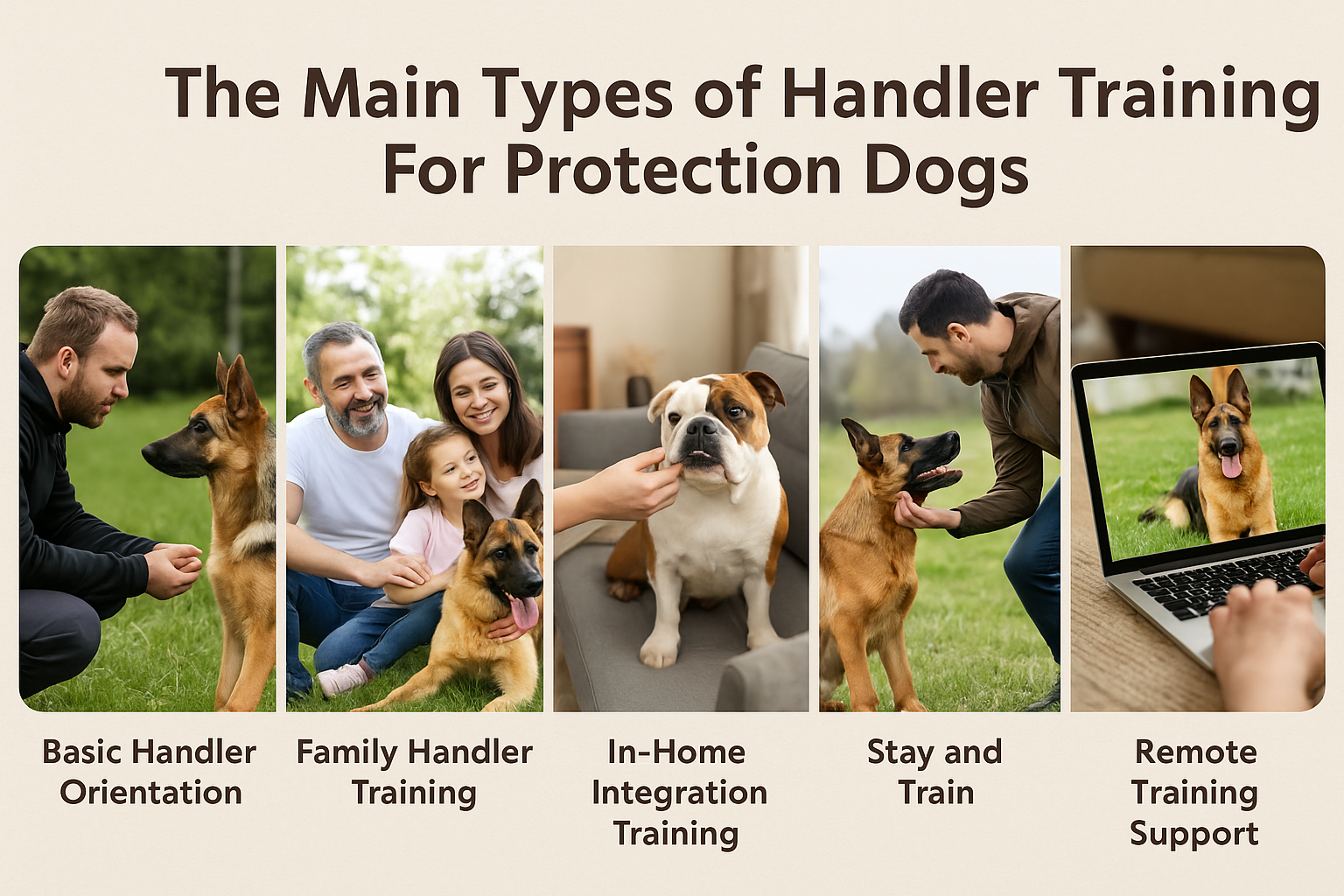
🌟 In-Home Integration – We’ll help your dog adjust to your backyard, boundaries, and routines.
🌟 Security Assessment – Get a custom report on how to improve your yard and home safety.
🌟 Stay & Train Boarding – Let your dog practice patrol behavior, obstacle navigation, and yard discipline in a safe, guided way.
No other company offers such a full-circle approach to dog AND home safety 💪🐾
Ready to get started? Visit Hearthward K9 today!
💡 Bonus Tips for Every Season
- Summer ☀️: Watch for heatstroke, add kiddie pools, and check for hot pavement
- Fall 🍁: Remove fallen fruit or mushrooms and check for burrowing critters
- Winter ❄️: Add straw in dog houses, cover outlets, and use non-salt de-icers
- Spring 🌸: Avoid lawn chemicals and trim thorny bushes before playtime
Each season brings new yard safety needs. Check out our Seasonal Care Tips for a full guide!
Your protection dog gives 100% to keep your home safe. Let’s give them the same in return 🐶❤️
By following this yard security checklist, you’re creating a home environment that’s not only secure, but also enriching and fun. And when in doubt, remember: You don’t have to do it alone.
We’re here to help with everything from training to yard safety planning to protection dog matching. Because at Hearthward K9, we believe safety starts at home 🏡✨
🤔 Frequently Asked Questions (FAQs)
How tall should my fence be for a protection dog?
At least 6 feet tall! Some breeds may even need 7-foot fences to avoid jumping out.
Can my protection dog stay in the yard all day?
Only if it’s shaded, safe, and supervised. Dogs need companionship, water, and enrichment throughout the day.
What if my dog digs under the fence?
Bury wire mesh or concrete pavers along the fence line, and give your dog a designated dig zone with toys.
Is it okay to use electric fencing?
It’s not ideal for protection dogs. They may ignore the shock or get anxious. Physical fences are better.
What breeds need the most yard security?
Strong, independent dogs like Belgian Malinois, Boerboels, and Dobermans need tight yard control.
Should I hire someone to assess my yard?
Yes! Our Security Assessment Service offers expert eyes to find hidden dangers and upgrades.
Do protection dogs mark territory in the yard?
Yes. This is normal but should be managed with good training and cleanup habits.
Can my protection dog guard the house from the backyard?
Yes, but training is key! They must learn when to alert vs. when to relax. We cover this in our Protection Dog Training programs.