Does your protection dog whine, bark, or destroy stuff when you leave the house? 😢 That could be a sign of separation anxiety. Just like us, dogs can feel scared or lonely when left alone. This is especially true for protection dogs who bond super tightly with their humans 🐕❤️.
But don’t worry—we’re here to help! At https://protectiondogss.com/, we’ve worked with hundreds of amazing families and their dogs. Now, we’ll teach you easy steps to help your dog feel safe, confident, and calm when you’re not around 🏡💤.
Whether your dog is already showing signs or you just want to prevent anxiety before it starts, keep reading for full training tips, care routines, and real-life advice. Let’s help your dog relax, even when you’re away 🦴🌈.
What you need to know:
- 🐾 Separation anxiety is common in loyal protection dogs
- 💡 Signs include barking, pacing, chewing, or bathroom accidents when alone
- 🐶 You can train your dog to feel calm when you leave
- 🧠 Use games, desensitization, and calm exits
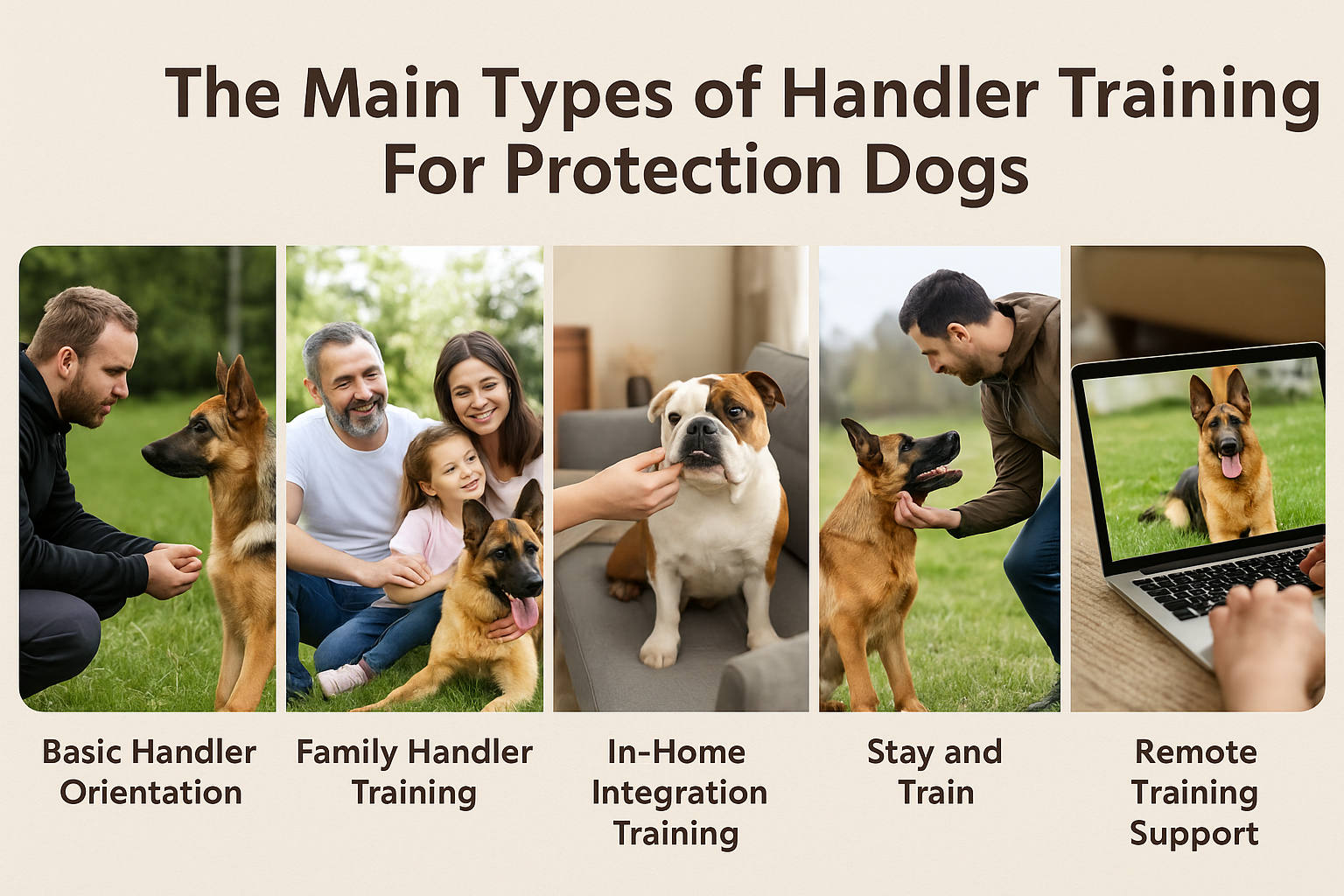
- 🧳 Our services like Stay & Train and In-Home Integration can speed things up
- 💕 With love, time, and routine, your protection dog can feel safe, even when you’re gone!
What Is Separation Anxiety in Dogs? 🤔
Separation anxiety is when a dog gets very upset or stressed when their human leaves them alone. It’s not just being sad, it’s panic.
Protection dogs are extra loyal. They’re trained to always keep an eye on you and your family. So when you walk out the door, their job feels unfinished… and that can lead to stress 😰.
Common Signs of Separation Anxiety 🛑
| Sign | What It Looks Like | Severity |
|---|---|---|
| Barking or howling | Starts shortly after you leave | Mild to Severe |
| Chewing or digging | Furniture, doors, or crates get damaged | Severe |
| Pacing | Walking in circles or back and forth | Moderate |
| House accidents | Pee or poop inside, even if trained | Moderate |
| Escaping attempts | Scratches on doors or broken crates | Severe |
| Drooling or panting | Even when not hot or thirsty | Mild to Moderate |
If your dog shows 2 or more of these signs when alone, they may have separation anxiety 💡.
Why Protection Dogs Get It More Often 🐕🦺
Protection dogs are superheroes, but even superheroes have feelings! 🦸♂️
Here’s why they’re more at risk:
- Strong bond: These dogs are bred and trained to be close to you 24/7
- Work-focused: Their “job” is protecting you. If you’re gone, they feel lost
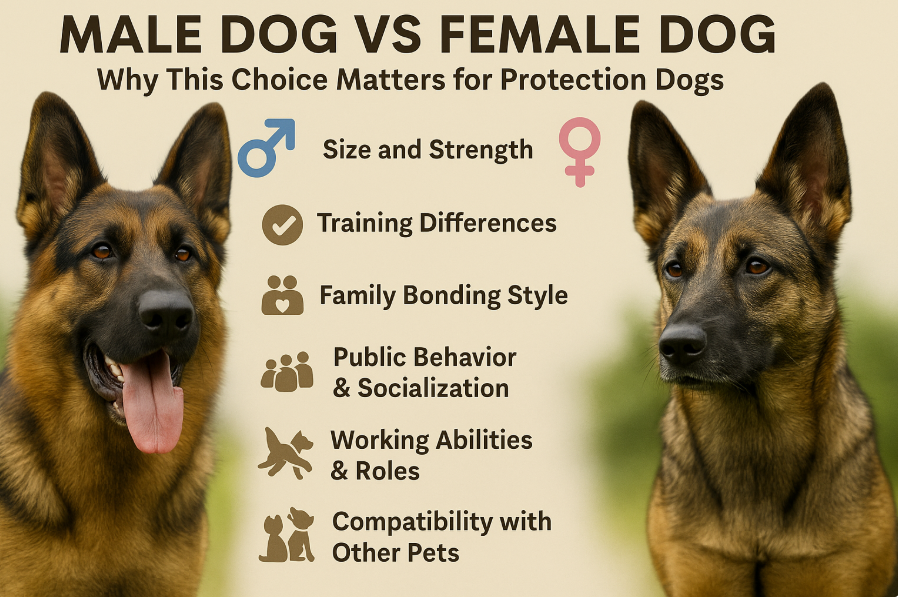
- Sensitive personalities: Many top breeds like the German Shepherd, Doberman, and Belgian Malinois are super tuned into their environment
That’s why it’s important to handle this early and gently 💛.
How to Prevent Separation Anxiety 🚫😟
Even if your dog is totally calm now, it’s smart to prevent issues before they begin!
Here are steps we recommend to all new protection dog owners at https://protectiondogss.com/:
1. Practice Alone Time Early 🕒
Start with tiny breaks, even if you’re just stepping into another room.
- Step outside for 30 seconds, come back.
- Gradually increase the time apart each day.
- Always return calmly.
2. Build a Happy “Goodbye Routine” 👋🎾
Make leaving feel like fun!
- Give a special treat only when you leave (like a peanut butter Kong)
- Use a phrase like “Be right back!” so they associate it with return
- Never make a big deal out of leaving or coming back
3. Don’t Let Them Follow You Everywhere 🚪🐕
Yes, it’s cute. But shadowing builds dependence. Try:
- Closing the bathroom door
- Giving commands like “place” while you move around the house
- Teaching calm independence with training mats or safe zones
How to Manage Mild Separation Anxiety 💬
If your dog is just starting to show signs, act fast! Small steps now can avoid big issues later.
Use Puzzle Toys & Brain Games 🧩🦴
Mental stimulation reduces stress! Try:
- Treat-dispensing toys
- Snuffle mats
- Frozen chew toys
- Hide-and-seek with treats
Check out our guide: Mental Stimulation Games
Gradual Desensitization Training 🧠🐾
This is where you teach your dog that you leaving = nothing scary.
- Pick a signal (grabbing keys, putting on shoes)
- Do it, then sit back down. Repeat until your dog doesn’t react.
- Add small exits, like stepping outside for 10 seconds.
- Work up to 10+ minutes slowly.
Background Noise Helps 🎶📺
Leaving on:
- A white noise machine
- Classical music
- The TV or a podcast
can help your dog feel like someone’s still home.
What To Do for Moderate to Severe Anxiety 🆘
When anxiety causes destruction, panic, or risk of injury, it’s time for a stronger plan.
Here’s what works best:
1. Crate Training (Done Right!) 🏠
A crate should feel like a cozy bedroom, not punishment!
Learn how in our guide: Crate Training Essentials
Make it comfy with:
- A blanket
- Long-lasting chews
- Calming scents
Only use crates if your dog has been properly trained to love them.
2. In-Home Integration Support 🛋️🐕
Sometimes your home layout or routine may be stressing your dog out.
Our In-Home Integration Service helps you create the perfect calm space and schedule customized to your family and dog!
3. Stay & Train or Boarding 🏫🐶
If things feel too overwhelming, your dog can stay with us for a full reset.
Our Stay & Train Program helps anxious dogs build confidence with structure, fun, and expert support.
We also offer Boarding Services if you need to travel without worry.
Helpful Home Tools 🧰
Here’s a list of calming tools many of our clients love:
| Tool | Why It Helps |
|---|---|
| Adaptil diffuser | Mimics calming dog pheromones |
| ThunderShirt | Wraps gently around the body, like a hug |
| Lick mats | Releases dopamine through repetitive licking |
| Elevated cot | Keeps dogs cool and gives structure |
| Dog camera | Helps you check in or talk to your dog remotely |
Check out our Digital Camera Review to pick the best camera!
Family Rules to Reduce Anxiety 👨👩👧👦📋
Everyone in your home should follow the same plan:
- No loud exits or dramatic hellos
- Respect your dog’s “quiet zones”
- Avoid teasing or rough play when they’re anxious
- Don’t punish anxiety behaviors (like chewing or barking). Focus on prevention and support instead 💕
When to Call a Professional 📞
If you’ve tried the steps above for 2-4 weeks and your dog is still panicking, don’t wait.
You may need:
- A certified trainer
- A behaviorist
- A vet (for calming supplements or medications)
We can help you find the best path through our Training Programs or K9 Health & Wellness Program.
We’re Here for You 💬🐶
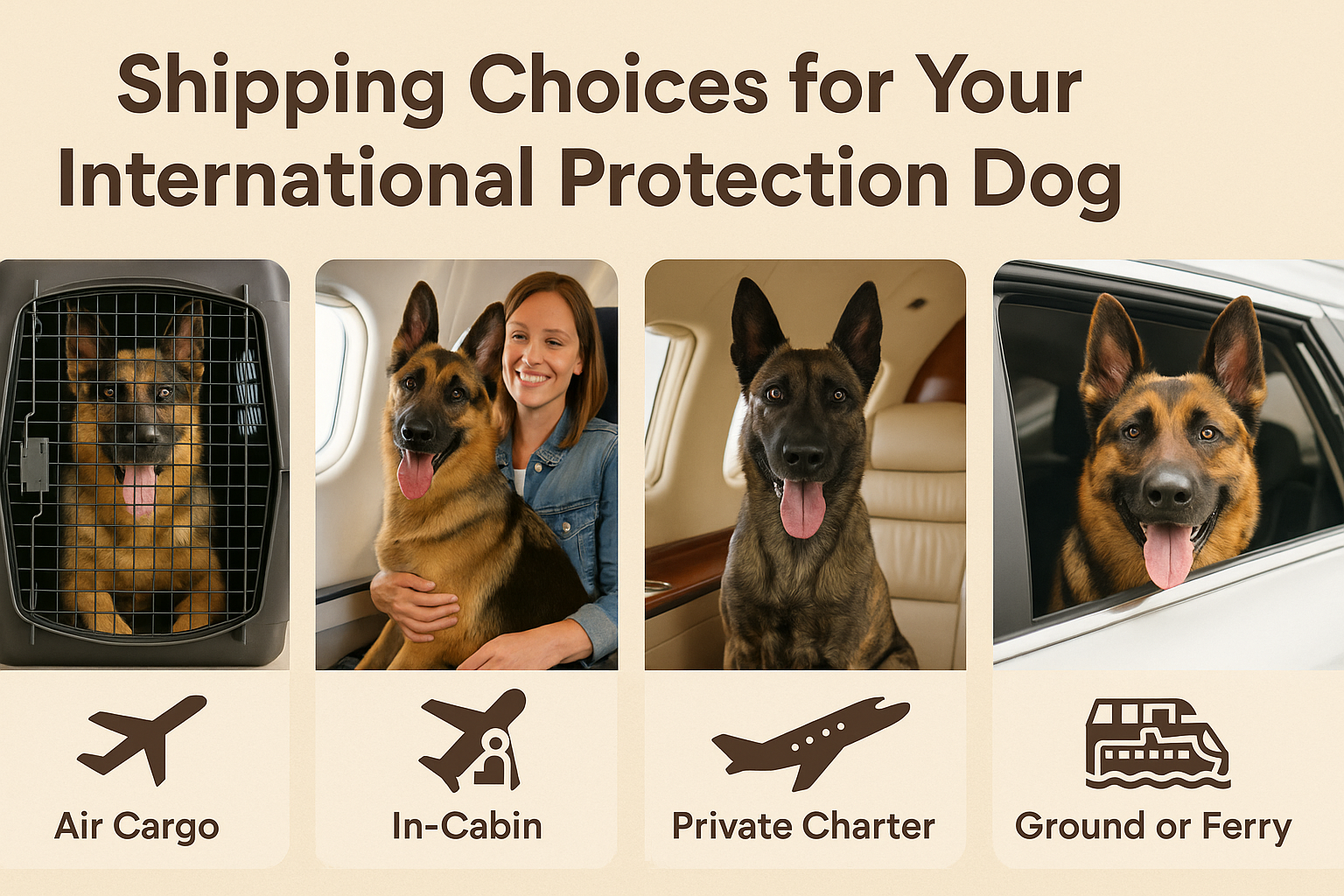
At https://protectiondogss.com/, we understand that protection dogs are part of your family. Whether you need help training, calming, or traveling with your pup, we’ve got your back!
Explore these helpful pages next:
- Stay & Train Program
- In-Home Integration Support
- Protection Dog Boarding
- K9 Health & Wellness
- Family Handler Training
Let’s help your dog go from worried to wonderful 💖.
FAQs: Managing Separation Anxiety in Protection Dogs 🧠
How do I know if my dog has separation anxiety?
Signs include barking, destruction, pacing, or peeing when left alone. If it happens only when you’re away, it’s likely anxiety.
Can protection dogs live alone during the day?
Yes, but only after training and setup. Crate time, enrichment toys, and calm routines help them stay relaxed.
What breeds are most at risk?
Breeds like German Shepherds, Belgian Malinois, Cane Corsos, and Dobermans tend to bond deeply and may be more prone.
Can puppies have separation anxiety?
Yes! Puppies can get anxious easily. It’s important to train calm independence early.
What’s the best way to leave the house?
Leave calmly. No hugs, no drama. Give a special treat, say “Be right back,” and exit.
Should I crate my dog while I’m gone?
Yes, if they’re crate trained and happy inside. Crates give structure and safety.
Is medication safe for anxiety?
In severe cases, yes, with a vet’s help. Always try training and environment first.
Can training really help?
Absolutely! Consistent training is the #1 way to reduce anxiety long-term.
Will my dog ever grow out of it?
Sometimes. But many need lifelong support. With structure, they can live happy, calm lives.
Can I leave my dog with a friend?
Yes, just make sure your dog knows them and you leave calmly. Send comfort items like a blanket or toy.
Do cameras help with anxiety?
They can! Dogs hear your voice and you can reward calm behavior. See our camera guide.
What’s a good daily routine?
Try this:
- Morning walk & training 🎾
- Solo crate time with toy 🧸
- Afternoon play or nap 😴
- Evening enrichment & bonding 🧠❤️
Can I work full-time and still help my dog?
Yes! Many of our clients work full time. Use crate time, enrichment, and check-in cameras.
Should I get a second dog?
Maybe, but not as a fix. Another dog can help or hurt depending on personalities.
What if nothing is working?
Reach out! Our experts can create a custom plan just for your dog.
Want a calm, confident dog who can relax when you’re gone? 🐶🛋️
Start today with the right tools, routine, and support. And if you ever need a helping paw, visit https://protectiondogss.com/—we’ve got everything you need to raise a happy, secure protection dog 💙.
Let’s build trust, one calm day at a time! 🐾✨