Prepare Your Dog to Protect What Matters Most, YOU!
Imagine this: You’re walking to your car, and a stranger rushes toward you! 😱 Would your dog freeze… or would they know exactly what to do?
That’s where Simulated Kidnap Drills come in. These realistic training exercises are designed to help your protection dog react calmly, confidently, and correctly in high-stress situations. And yes, they can save your life.
At https://protectiondogss.com/, we don’t just sell protection dogs. We prepare them for reality. Our dogs undergo structured training in home invasions, carjackings, and yes, simulated kidnappings to ensure they’re ready when it matters.
Now, we’ll learn
- What simulated kidnap drills are
- Why they’re essential for protection dogs
- How we train dogs step-by-step for these drills
- Mistakes to avoid at home
- How you can support your dog’s training
- What sets Our Company apart 🏆
- FAQs answered simply!
Let’s learn and train for the worst-case scenario, so you never have to face it unprepared.
🧠 What Are Simulated Kidnap Drills?
Simulated kidnap drills are controlled training scenarios where a handler pretends to be attacked, grabbed, or taken against their will. The dog’s job is to recognize the threat, respond appropriately, and protect or defend.
These drills teach your dog to:
- React to aggression against their owner
- Target the “bad guy” (decoy) on command
- Stay calm when tensions rise
- Remain focused despite yelling, motion, or chaos
It’s not just “bite training.” It’s confidence training, decision-making under pressure, and teamwork with their handler.
🦴 Why Simulated Drills Matter for Real-World Protection
Protection dogs must be more than obedient, they must be reliable in chaos.
🧩 Here’s the truth: Even the best-trained dogs can freeze when a scary event happens for the first time. That’s why realistic practice matters.
Simulated kidnap drills help dogs:
- Overcome natural hesitation
- Understand what a “real threat” looks like
- Build muscle memory for defending their human
- Learn WHEN to act and WHEN to stand down
🚨 Without this kind of training, your dog may bark but do nothing, or act unpredictably. At https://protectiondogss.com/, we remove the guesswork. We build dogs who know exactly what to do.
🐾 How We Train for Simulated Kidnaps
Let’s walk through how these life-saving skills are developed in phases:
Phase 1: Foundation Obedience First 🧱
Before ANY defense work begins, we teach:
- Sit, Down, Heel, Stay
- Recall commands (Come, Here, etc.)
- Leash manners and calm behavior
- Focus on handler amid distractions
Our dogs graduate from Obedience Command Foundations before they ever begin bite work or threat response.
Phase 2: Confidence Around Strangers
A nervous dog can’t protect you. We build:
- Neutrality to crowds, noise, and movement
- Socialization with strangers in multiple settings
- Calm reactions to loud voices and fast motion
We cover this deeply in Socialization Best Practices.
Phase 3: Controlled Drive Building
Next, we begin Drive Building Exercises to channel your dog’s energy and prey drive into:
- Targeting a decoy on cue
- Holding a bite without overreacting
- Letting go when commanded
We use bite sleeves, suits, muzzles, and professional decoys for safety and consistency.
Phase 4: Introduction to Threat Cues
We teach your dog to respond to:
- Yelling or aggressive tones
- Sudden grabbing or pulling of the handler
- Specific danger words like “HELP!” or “SECURE!”
They learn: “When this happens, I take action.”
Phase 5: The Simulated Kidnap Scenario Begins 🚨
Here’s how the drill might look:
- You and your dog are walking calmly.
- A “bad guy” (trained decoy) charges at you.
- The decoy grabs your arm or simulates dragging you.
- Your dog springs into action, barks, lunges, or bites depending on training level.
- Once the decoy stops or retreats, your dog immediately returns to a control position.
- You praise your pup for a job well done! 🎉
This drill may be repeated with:
- Blind corners
- Crowds present
- Nighttime simulations
- Leash vs. off-leash control
It’s intense, but it’s invaluable.
🧱 Safety Measures We Always Use
Your dog is never put in danger during simulated drills. We follow:
- Padded suits for decoys
- Muzzle drills for beginner stages
- Controlled environments (gated yards, training fields)
- Gradual exposure, no surprises!
And every dog is trained with their handler’s safety in mind. No wild biting. No chaotic reactions. Only trained, controlled defense.
🔄 Mistakes to Avoid When Trying This at Home
⚠️ Warning: These drills should NOT be done casually at home! But here are common mistakes we help families avoid:
| ❌ Mistake | ✅ Why It’s Risky |
|---|---|
| Using untrained “bad guys” | Your dog might misread cues or injure someone |
| Skipping obedience training | Your dog won’t listen after reacting |
| Encouraging over-aggression | Can create unsafe behaviors in public |
| No decoy suit or muzzle | Increases injury risk for everyone |
| Rushing the process | Leads to fear or confusion in your dog |
Want to try some basic prep at home? Read our Confidence Building for Puppies and Handler Protection Drills for safe ideas.
🏆 Why Choose https://protectiondogss.com/ for This Level of Training?
Not all protection dog companies train for real-world threats.
Here’s how we go further:
| Feature | Our Company | Most Others |
|---|---|---|
| Simulated kidnap drills | ✅ Included in advanced training | ❌ Rare or skipped |
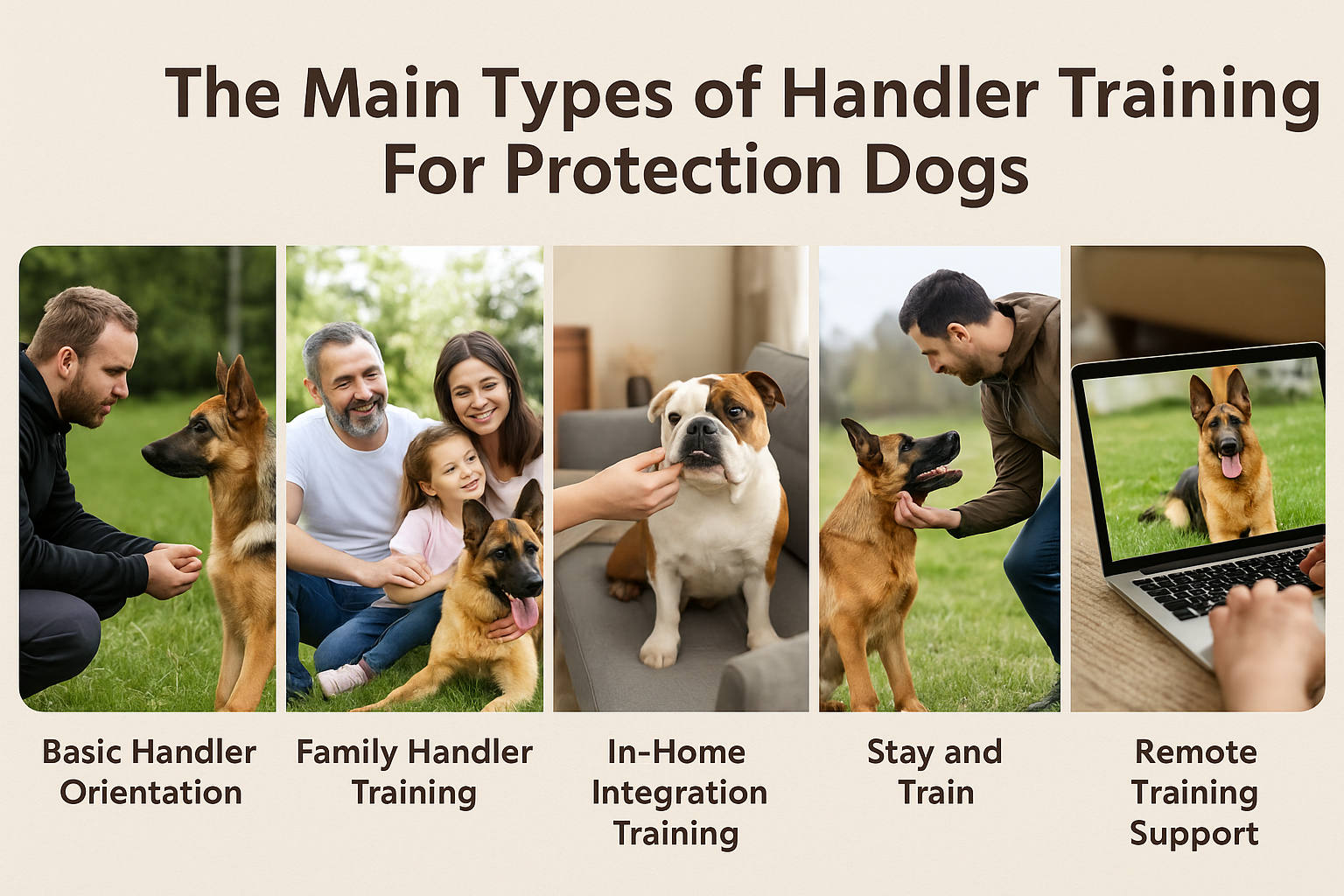
| Family Handler Integration | ✅ Yes! We train YOU too | ⚠️ Minimal or none |
| Obedience + Threat + Social | ✅ Balanced & tested | 🚫 Often one-dimensional |
| Post-purchase support | ✅ Training Refresh + In-Home Integration | ❌ Rarely included |
| Training for kids & seniors | ✅ Family Handler Training | ❌ Not offered |
And most importantly: every drill is done with safety, ethics, and dog psychology in mind.
🛡️ What Breeds Excel in Kidnap Scenarios?
Some dogs are naturals at this work! Our top performers include:
- Belgian Malinois
- German Shepherds
- Dutch Shepherds
- Dobermans
- Rottweilers
- Cane Corsos
- Giant Schnauzers
Not sure what breed fits your family best? Explore our full Protection Dogs for Sale page.
🧩 You Play a Role Too! Here’s How to Help at Home
Even if you’re not the trainer, you can help your dog succeed by:
- Practicing basic obedience daily 🦴
- Creating mock scenarios with sounds, motion, or distractions
- Reinforcing calm, focused responses
- Staying consistent with cues like “Guard,” “Stay,” or “Watch”
And yes, your dog can still be cuddly while learning to protect you like a hero. 🦸♂️🐶
🧠 Use Hand Signals and Verbal Cues Together!
In a real emergency, you might not be able to speak. That’s why we also train hand signals (learn more in Command Hand Signals Guide).
Example combo:
- Point to the threat 👉 = “Engage”
- Flat palm = “Stop”
- Fist = “Guard” stance
Your dog should understand your body, not just your voice.
🏁 Be Ready, Not Just Hopeful
Simulated kidnap drills sound scary… because kidnaps are scary.
But with proper training, your dog becomes your shield. 💪 Their instincts, paired with professional preparation, can make all the difference in a dangerous moment.
Want this kind of safety in your life?
👉 Visit https://protectiondogss.com/ to explore our fully trained protection dogs and start your journey today.
You don’t need to live in fear. You need to live with a partner who protects.
📚 Table: Simulated Kidnap Drill Breakdown
| Training Element | What It Teaches | Tools Used | Result |
|---|---|---|---|
| Verbal & Hand Cues | Listen under pressure | Commands, hand signals | Quick, focused response |
| Decoy Attack Simulation | Identify and stop threats | Padded suits, muzzles | Controlled defense |
| Handler Drag Scenario | Stop abduction movement | Leash, harness | Engage and protect |
| Environmental Challenges | Adapt to real-world chaos | Lights, crowds, sounds | Calm under pressure |
| Recall & Recovery | Return to handler control | Treats, praise | Trust and obedience |
🐶 Frequently Asked Questions
1. Is simulated kidnap training safe for dogs?
Yes! When done professionally, it’s safe, structured, and supportive. We build confidence, not fear.
2. Can puppies learn this?
Not full drills, but yes, they can start with social confidence and Confidence Building for Puppies at 8+ weeks.
3. What age is best for this training?
Most dogs begin scenario-based drills around 12-18 months after completing foundational obedience.
4. Can I do simulated drills at home?
Basic drills? Maybe. But full kidnap scenarios? Please leave that to pros. Safety first!
5. What if my dog gets too aggressive?
That’s why we use structure. We teach your dog WHEN to protect and WHEN to back off. Learn more in Balanced Training Explained.
6. Can you train me to work with my dog during these drills?
Absolutely! Our Family Handler Training includes kidnap response work tailored to your family.
7. What if I have multiple dogs?
No problem! We assess each dog separately and integrate them safely. See our Pack Structure Explained post.
8. Are your dogs already trained in this when we buy them?
Yes! Dogs from https://protectiondogss.com/ undergo this advanced training as part of our standard program.
9. Will this make my dog dangerous to strangers?
Nope! A well-trained dog knows the difference between danger and daily life. They’re safe, social, and protective, only when needed.
10. Where can I learn more or book a consultation?
Start with our Consultation Services or explore our Protection Dog Training programs.