Training a protection dog is a big responsibility, and sometimes, it comes with high-tech tools. One of those tools is the E-Collar (also called a remote collar or stimulation collar). Used right, it’s a safe and helpful way to guide your dog with kindness and structure 🧠💪.
But here’s the secret: It’s all about the settings ⚙️
Now, we’ll teach you everything you need to know about E-Collar safety settings, in a way that’s easy to understand, even for busy parents, or new dog owners.🎒🐶
And don’t worry, if it still feels like too much, Our Company at https://protectiondogss.com/ is always here to help you train with heart 💖 and science 🧪.
🧲 What Is an E-Collar?
An E-Collar is a remote training collar that gives gentle cues to your dog from a distance. These cues can include:
- 📢 Sound/Tone
- 📳 Vibration
- ⚡️ Stimulation (like a gentle tap)
Think of it like a seatbelt in a car: it keeps your dog safe when used correctly. It’s not about punishment, it’s about clear communication 🗣️.
Our professionally trained protection dogs already come with E-Collar awareness, so families can continue that communication safely. Learn more here:
👉 https://protectiondogss.com/dogs-for-sale/personal-protection-dogs
🛑 Are E-Collars Safe?
Yes, when used properly and at the right settings!
Modern E-Collars are:
- ✅ Tested for safety
- ✅ Adjustable to your dog’s needs
- ✅ Approved by professional dog trainers
But just like driving a car or using a walkie-talkie, you have to learn the rules first.
🔧 E-Collar Settings
Let’s look at each setting one by one:
🔊 1. Tone (Beep)
- Use: Alert or warning
- Strength: Sound only
- Best for: Recall, attention training
- Safety Tip: Use consistently. Don’t scare the dog with random beeps.
📳 2. Vibration
- Use: Gentle cue like “Hey, pay attention!”
- Strength: Varies from low to high buzz
- Best for: Deaf dogs, distractions, calming
- Safety Tip: Use as a soft nudge — not for correction.
⚡ 3. Stimulation (Static)
- Use: Clear signal for behavior guidance
- Strength: From level 1 (super soft) to 100 (strongest)
- Best for: Off-leash recall, redirection
- Safety Tip: Always start at Level 1 and go up until your dog notices — NOT reacts with fear.
🔒 4. Safety Lock
- Use: Prevents accidental shocks
- Best for: Every dog!
- Tip: Turn it on when not training
📊 E-Collar Settings by Dog Type & Age
| Dog Type | Age Group | Starting Stimulation | Use Vibration? | Tone Useful? | Lock Recommended? |
|---|---|---|---|---|---|
| Belgian Malinois | Adult (1-5) | Level 4–8 | ✅ Yes | ✅ Yes | ✅ Yes |
| German Shepherd | Puppy (4-6mo) | Level 1–3 | ✅ Yes | ✅ Yes | ✅ Yes |
| Doberman | Senior (7+) | Level 2–5 | ✅ Yes | ⚠️ Caution | ✅ Yes |
| Cane Corso | Teen (6-12mo) | Level 3–6 | ✅ Yes | ✅ Yes | ✅ Yes |
| Rottweiler | Adult | Level 5–10 | ✅ Optional | ✅ Yes | ✅ Yes |
| Dutch Shepherd | Working Dog | Level 4–7 | ✅ Yes | ✅ Yes | ✅ Yes |
Need help picking the right dog for your training journey? Visit:
👉 https://protectiondogss.com/dogs-for-sale
🧠 Understanding Your Dog’s Threshold
Every dog has a “working level” that’s the lowest level of stimulation they can feel without fear. Your job is to find that level, and stay close to it.
Signs you found the right level:
- Ears twitch
- Head turns toward you
- Tail flick
- Calm alertness
Signs it’s too high:
- Yelping 😢
- Hiding
- Jumping or panicking
Always train calm. Always start low. Always reward 💗
⚙️ How to Set Your E-Collar Safely
- Charge your collar 🔋
- Put it on snug but comfy (you should fit one finger under)
- Start at Level 1
- Tap the button once and observe
- Go up one level at a time until your dog shows light awareness
- That’s your starting level!
🚫 Never use high levels unless under supervision by a pro trainer.
🧴 Daily E-Collar Safety Rules
- 🕐 Don’t leave it on for more than 8 hours a day
- 🔁 Rotate collar position daily (to avoid skin irritation)
- 💦 Avoid water unless it’s waterproof
- 🧼 Clean the contact points weekly
- 🧢 Use it during training time, not just random moments
Want to learn more with help from professionals? Check out:
👉 https://protectiondogss.com/services/remote-training-support
💥 Common E-Collar Mistakes (And How to Avoid Them)
Mistake 1: Using it without basic obedience
👉 Fix: Teach verbal commands first. See our Obedience Foundations
Mistake 2: Using too high a level
👉 Fix: Stay calm. Start low. Watch your dog’s body.
Mistake 3: Using it as punishment
👉 Fix: E-Collars are NOT for anger. Use it as a neutral communication tool.
Mistake 4: Forgetting safety lock
👉 Fix: Use lock mode anytime the remote is in your pocket!
Mistake 5: No clear release command
👉 Fix: Teach your dog when it’s “all done.” We like “Free!” 🐕
🧠 Advanced Settings for Protection Dogs
Protection dogs trained for serious work may use E-Collars differently. Here are a few advanced tools built into high-end collars:
- 🗣️ Multiple stimulation modes (nick vs. continuous)
- 🧠 Custom stim programs per button
- 🚨 Emergency stop feature
- 🔁 Range control (½ mile, 1 mile)
- 📱 App-based control (on some models)
Need training support for advanced features? Ask us about our Handler Protection Drills
🏆 Why Families Trust https://protectiondogss.com for E-Collar Training
We don’t just sell dogs — we prepare you to live with a well-trained partner 🐶🛡️
Here’s what makes our E-Collar training special:
- 🐾 All dogs are started with low-level communication work
- 🎯 We match settings to your dog’s temperament
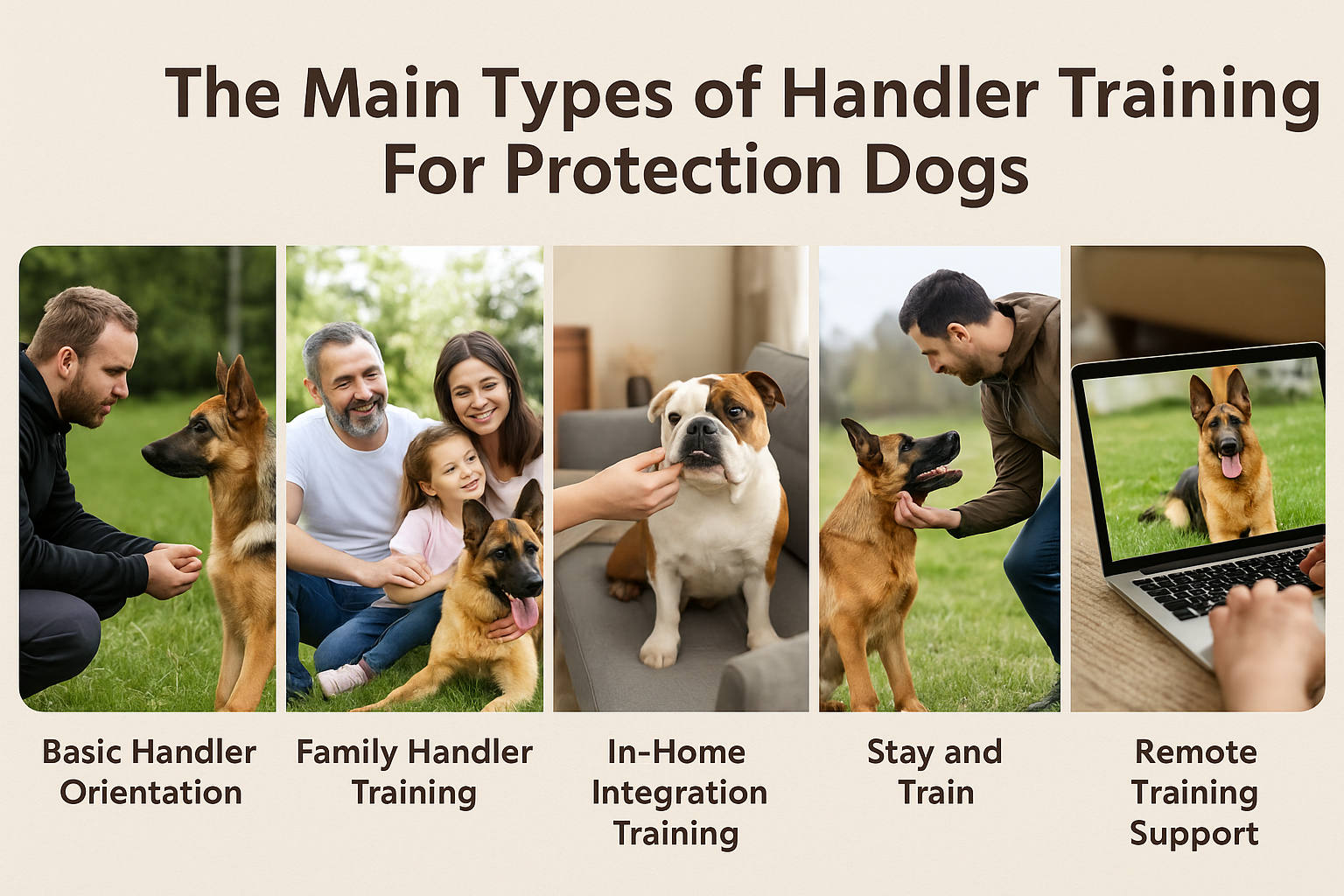
- 🧑🏫 You get full training through our Family Handler Program
- 📱 You can ask questions with Remote Support anytime
From the day you meet your dog to the day they retire, we’ve got your back 🐾💼
🧒 Is E-Collar Training Safe for Kids and Families?
Yes — as long as the adult is in control of the remote.
Younger children can help with:
- 🎯 Giving the release command
- 🎁 Rewarding the dog
- 👀 Watching for tail wags!
We teach the whole family how to use tools respectfully and safely. See our Family-Friendly Training Games to involve kids the fun way!
🚗 When Should I Use an E-Collar?
E-Collars are great for:
- 🐕🦺 Off-leash recall
- 🧍♂️ Walking in distractions
- 🏡 Boundary training
- 🚘 Car exits
- 🚨 Emergency commands (like stopping a run-away)
And remember — we also train our protection dogs for carjacking scenarios, home invasion drills, and public manners. Learn more here:
👉 https://protectiondogss.com/protection-dog-training/carjacking-scenario-training
👉 https://protectiondogss.com/protection-dog-training/home-invasion-drills
📖 E-Collar Safety Settings in a Nutshell
✅ Start LOW, go slow
✅ Use tone and vibration first
✅ Know your dog’s comfort level
✅ Lock your remote when not in use
✅ Always pair stimulation with praise or reward
✅ Keep sessions short and sweet
✅ Never use when angry ❌
🐶 Want a Dog That’s Already E-Collar Trained?
We’ve got you covered.
All of our protection dogs come trained with:
- ✅ E-Collar awareness
- ✅ Obedience structure
- ✅ Social skills for family life
Browse our trained companions here:
👉 https://protectiondogss.com/dogs-for-sale
Or get matched with a pup who fits your lifestyle:
👉 https://protectiondogss.com/services/dog-selection-evaluation
🧩 Related Posts You’ll Love
- Obedience Command Foundations
- Remote Collar Intro
- Proofing Under Distraction
- Balanced Training Explained
- Confidence Building for Puppies
❓FAQ E-Collar Safety Settings
1. Are E-Collars cruel?
Not at all, when used right! We train with the lowest level that the dog can feel calmly. Think of it like a tap on the shoulder.
2. What’s the best E-Collar brand?
We love Dogtra and E-Collar Technologies. Ask us for help choosing the right model.
3. Can I train a puppy with an E-Collar?
Yes, but gently! Start at 4–5 months and use tone/vibration first. See our Puppy Training Programs.
4. Will the E-Collar hurt my dog?
No, not if you use it correctly! Start at low levels and watch for calm awareness — not pain.
5. What if my dog is scared of the collar?
That means we need to rebuild trust. Use treats, play, and positive experiences. Contact us for help: In-Home Integration.
6. Can E-Collars work on stubborn dogs?
Yes! With structure, even the toughest dogs learn. Especially with clear expectations and patient follow-through 💪
7. Should I use stimulation every time?
No! Use it only when your dog truly needs help focusing. Less is more with smart training.
Want personalized support with E-Collar safety?
Visit https://protectiondogss.com/ where real protection meets real family life.
🐾💼 Let’s train with confidence, together!