Keeping Your Older Protection Dog Happy and Healthy 🐾
Your protection dog has always been there to guard your family and home. Now, as they’re getting older, it’s your turn to protect and care for them! Just like people, senior dogs need special attention to keep them healthy, comfortable, and active. At https://protectiondogss.com/, we’re here to help you understand everything about caring for your older protection dog.
🎯 Why Does My Senior Dog Need Special Care?
Senior dogs, usually aged 7 and above, start experiencing changes in their bodies. Just like humans, they may become slower, have joint pains, or even struggle with eyesight and hearing. Your furry friend has always protected you; now they depend on you to take care of them.
📆 Senior Dog Health Checklist
Here’s what you need to regularly check for your older dog:
| Health Check | Frequency | Why It’s Important |
|---|---|---|
| Vet visits 🩺 | Every 6 months | Regular check-ups catch issues early. |
| Dental care 🦷 | Monthly | Helps prevent tooth pain and infections. |
| Joint supplements 🦴 | Daily | Eases arthritis and joint pain. |
| Healthy diet 🍲 | Daily | Keeps weight under control and provides nutrition. |
| Exercise 🐕🦺 | Daily (gentle) | Keeps muscles strong without stressing joints. |
| Mental activities 🎾 | Daily | Keeps their brain sharp and happy. |
🩺 Frequent Vet Visits: The Key to Early Detection
Older dogs can develop health problems more quickly than younger dogs. Frequent vet visits every six months are essential. Your veterinarian will help catch issues like arthritis, heart problems, and diabetes early, ensuring your protection dog stays healthy longer.
🥦 Nutrition for Senior Dogs
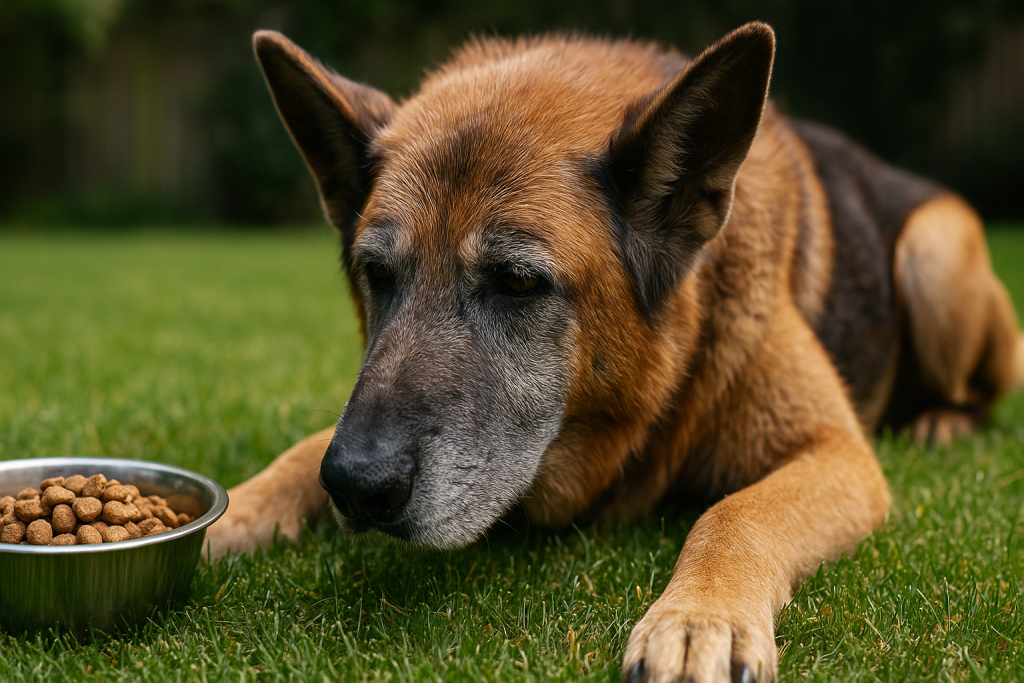
Proper nutrition is crucial for senior protection dogs. Feed your dog food specifically designed for older dogs, which typically has fewer calories, more fiber, and the right balance of vitamins and minerals.
- Look for:
- High-quality protein
- Omega-3 fatty acids for joint health
- Fiber for digestion
🦴 Joint Care and Supplements
Joint issues like arthritis are common in senior protection dogs. Supplements containing glucosamine and chondroitin can help keep joints flexible and reduce pain. Always consult your vet before starting any supplements.
🐕🦺 Exercise and Activity
Exercise keeps your dog’s muscles strong, but remember, older dogs need gentle activities:
- Short daily walks
- Gentle play in the yard
- Swimming (great for joints!)
At https://protectiondogss.com/services/consultation, our experts can provide tailored exercise advice for your senior protection dog.
🧠 Mental Health Matters
Mental health is just as important as physical health. Senior dogs benefit greatly from:
- Puzzle toys
- Gentle training
- Social interaction with family and calm pets
🦷 Dental Health
Older dogs often struggle with dental problems. Monthly teeth cleaning at home and regular vet check-ups can prevent serious health issues. Dental chews and special diets can also help maintain oral health.
👁️👂 Vision and Hearing
Changes in vision and hearing are common. Regular vet checks can detect these issues early. Make your home safe by:
- Keeping furniture arrangement stable
- Using nightlights to help them see better
- Gently alerting them to your presence
🛏️ Comfortable Living Conditions
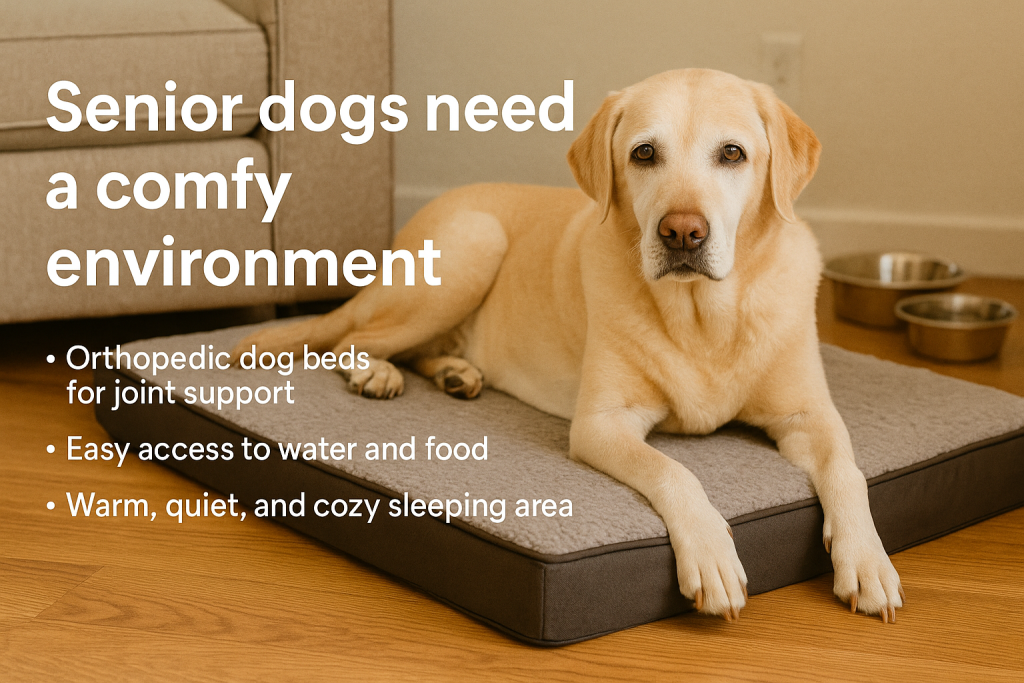
Senior dogs need a comfy environment:
- Orthopedic dog beds for joint support
- Easy access to water and food
- Warm, quiet, and cozy sleeping area
💊 Medication Management
Older protection dogs may require medications. Always follow your vet’s advice, keep medications organized, and set reminders to ensure your dog stays on schedule.
🌟 How https://protectiondogss.com/ Can Help
We understand how much your protection dog means to your family. Our team at https://protectiondogss.com/services/veterinary-coordination provides specialized assistance coordinating vet visits, managing health plans, and advising on nutrition and exercise routines. Let us support you in giving your senior protection dog the best golden years possible!
🙋 FAQs About Senior Dog Health
1. What age is considered senior for a dog?
Usually around 7 years old, but this varies by breed and size. Larger breeds age faster.
2. How often should my senior dog visit the vet?
Every 6 months for regular check-ups.
3. Can senior dogs still protect my home?
Yes, many older dogs maintain their protective instincts, but their physical abilities may be reduced.
4. How do I know if my senior dog is in pain?
Look for signs like limping, difficulty moving, changes in appetite, or unusual behavior.
5. Is exercise safe for my senior dog?
Yes, gentle daily exercise is beneficial, but avoid strenuous activities and consult your vet for advice.
Taking good care of your senior protection dog shows how much you appreciate all they’ve done for your family. With proper care, nutrition, and regular vet visits, your furry friend will enjoy a comfortable, happy, and healthy senior life.
Remember, at https://protectiondogss.com/, we’re always here to help you provide the best care for your loyal protector! 🐕💕