🐶 Should You Neuter Your Protection Dog?
Neutering (for males) and spaying (for females) are common decisions dog owners face, but for protection dogs, the choice becomes even more important. These dogs aren’t just pets, they’re highly trained family guardians, security partners, and loyal companions.
Now, we’ll learn how neutering affects your protection dog’s health, behavior, energy, and long-term performance. We’ll also show you how https://protectiondogss.com/ can help you make the best health decisions for your loyal guardian 💪.
🧠 What Is Neutering, Really?
Neutering is a surgery that removes the testicles of male dogs, making them unable to reproduce. For females, it’s called spaying, where the ovaries and usually the uterus are removed.
It sounds simple, but it has big effects on your dog’s body and mind—especially for working dogs like protection breeds.
📋 Pros and Cons of Neutering for Protection Dogs
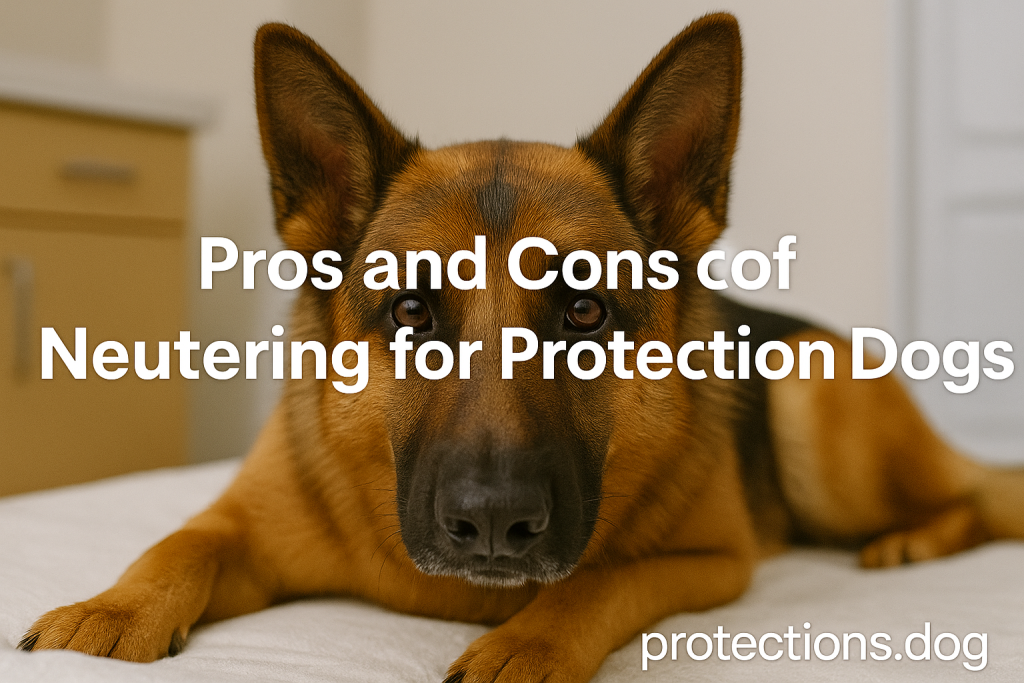
Let’s look at the big picture:
| 🧩 Factor | ✅ Pros of Neutering | ❌ Cons of Neutering |
|---|---|---|
| Aggression & Dominance | May reduce hormone-driven fights 💥 | Could lower confidence needed for protection 💂♂️ |
| Roaming Behavior | Dogs stay closer to home 🏠 | – |
| Cancer Prevention | Less chance of testicular or ovarian cancer 🎯 | Possible higher risk of other cancers (like bone) 🧬 |
| Unwanted Litters | No surprise puppies 🐾 | – |
| Weight Gain | – | Metabolism slows down—need careful feeding 🍽️ |
| Drive & Focus | Less distraction from other dogs 🐕🦺 | Some dogs lose motivation in work tasks 😴 |
Every dog is different. And every home has its own goals. That’s why at https://protectiondogss.com, we work with you to decide what’s best for YOUR unique protection dog.
⏳ When Is the Right Time to Neuter?
Age matters a LOT! Here’s why:
- Under 6 months old: Too early for protection dogs ❌
Muscles, bones, and mental maturity aren’t developed yet. - 6 to 12 months: Still developing
Breeds like Belgian Malinois or German Shepherds need more time. - 12 to 24 months: Considered ideal for most protection dogs ✅
By now, growth plates close and the body stabilizes.
⚠️ Delaying neutering often supports stronger joints, growth, and behavior stability in large working breeds.
Want help timing it right? Our team at https://protectiondogss.com/contact can guide you based on your dog’s age, breed, and training stage.
🧬 Health Effects: The Science Behind It
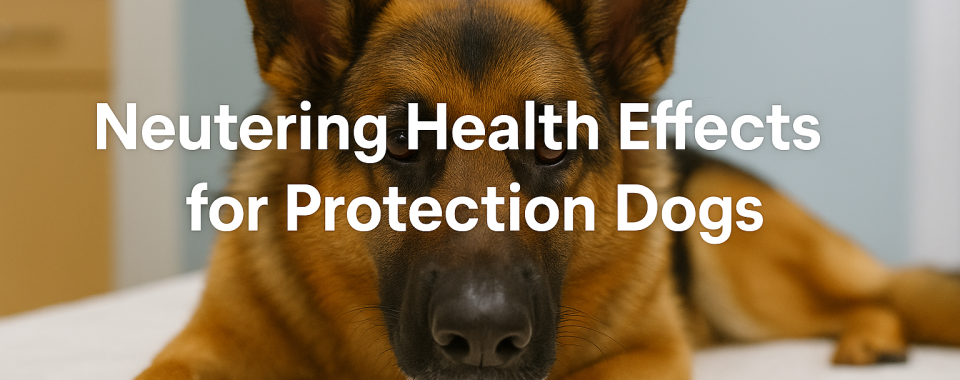
Neutering affects hormone production, especially testosterone in males and estrogen/progesterone in females. These hormones play HUGE roles in:
- 🦴 Bone development
- 🧠 Confidence & drive
- 🔁 Reproductive organ health
- 🔥 Metabolism rate
Possible Health Benefits of Neutering:
- Lower risk of testicular cancer
- Less chance of prostate infections
- Reduced risk of uterine infections in females
- Decrease in hormone-related tumors
Potential Health Concerns:
- Joint issues (like hip dysplasia) if neutered too early
- Increased chance of osteosarcoma (bone cancer)
- Higher risk of obesity due to lower metabolism
- Some studies show links to urinary incontinence in spayed females
That’s why choosing the right time to neuter your protection dog is more important than just doing it early.
🐕 Behavior Changes After Neutering
Neutering often changes how dogs behave, but not always in the way people think.
Here’s what usually happens:
- ✅ Less marking of territory (especially indoors!)
- ✅ Less mounting behavior
- ✅ Lower reactivity to other male dogs
- ❌ Possible drop in alertness or drive (in some working breeds)
- ❌ More mellow or less assertive behavior
⚠️ This can be a concern for protection dogs, who rely on confidence and territorial instincts. Neutering can sometimes “soften” their working style, especially in early age.
At https://protectiondogss.com, we test each dog’s temperament and drive to predict how neutering might impact them. We also provide training refresh services if needed after neutering: Training Refresh Program
🐾 Breed-Specific Considerations
Some protection breeds are more affected by neutering than others.
| 🐶 Breed | Neutering Notes |
|---|---|
| German Shepherd | Delay until 18–24 months to reduce hip issues. |
| Belgian Malinois | Better working drive if left intact longer. |
| Doberman | Prone to bone cancer—timing is crucial. |
| Rottweiler | High risk of orthopedic problems if neutered early. |
| Cane Corso | Slower maturing breed—neuter after 18 months. |
| Giant Schnauzer | Needs drive—may lose edge if neutered too soon. |
You can also explore detailed breed pages here:
👉 German Shepherds
👉 Belgian Malinois
👉 Dobermans
👉 Rottweilers
👉 Cane Corsos
🏋️ Neutering & Protection Work Performance
Will neutering ruin your dog’s protection ability? Not necessarily, but it can affect:
- 🔋 Energy levels
- 🔥 Drive for the work
- 🧍♂️ Dominant stance and posture
- 🧠 Alertness in threat detection
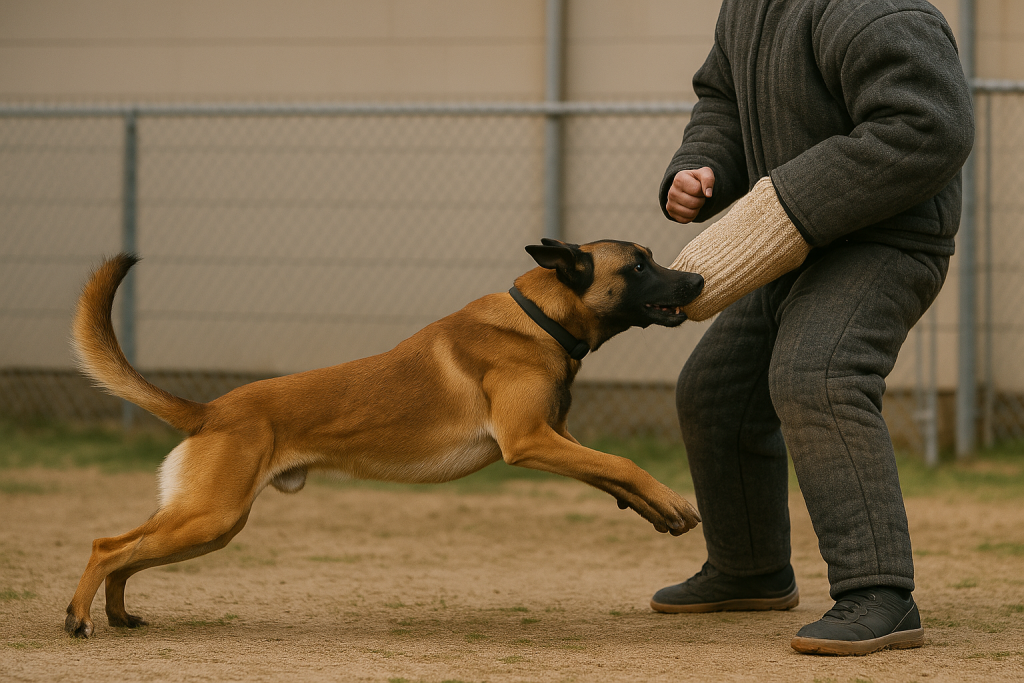
That’s why some executive protection and estate protection dogs are kept intact until their training is complete:
👉 Executive Protection Dogs
👉 Estate Guardian Dogs
Neutering after full training ensures your dog keeps its natural working instincts intact.
🧘 Recovery After Neutering: What to Expect
If you decide to neuter, post-op care is vital.
Here’s a recovery checklist:
- 🛌 Rest for 7–10 days
- ⛑️ Use an e-collar to prevent licking stitches
- 🧊 Keep area clean and dry
- 🧪 Watch for swelling or discharge
- 🍽️ Feed lighter meals if there’s nausea
- 🧼 Keep activity low—no jumping!
Need extra help during recovery? Our Veterinary Coordination Service makes sure your dog has top-tier care at home. Learn more: Veterinary Coordination
🧠 Should You Neuter or Not? Our Advice:
There’s no one-size-fits-all answer. But here are general guidelines:
- ❌ Don’t neuter a protection dog under 1 year old (unless for medical emergency)
- ✅ Wait until full physical maturity (12–24 months depending on breed)
- ✅ Evaluate working goals: family companion vs. high-alert guardian
- ✅ Talk to professionals (like our team!) who understand protection work
At https://protectiondogss.com, we offer:
- Personalized health planning
- Breed and temperament assessments
- Training adjustment packages
- Full consultations before AND after surgery
FAQs About Neutering & Protection Dogs
Does neutering affect a dog’s ability to protect?
It can slightly reduce alertness or drive if done too early. But many neutered dogs still perform protection tasks very well.
What’s the best age to neuter my protection dog?
Usually between 18–24 months, depending on breed and maturity. Early neutering is not recommended for working breeds.
Will my dog become lazy or fat after neutering?
Not if you manage food and exercise! Neutered dogs burn fewer calories but stay fit with proper care.
Is neutering painful for dogs?
The surgery is done under anesthesia. Most dogs recover quickly within a week with minimal discomfort.
Can I wait until my dog finishes training before neutering?
Yes! That’s often recommended for elite protection dogs. We help you time it right for best results.
🏁 Your Dog, Your Decision 🐕❤️
Neutering is a big decision, especially for powerful, intelligent protection dogs. It affects health, hormones, behavior, and training outcomes. But it’s NOT something you have to decide alone.
At https://protectiondogss.com, we guide families and handlers through every health decision, from puppyhood to adulthood, and beyond.
➡️ Need help deciding? We’re just a click away.
Start with a consultation: https://protectiondogss.com/contact
Your dog protects you every day. Let us help you protect them 🛡️🐾