Keep Your K9 Strong & Happy!
When it comes to your protection dog’s health, we often think about training, exercise, and nutrition first. But there’s one critical area that’s often overlooked 🛑 urinary health! A healthy bladder and urinary tract keep your pup active, pain-free, and alert for duty 🐶💪.
Whether your protection dog is a fierce German Shepherd or a loyal Belgian Malinois, keeping their urinary system in check is essential for long-term wellbeing and peak performance. Now, we’ll teach you clear, and powerful ways to protect your furry hero from urinary problems.
🌟 Why Urinary Health Matters for Protection Dogs?
A healthy urinary system helps your dog:
- Stay comfortable and happy 😊
- Avoid nasty infections 🧫
- Focus on their protection duties 🦴
- Maintain hydration and organ health 💧
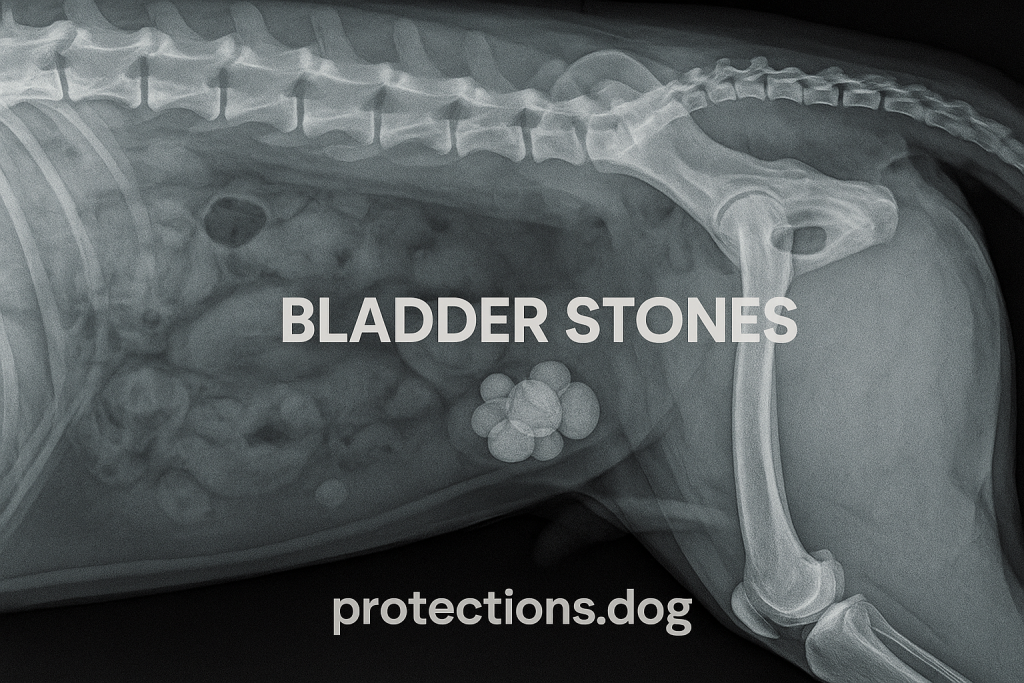
If left unchecked, urinary issues can cause:
- Pain and discomfort 😢
- Loss of bladder control 🚫
- Kidney damage 🚨
- Behavior changes due to stress or pain
- Infections that spread to other organs
A protection dog isn’t just a pet, they’re a trained guardian, athlete, and partner. Their ability to perform depends heavily on their overall health, and the urinary system plays a big role.
🧬 Understanding Your Dog’s Urinary System
Let’s break it down simply:
- Kidneys: Filter waste from the blood and produce urine
- Ureters: Carry urine from kidneys to the bladder
- Bladder: Stores urine until it’s ready to be released
- Urethra: Tube that lets urine leave the body
When any part of this system has a problem, your dog may feel pain, urinate too often, or not enough, and show signs of distress.
📋 Common Urinary Problems & Symptoms in Dogs
| Problem | Symptoms | Risk Level | Needs Vet Help? |
|---|---|---|---|
| UTI (Urinary Tract Infection) | Peeing frequently, blood in urine, straining to pee | Medium to High | ✅ Yes |
| Bladder Stones | Painful urination, bloody urine, licking genitals | High | ✅ Yes |
| Kidney Infection | Vomiting, fever, tiredness, bad-smelling pee | High | ✅ Yes |
| Incontinence | Peeing while asleep or at rest | Medium | ⚠️ Sometimes |
| Crystals in Urine | Cloudy pee, discomfort, frequent urination | Medium | ✅ Yes |
| Prostate Problems (Males) | Trouble peeing, straining, accidents | High | ✅ Yes |
🧪 Signs Your Protection Dog May Have a Urinary Issue
Look out for these warning signs 🚨:
- Peeing more or less than usual
- Accidents in the house (even if trained)
- Blood or strange color in urine
- Licking private areas a lot
- Whining when urinating
- Loss of appetite or energy
- Frequent squatting or leg lifting with little urine
If you see any of these signs, it’s time to call the vet. Better safe than sorry! 🩺
🥤 Tip #1: Keep Them Hydrated!
Water is the first line of defense 💧
Protection dogs need LOTS of water to flush out their system and prevent bacteria buildup. Here’s how to help:
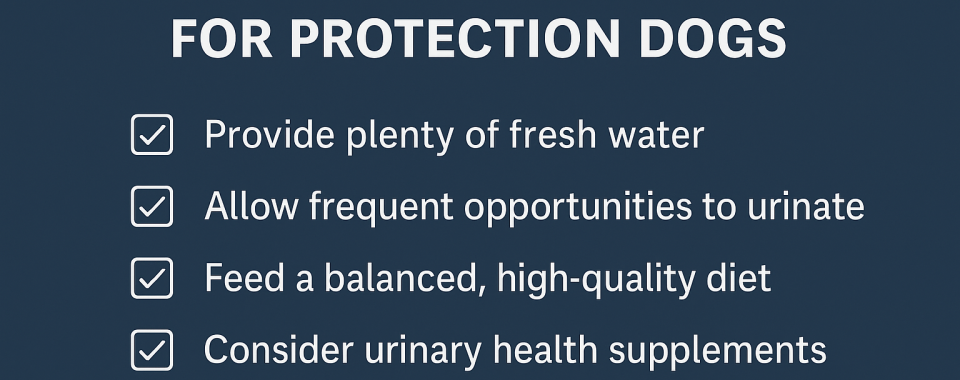
- Provide clean, fresh water 24/7
- Use a pet water fountain to encourage drinking
- Add water to kibble if your dog eats dry food
- Bring a water bottle and bowl on walks or training days
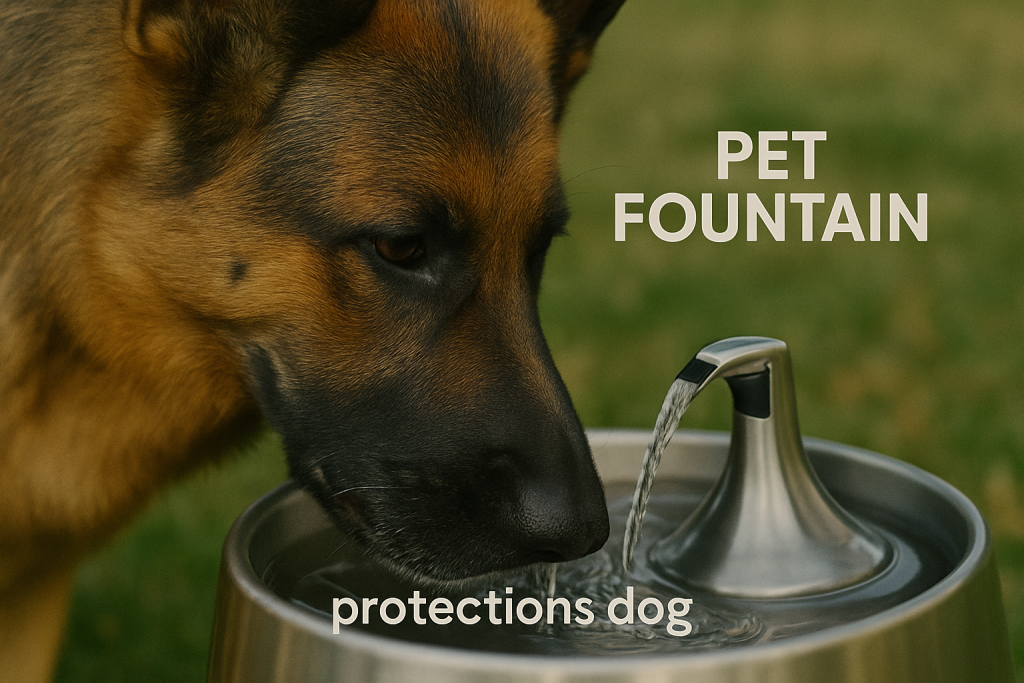
Dogs should drink about 1 ounce of water per pound of body weight daily. So a 70 lb German Shepherd needs around 70 oz of water a day!
🥩 Tip #2: Focus on a High-Quality Diet
Food plays a big part in keeping urine healthy. Low-quality food can cause crystals, pH imbalances, and poor kidney function.
What to feed:
- Balanced raw diets (consult your vet first!)
- High-moisture canned food
- Premium kibble with low ash and low magnesium
- Cranberry supplements (with vet approval)
- Avoid too much protein unless your dog is super active
Check out our guide on raw feed considerations for more feeding advice!
🧼 Tip #3: Hygiene Matters – Keep Their Bits Clean!
Dirt and bacteria can sneak into the urethra and cause infections 😷
Especially for females or dogs with thick fur, make sure you:
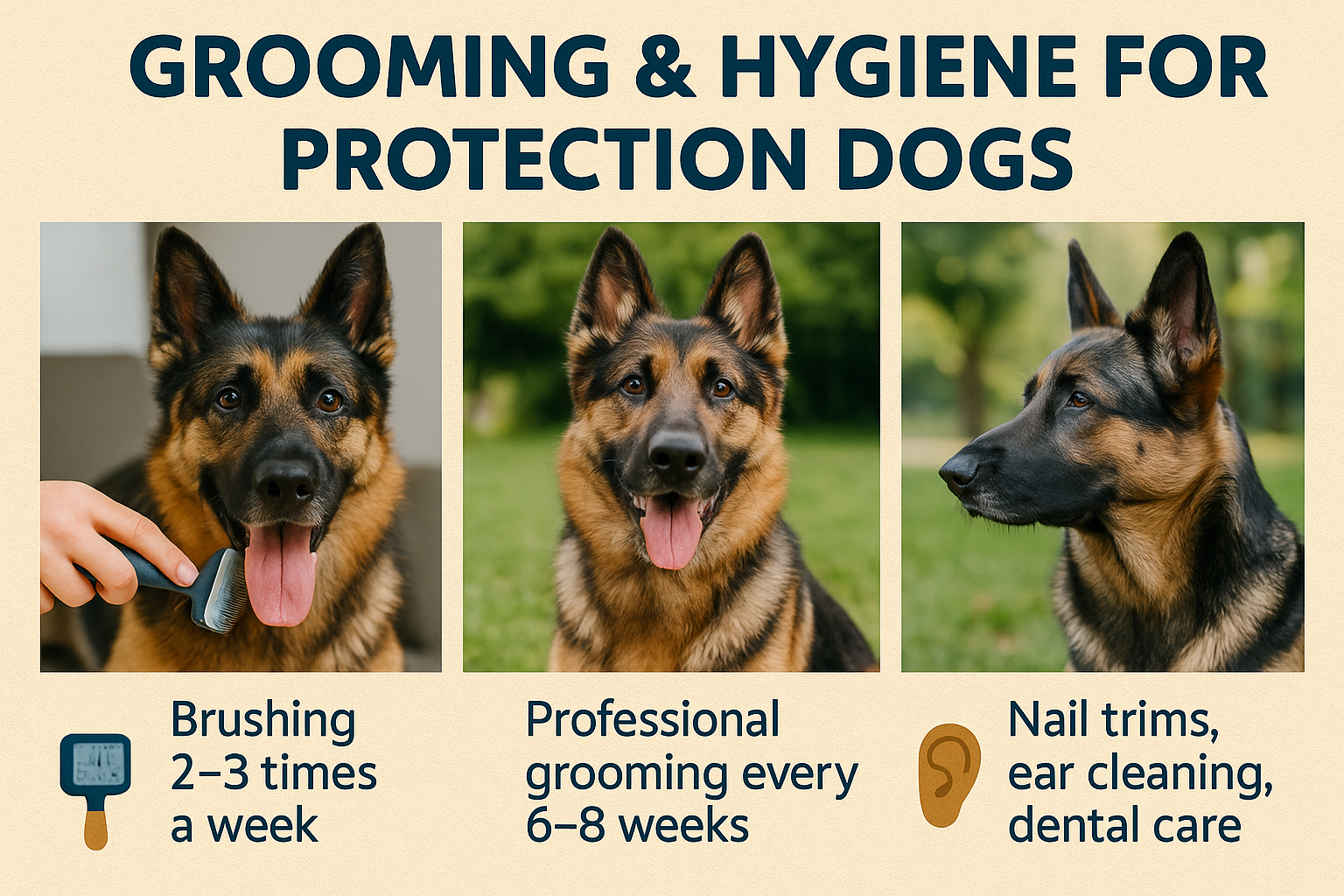
- Trim hair around the genital area ✂️
- Wipe with vet-approved wipes after outdoor play
- Clean bedding often 🧺
Clean dog = clean bladder!
🐕 Tip #4: Regular Bathroom Breaks
“Hold it!” isn’t good for urinary health.
Holding pee for too long can stretch the bladder and let bacteria grow. Take your dog out:
- Every 4–6 hours at least (puppies need more!)
- After play or training
- Before bed
Don’t forget this if you live in the city! Check our urban living tips for apartment-friendly routines.
💊 Tip #5: Supplements That Support Urinary Health
Here are vet-recommended extras:
| Supplement | What It Does | Safe For Daily Use? |
|---|---|---|
| Cranberry Extract | Prevents bacteria sticking to bladder walls | ✅ Yes |
| D-Mannose | Flushes E. coli bacteria | ✅ Yes |
| Probiotics | Supports immune and gut balance | ✅ Yes |
| Omega-3 | Reduces inflammation in kidneys | ✅ Yes |
| Marshmallow Root | Soothes urinary tract | ⚠️ Vet advice needed |
Our gut health guide explains why probiotics are a game-changer for your dog’s whole system!
🧑⚕️ Tip #6: Annual Vet Checkups (And Urine Tests!)
Even if your dog looks healthy, silent problems may be brewing.
Ask your vet for:
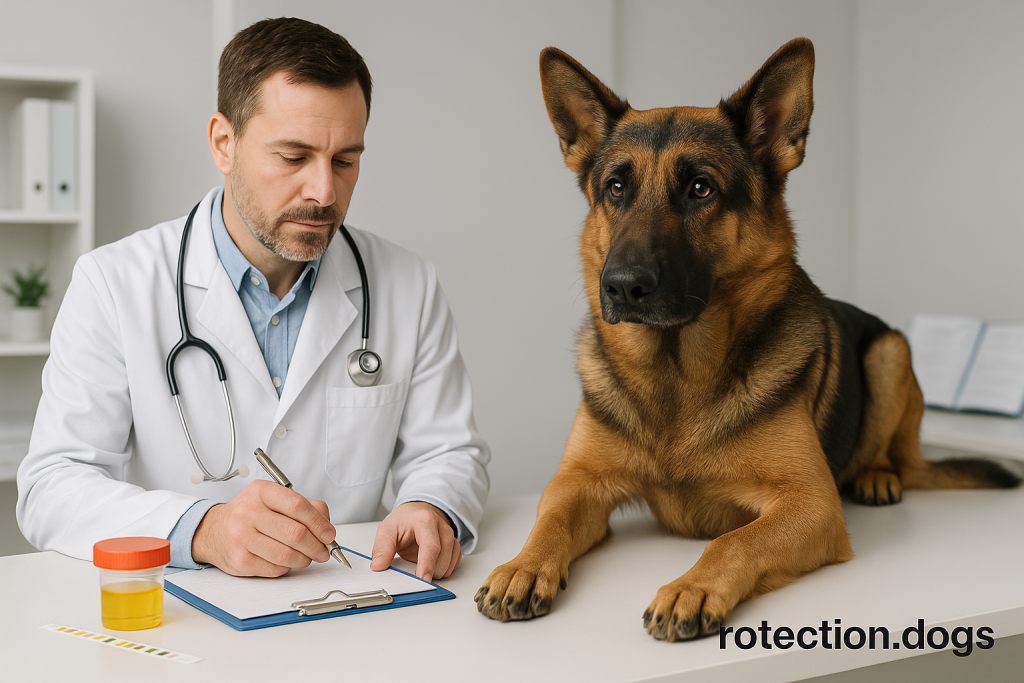
- Urinalysis (checks pH, crystals, bacteria)
- Blood tests (to check kidney values)
- Ultrasound (if symptoms are serious)
Want expert help with health assessments? Visit https://protectiondogss.com/contact and we’ll walk you through your options.
🧴 Tip #7: Prevent & Monitor Infections
Urinary tract infections (UTIs) can become serious fast!
To avoid them:
- Keep your dog clean
- Make sure they pee regularly
- Watch for symptoms early
- Avoid letting them drink from dirty puddles or lakes
Our first-aid basics page helps you prepare for common emergencies like UTIs too.
🧠 Mental Health Affects Physical Health!
A stressed or anxious dog might avoid drinking or holding their pee, leading to infections or kidney strain.
Keep your dog’s mind sharp and happy with:
- Mental stimulation games
- Training refreshers
- Calm rest areas at home
- Bonding time with you 🐾
🐾 How We Can Help
We aren’t just trainers, we’re full-service health and lifestyle advisors for protection dogs across the USA 🇺🇸.
Here’s how we support your dog’s urinary health:
- In-home health evaluations
- Custom wellness plans
- Safe and effective supplements
- Veterinary coordination
- Nutrition consultations
- Boarding that respects bathroom schedules
Your dog is our mission. 💙
🧠 FAQs
What causes urinary infections in dogs?
Bacteria is the #1 cause, often from the environment or poor hygiene. Female dogs are more prone due to their anatomy.
Can diet affect urinary health?
Yes! Low-quality or overly processed food can cause pH imbalance, bladder stones, or kidney strain.
How much water should my protection dog drink daily?
About 1 oz of water per pound of body weight. A 70 lb dog needs 70 oz daily.
Are there natural remedies for urinary tract health?
Cranberry, D-mannose, and probiotics can help prevent infections naturally—but always ask your vet first.
Should I be worried if my dog is peeing more than usual?
Yes. This could be a sign of a UTI, bladder stone, diabetes, or kidney issue. Call your vet.
Can protection dogs hold their pee longer than other dogs?
They can, but it’s not good for them. Regular breaks every 4–6 hours are essential for urinary health.
Are certain breeds more prone to urinary issues?
Yes. Breeds like German Shepherds, Dobermans, and [Labradors] often deal with bladder infections or kidney issues.
How can I prevent bladder stones?
Feed low-ash, balanced food and encourage hydration. Vet checkups can catch issues early.
Is urinary incontinence treatable?
In many cases, yes—with medication, supplements, or lifestyle changes.
Can anxiety cause urinary problems?
Yes. Stress can impact bathroom behavior, leading to UTIs or accidents.
By taking simple daily steps, you can give your protection dog the healthy, pain-free life they deserve! 🐾
Need expert help? Visit https://protectiondogss.com/ today and keep your loyal companion strong from nose to tail 💙