When it comes to elite protection dogs, nutrition is not just about filling a bowl. These dogs are guardians of VIPs, estates, executives, and wealthy families. They work under pressure, require focus, and must remain in peak physical condition at all times. The quality of food they eat directly affects their performance, stamina, and longevity.
But how do you know if a bag of kibble or a can of food truly delivers what your dog needs? The answer lies in understanding dog food labels. These labels are often filled with marketing terms, small print, and confusing percentages. Yet, once you learn how to decode them, you gain the power to choose only the best for your elite canine partner.
At Topcha K9, we specialize in guiding families through this process. Our expertise ensures that your protection dog’s meals are not just “good enough” but perfectly tailored to their demanding role.
Why Food Labels Matter More for Protection Dogs
Food labels are legal documents, regulated and designed to inform. Still, they can be misleading if you don’t know what to look for. For an ordinary pet, a minor imbalance may go unnoticed. But for a protection dog, even small nutritional mistakes can have serious consequences:
- Loss of strength during training or real-life protection work
- Weaker immune response leading to illness
- Slower recovery times after intense activity
- Behavioral issues like reduced focus or irritability
- Shorter working career due to health decline
Families who invest in a bespoke guardian must also invest in the right nutrition. Reading labels is the first step toward protecting your protector.
The Required Elements of a Dog Food Label
Every dog food product must include specific details. Although formats differ across regions, the essentials are the same:
- Brand and Product Name
- Net Weight
- Ingredient List
- Guaranteed Analysis
- Nutritional Adequacy Statement (AAFCO or FEDIAF)
- Feeding Guidelines
- Manufacturer’s Information
Let’s explore each section and how it affects your protection dog’s nutrition.
Product Names and What They Reveal
The product name often gives the first clue about food quality. Regulations dictate how much of an ingredient must be present for the name to be used.
- “Beef Dog Food” – At least 70% beef (including water).
- “Beef Dinner,” “Entrée,” or “Formula” – At least 25% beef.
- “With Beef” – Only 3% beef required.
- “Beef Flavor” – No real beef needed, only flavoring.
For protection dogs, always prefer foods where the main ingredient is clearly named and listed at high percentages. A label saying “with chicken” may sound appealing, but it only guarantees trace amounts.
Ingredient List: Where Quality Shows
Ingredients are listed by weight before cooking. This means that fresh meats appear high on the list, but because they contain water, their true protein contribution may be lower than expected.
Essential Ingredients for Protection Dogs
- Named Meat Proteins – Chicken, beef, lamb, salmon, duck.
- Meat Meals – Chicken meal, fish meal (highly concentrated protein).
- Healthy Carbohydrates – Brown rice, oats, sweet potatoes for steady energy.
- Quality Fats – Chicken fat, fish oil, flaxseed oil for sustained energy and coat health.
- Functional Additives – Probiotics, chelated minerals, glucosamine for joint support.
Ingredients to Avoid
- Unspecified By-Products – “Meat meal,” “animal fat,” which may include low-quality parts.
- Artificial Additives – Colors, BHA, BHT, ethoxyquin.
- Cheap Fillers – Corn gluten meal, wheat middlings, soy protein isolate.
Guaranteed Analysis
This section is crucial. It lists minimum and maximum percentages of nutrients such as protein, fat, fiber, and moisture.
Ideal Guaranteed Analysis for Protection Dogs
| Nutrient | Recommended Range | Why It Matters |
|---|---|---|
| Protein | 25-35% | Builds muscle, supports endurance, speeds recovery |
| Fat | 12-20% | Primary energy source for focus and stamina |
| Fiber | 3-5% | Supports digestion and nutrient absorption |
| Moisture | Up to 10% (dry food) | Ensures texture and freshness |
High-quality protection dog food will stay within these ranges.
Nutritional Adequacy Statement
Every label must declare whether the food is “complete and balanced” and for which life stage. Common categories include:
- Growth (puppies)
- Maintenance (adult dogs)
- All Life Stages
- Supplemental Feeding Only
A protection dog should never be fed food marked “supplemental only.”
Feeding Guidelines – Why They’re Not Enough
Feeding charts on labels are based on average pets, not working dogs. A 90-pound German Shepherd running estate patrols needs more calories than a couch companion.
At Topcha K9, we create custom feeding programs by calculating:
- Weight and body condition
- Energy expenditure during training
- Age and metabolic rate
- Special health needs
This ensures precise fueling for daily performance.
Marketing Terms and Their Real Meaning
Dog food labels often use attractive words that lack strict definitions:
- “Natural” – Means no artificial colors or preservatives, but still may be low quality.
- “Organic” – Must meet USDA or EU standards; better, but not automatically superior.
- “Holistic” or “Premium” – Marketing only, no legal meaning.
- “Grain-Free” – Useful for allergies, but not always healthier.
Topcha K9 helps families see past these claims to focus on what truly matters.
Special Claims for Elite Protection Dogs
Some labels highlight added benefits. Look closely at dosage and source.
- Joint Support – Look for glucosamine/chondroitin listed with exact mg/kg.
- Skin & Coat Health – Fish oil or flaxseed should appear in the first half of ingredients.
- High Protein – Ensure protein comes from real meats, not peas or lentils.
Label Tricks to Watch Out For
Food companies often use clever tactics to make formulas look better.
- Ingredient Splitting – Listing “corn,” “corn gluten,” and “ground corn” separately to push them down the list.
- Exotic Proteins – Venison, kangaroo, or bison may sound elite, but without balance, they lack complete nutrition.
- Vet-Recommended Claims – Any one vet can endorse it, with no formal review required.
Topcha K9: Taking the Guesswork Out of Labels
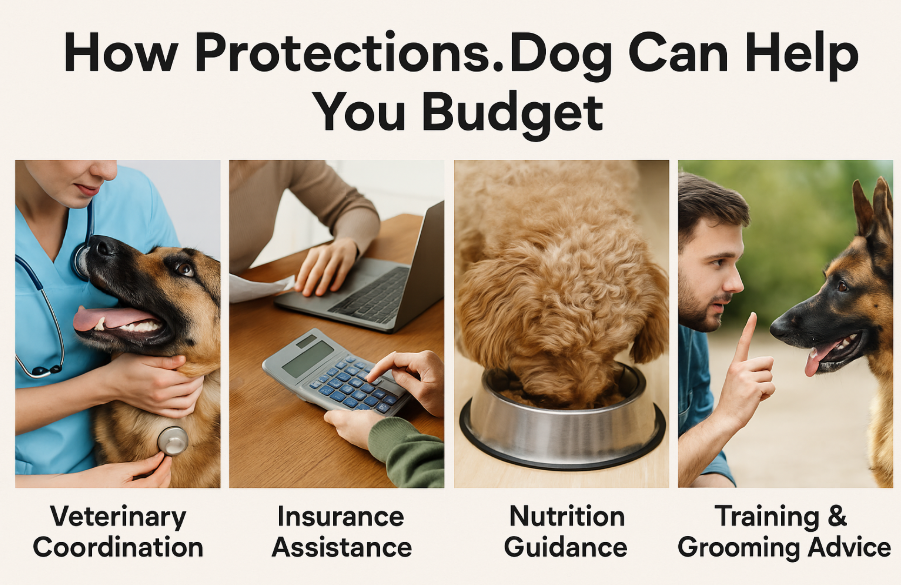
For VIPs and wealthy families, time is precious. At Topcha K9, we offer a bespoke nutrition advisory service:
- Full review of your dog’s current diet
- Clear breakdown of label accuracy
- Tailored recommendations for better alternatives
- Exclusive access to premium-grade food sources
- Ongoing monitoring to adjust nutrition as needs evolve
We do the decoding, so your dog always receives the very best.
Comparing Two Example Foods
| Feature | Food A: “With Chicken Dinner” | Food B: “Chicken & Rice Dog Food” |
|---|---|---|
| Protein | 22% | 28% |
| Fat | 9% | 15% |
| First Ingredient | Corn meal | Chicken |
| Label Rule | Only 3% chicken required | 70% chicken including water |
| Suitability for Protection Dog | Poor | Excellent |
This table shows how a simple label difference can dramatically change food quality.
Advanced Label Reading for High-Value Canine Guardians
Beyond basics, here are deeper insights that Topcha K9 evaluates for clients:
- Ash Content – Indicates mineral levels; excess can strain kidneys.
- Carbohydrate Sources – Look for complex carbs, not sugary fillers.
- Specificity – “Chicken fat” is better than “animal fat.”
- Country of Origin – Premium standards vary; EU and U.S. stricter than some imports.
How Topcha K9 Designs a Nutrition Plan
Our process includes:
- Initial Consultation – Assess your family’s lifestyle, estate, and dog’s role.
- Label Audit – Review every product you currently use.
- Performance Alignment – Match caloric intake to activity levels.
- Bespoke Recommendations – Suggest elite-grade formulas or custom sourcing.
- Ongoing Monitoring – Quarterly reviews to adapt as your dog ages or changes roles.
Frequently Asked Questions
How can I tell if a food is high-protein?
Look at the guaranteed analysis. For protection dogs, aim for 25–35% protein from named meats or meals.
Should I always choose grain-free food?
Not necessarily. Whole grains like oats and brown rice are excellent energy sources unless allergies are present.
How do I know if the glucosamine amount is enough?
Check for mg/kg on the label. Protection dogs benefit from at least 400–500 mg per day depending on weight.
Why do formulas change without warning?
Companies may reformulate to reduce costs. This is why Topcha K9 reviews labels regularly for our clients.
Can Topcha K9 source exclusive diets for my estate dog?
Yes. We work with premium suppliers and can design bespoke feeding strategies unavailable to the general market.
Do feeding guidelines on labels work for protection dogs?
No. They are designed for average pets. Protection dogs need customized amounts based on activity, which Topcha K9 provides.
Reading dog food labels can feel overwhelming, especially with misleading claims and confusing ingredient lists. Yet, for families who rely on elite protection dogs, this knowledge is essential.
With Topcha K9, you don’t have to decode labels alone. We simplify the process, evaluate every product with expert precision, and design a nutrition plan that keeps your guardian in peak condition.
Your protection dog is more than a pet. They are your family’s shield, your estate’s guardian, and your trusted partner. Their nutrition should reflect that. And with Topcha K9, it always will.