Traveling with a protection dog requires more than simply packing a leash and food bowl. These elite canine guardians are vital assets for VIPs, executives, private families, and estate owners, and their nutrition must remain consistent even while on the road. A poorly managed diet during travel can lead to stress, illness, or diminished performance, risks that no high-value family should take.
Now, we’ll explore strategies for feeding protection dogs during travel, from selecting the right food and storage methods to maintaining hydration, managing feeding schedules, and preventing health issues. We’ll also show how Topcha K9 provides bespoke nutrition and travel planning services for families who demand discretion, reliability, and premium care for their canine protectors.
Why Travel Nutrition Matters for Protection Dogs
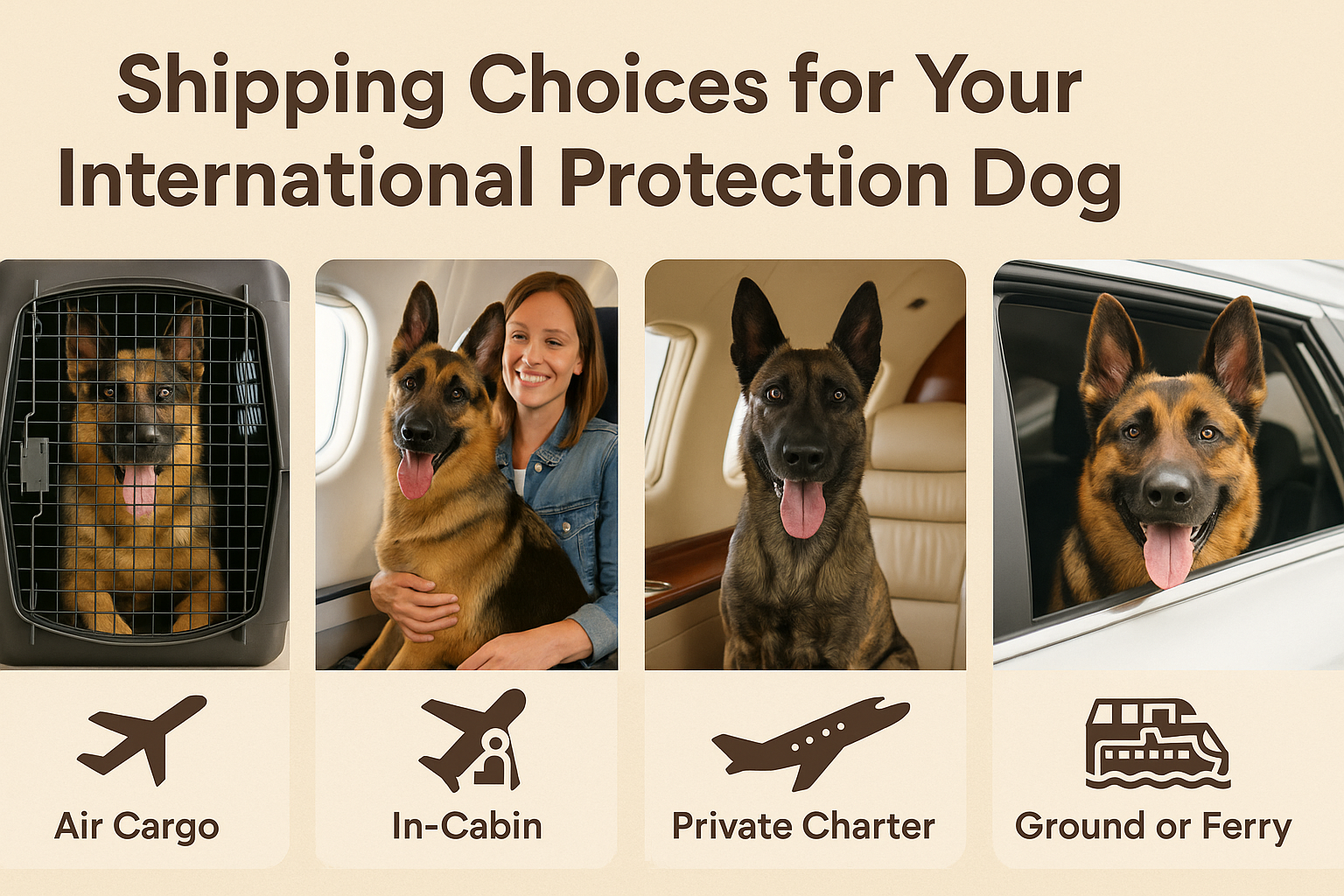
Protection dogs are not average pets. They undergo rigorous training, require specialized nutrition, and serve critical roles. When traveling, whether by private jet, yacht, car, or international flight, their feeding must remain structured.
Key reasons nutrition consistency matters on the road:
- Performance Maintenance – Dogs must remain alert and strong in new environments.
- Digestive Health – Sudden food changes can trigger stomach upset.
- Hydration Balance – Travel often causes dehydration if not managed.
- Stress Reduction – Familiar feeding routines calm anxious dogs.
- Safety Assurance – Proper nutrition prevents fatigue during protection duties.
Common Challenges of Feeding Dogs During Travel
Families often underestimate the complexity of traveling with canine guardians. Topcha K9 has identified the most common feeding challenges:
- Access to Trusted Food Brands – Availability may differ in foreign locations.
- Storage Limitations – Fresh foods may spoil without proper storage.
- Irregular Feeding Times – Long flights or time zones disrupt normal schedules.
- Digestive Upset – New environments or sudden diet changes cause diarrhea or bloating.
- Hydration Management – Stress and travel often reduce water intake.
- Customs Restrictions – Some countries restrict raw food imports.
The Topcha K9 Solution: Travel Feeding Strategies
At Topcha K9, we specialize in ensuring that protection dogs travel with the same precision and care they receive at home. We design bespoke feeding systems that balance performance, safety, and convenience.
Our strategies include:
- Pre-Packaged Meal Prep tailored to each day of travel.
- Shelf-Stable Alternatives for international trips.
- Hydration Management Plans to combat dehydration.
- Custom Treat Protocols to maintain obedience in new environments.
- Discreet Consulting for VIP and executive families.
Food Options for Traveling Protection Dogs
1. Kibble (Dry Food)
- Pros: Easy to pack, long shelf life, lightweight.
- Cons: May not match fresh food quality, requires portion control.
- Best Use: Short trips, car travel, flights with limited storage.
2. Freeze-Dried or Dehydrated Food
- Pros: Lightweight, rehydrates easily, nutrient-dense.
- Cons: More expensive, requires water.
- Best Use: Private jet or yacht travel, international trips.
3. Pre-Portioned Fresh Meals
- Pros: Mimics home feeding routine, highly nutritious.
- Cons: Requires refrigeration or freezer.
- Best Use: Estate-to-estate car travel, private travel with storage.
4. Homemade Treats
- Pros: Healthy, familiar, low-cost.
- Cons: Short shelf life, needs preparation.
- Best Use: Training reinforcement during long journeys.
Travel Feeding Equipment Checklist
Families should prepare a travel kit for feeding protection dogs:
- Airtight storage containers
- Portable collapsible bowls
- Freezer packs or travel coolers
- Pre-measured serving bags
- Water filtration bottles
- Spill-proof water containers
- Travel supplements pack
Managing Feeding Schedules on the Road
Consistency is key. Protection dogs thrive on routine, and even during travel, feeding schedules must remain steady.
Practical Schedule Tips
- Stick to Home Timings: Feed at the same times as usual, regardless of time zone.
- Light Meals Before Travel: Avoid heavy feeding before flights or long drives to reduce motion sickness.
- Hydration Breaks Every 2-3 Hours: Ensure dogs drink small amounts regularly.
- Post-Arrival Adjustment: Resume normal schedule immediately at the destination.
Hydration: The Overlooked Factor
Hydration is often more important than food during travel. Protection dogs lose fluids through stress panting, climate changes, and exertion.
Hydration Strategies
- Carry bottled or filtered water to avoid contamination.
- Add electrolyte supplements (vet-approved) for long journeys.
- Offer ice cubes as hydration in hot climates.
- Avoid sugary flavored waters.
Table: Best Food Storage Options for Travel
| Storage Method | Best For | Pros | Cons |
|---|---|---|---|
| Airtight Containers | Kibble | Prevents spills, long-lasting | Bulky for flights |
| Vacuum-Sealed Bags | Freeze-dried food | Lightweight, portioned | Needs water |
| Travel Cooler | Fresh meals | Maintains freshness | Requires ice or power |
| Portable Food Pouches | Short snacks | Easy, compact | Limited size |
Preventing Digestive Issues During Travel
Digestive upset is the #1 issue in traveling protection dogs. To prevent it:
- Do not switch brands suddenly. Bring familiar food.
- Pack probiotics (yogurt, kefir, or capsules).
- Avoid feeding table scraps while abroad.
- Provide calm feeding areas away from crowds or noise.
Special Considerations for Different Travel Types
Car Travel
- Feed light meals before departure.
- Offer water breaks at rest stops.
- Store food in cool, shaded areas.
Air Travel (Private Jet or Commercial)
- Carry vacuum-packed food.
- Follow airline pet food regulations.
- Avoid feeding 3-4 hours before takeoff.
Yacht or Sea Travel
- Freeze-dried food prevents spoilage.
- Fresh fish (if safe) can supplement.
- Secure food storage to avoid humidity damage.
Estate-to-Estate Travel
- Refrigerated vans or staff-managed meal prep ensure seamless feeding.
Supplements for Travel Support
Protection dogs may need extra support during travel:
| Supplement | Purpose | Best Use During Travel |
|---|---|---|
| Probiotics | Gut stability | Prevents diarrhea |
| Fish Oil | Stress and joint support | Daily dose |
| Electrolytes | Hydration balance | Long flights/hot climates |
| Chamomile | Natural calming | Reduces travel anxiety |
Case Study: Executive Family on International Travel
A corporate family traveling from New York to Dubai with two German Shepherd protection dogs faced food customs restrictions.
Topcha K9 Solution:
- Designed a freeze-dried hybrid plan.
- Provided pre-measured daily pouches with hydration instructions.
- Created a hydration and probiotic routine for flight.
Outcome: Dogs arrived healthy, calm, and ready for estate protection duties without digestive issues.
Cost Comparison: Food Types for Travel
| Food Type | Avg. Cost Per Day | Travel Suitability | Shelf Life |
|---|---|---|---|
| Kibble | $5-7 | High | 12 months |
| Freeze-Dried | $10-15 | Excellent | 12-18 months |
| Fresh Meals | $8-12 | Moderate | 2-3 days (w/refrigeration) |
| Homemade Treats | $2-4 | Good | 2-5 days |
Topcha K9’s Elite Travel Nutrition Services
We provide VIP families with confidential and bespoke travel feeding strategies for their protection dogs. Services include:
- Pre-Travel Nutrition Planning
- Custom Meal Prep and Packaging
- International Food Compliance Guidance
- On-Call Consultation During Travel
- Performance Monitoring After Arrival
When your canine guardian’s health is critical, Topcha K9 ensures every detail is managed.
Feeding protection dogs during travel requires foresight, planning, and expertise. From maintaining hydration to ensuring food safety and schedule consistency, every detail impacts performance and wellbeing.
With Topcha K9’s bespoke guidance, VIP families, executives, and estate owners can travel confidently, knowing their guardian dogs remain nourished, strong, and stress-free wherever they go.
Your security should never be compromised and neither should your dog’s nutrition.
FAQs
What is the best food option for traveling protection dogs?
Freeze-dried food is the most convenient, lightweight, and nutrient-dense choice for international or long-distance travel.
How often should I feed my protection dog during travel?
Stick to your normal schedule, with lighter meals before departures to prevent stomach upset.
Can I bring fresh dog food across international borders?
Many countries restrict raw or fresh food imports. Topcha K9 advises using freeze-dried or pre-packaged alternatives.
How do I prevent my dog from getting sick during travel?
Maintain diet consistency, pack probiotics, and avoid feeding unfamiliar foods or scraps.
Does Topcha K9 provide customized travel meal planning?
Yes. We design bespoke feeding and hydration strategies tailored to your dog’s needs and your travel itinerary.