Bringing a protection dog into your home is an exciting step, but what if you already have other furry family members? 🐶🐱🐰 Whether you have cats, small dogs, birds, or even ferrets, integration is possible with the right planning and support.
At https://protectiondogss.com, we don’t just sell highly trained protection dogs, we help families live harmoniously with them. That includes smooth, safe introductions to other pets already in the home. 🏡
Now, we’ll teach you everything you need to know to make that introduction safe, stress-free, and successful!
🧠 Why Integration Matters
Your new protection dog is trained to guard, follow commands, and bond deeply with your family, but they still have instincts. Other pets might trigger confusion or excitement at first, especially if they run, bark, or react fearfully.
Proper integration = safety + harmony + trust-building for everyone involved!
📋 What You’ll Learn:
- How to evaluate your current pets’ personalities
- The best breeds for multi-pet households
- Step-by-step introduction methods
- Tips for long-term harmony
- Common mistakes to avoid
- How https://protectiondogss.com makes it easier
🐕 Which Protection Breeds Handle Other Pets Best?
Here’s a quick table of protection dog breeds and how they generally do with other animals (with training and socialization):
| Breed | Known Compatibility with Other Pets | Notes |
|---|---|---|
| German Shepherd | ✅ Good | Intelligent, trainable, often respectful with cats/small pets |
| Belgian Malinois | ⚠️ Needs Care | Very high drive, needs structured introductions |
| Rottweiler | ✅/⚠️ Mixed | Can be gentle or dominant, depends on training and genetics |
| Doberman | ✅ Good | Naturally alert but adaptable |
| Dutch Shepherd | ✅/⚠️ Mixed | Can coexist peacefully with direction |
| Cane Corso | ⚠️ Needs Supervision | Large and dominant, slow introductions needed |
| Giant Schnauzer | ✅ Good | Playful, alert, but manageable energy |
| Black Russian Terrier | ✅ Good | Reserved but can bond well with household pets |
| Bullmastiff | ✅ Calm | Tends to be tolerant with proper leadership |
| Boerboel | ⚠️ Needs Guidance | Powerful guardian breed, slow trust-building |
📌 Note: Individual temperament and training are far more important than breed tendencies. At https://protectiondogss.com, we custom-match dogs based on your entire household, pets included!
🧪 Step 1: Assess Your Current Pets
Before introducing a protection dog, you need to understand your current animals:
Ask yourself:
- Are they shy, playful, or dominant?
- How do they react to strange dogs?
- Do they guard food or toys?
- Have they ever shown aggression?
🐾 Pro Tip: Dogs with territorial issues or prey drive may need additional prep. We can help evaluate them through a Consultation.
🏡 Step 2: Prep the House for Introduction
Think of this like preparing a child’s room before a new sibling arrives!
Must-do tasks:
- Create separate zones with baby gates or crates 🚪
- Remove toys, chews, or food bowls before meetings
- Make sure your current pet has a “safe space” to retreat
- Keep leashes and treats nearby for management and reward
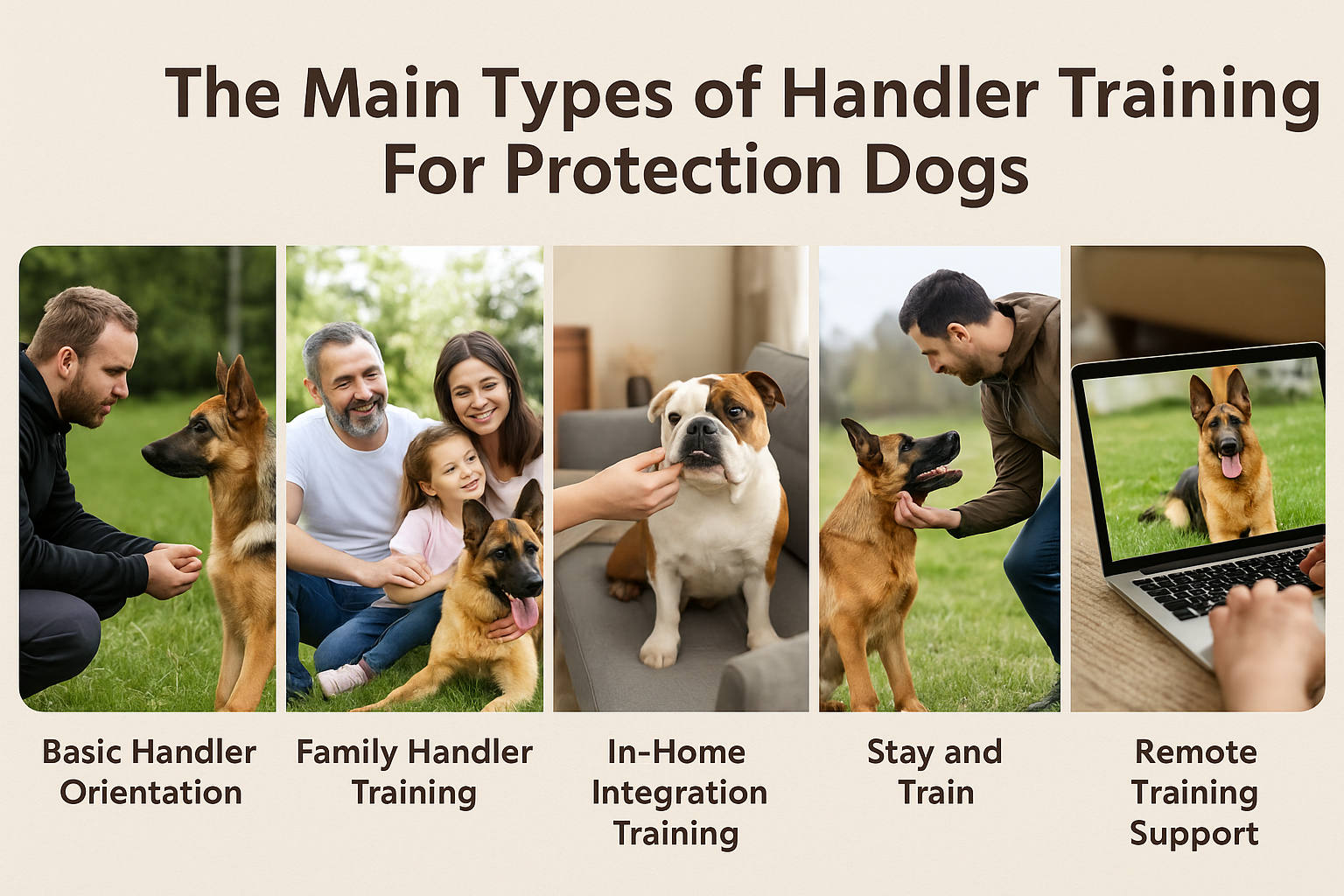
We also recommend scheduling your In-Home Integration to help with setup.
🤝 Step 3: Use the 4-Day Slow Introduction Method
Here’s our proven integration method (used by our trainers across the USA!) 💪
Day 1: Scent and Sound Only
- No physical meeting
- Swap blankets or toys to let both pets smell each other 🧸
- Let your protection dog hear the other pet behind a closed door
Day 2: Sight Without Contact
- Use a secure gate or two crates facing each other
- Watch body language, no growling, lunging, or staring 👀
- Keep sessions short (5-10 minutes) and positive
Day 3: Parallel Movement
- Take both pets on leashed walks (separate handlers)
- Start 10 feet apart and move closer over time
- Reward calm behavior with treats or affection 🦴
Day 4: Leashed Introduction
- Indoors or outdoors, keep both pets on leash
- Keep it short (under 10 minutes), calm, and low energy
- End on a positive note, never force it!
🎯 Repeat Days 3–4 for several days before removing leashes.
🚫 Common Mistakes That Can Ruin Introductions
Don’t let excitement lead to chaos! Here are some big no-nos:
- ❌ Rushing the intro in one day
- ❌ Letting pets “work it out” through conflict
- ❌ Holding the small pet in your arms (triggers guarding or prey drive)
- ❌ Introducing in tight spaces like hallways or kitchens
- ❌ Leaving toys or food around during early meetings
We train our dogs to ignore distractions — but your current pets may not be ready. That’s where https://protectiondogss.com helps by setting realistic timelines and offering live Remote Training Support.
🏠 Living Together Long-Term: Peaceful Coexistence Tips
After successful introductions, you want to make sure your household stays peaceful. Here are tips from our Family Handler experts:
1. Feed Separately 🍽
Always feed protection dogs away from other pets to avoid guarding behaviors.
2. Supervise First 30 Days 👀
Watch every interaction, even if it seems peaceful. Build habits through structure.
3. Use Crate or Bed Commands 🛏
Teach your dog to “place” when other pets walk by, eat, or play.
4. Give Equal Attention ❤️
Don’t favor one pet over the other — jealousy can lead to fights.
5. Don’t Leave Toys Lying Around 🧸
Until you’ve seen total calmness between animals, keep shared resources controlled.
💡 We can help set routines using our Family Handler Training.
🐾 Real Family Story: From Cat Chaos to Couch Cuddles
💬 “We were nervous about bringing our Rottweiler protection dog home — we had two senior cats who’d never lived with a dog. https://protectiondogss.com helped us with a daily plan and coached us remotely during the first week. By day 10, the dog and cats were napping in the same room. Now they play together in the backyard!”
— The Lewis Family, Oregon
📞 How We Make Integration Easy
Choosing https://protectiondogss.com means you’re not doing this alone.
Here’s what we include with every purchase:
| Integration Service | Description |
|---|---|
| Pet Compatibility Matchmaking | We only offer dogs we know will succeed with your existing pets. |
| In-Home Integration Support | Our trainers visit your home (or guide you virtually) to set up routines. |
| Family Handler Training | Teaches your kids, spouse, and pets how to build trust and structure. |
| Remote Video Coaching | Ongoing support for unexpected behaviors or new interactions. |
| Follow-Up Check-ins | We call or text during the first 30 days to see how it’s going 🐾 |
🔁 What If It’s Not Working?
Even with careful planning, sometimes pets don’t click right away.
Don’t panic!
We’ll help troubleshoot:
- Is it dominance or fear?
- Is someone guarding food or space?
- Is your protection dog too bored?
Try our Training Refresh or Remote Support to adjust routines.
And if needed, our Dog Rehoming service is available with zero judgment. Your family’s safety and happiness come first!
🔎 Special Considerations for Other Animals
Let’s cover some non-dog pets:
🐱 Cats
- Start very slow
- Use vertical escape options like shelves or cat trees
- Keep nails trimmed to avoid scratches during spats
🐰 Rabbits & Guinea Pigs
- Never leave unsupervised
- Use scent desensitization and physical barriers
- Teach your dog to “leave it” reliably
🐦 Birds
- Keep cages elevated and secure
- Practice “place” or “down-stay” during bird activity
- Watch for signs of prey drive
🎯 Our Proofing Under Distraction program teaches your dog to stay calm even when small, fast animals are around.
🔚 You Can Have a Peaceful Pack
Integrating a protection dog with other pets isn’t about luck, it’s about planning, patience, and the right dog for your family. 🧠💛
With the expert help of https://protectiondogss.com, your home can be:
- Safe 🛡
- Harmonious 🎵
- Joyful 🐶🐱
Whether you’re adding a new German Shepherd to your cat-loving household or introducing a Doberman to your bunny room, we’ve got your back.
🙋♀️ FAQs About Protection Dog + Pet Integration
1. Will my current pets be jealous of a new dog?
Possibly, but you can prevent issues with balanced attention and structure. We teach this in Family Handler Training.
2. What if my cat hides for weeks?
That’s okay! Cats take time. Don’t rush it. Use gradual scent exposure and let the cat set the pace.
3. Can I introduce multiple dogs at once?
It’s risky. We suggest one new dog at a time. Focus on successful bonding before adding more.
4. What if the protection dog chases my small pets?
Redirect immediately with commands. Then reach out, we’ll help you adjust with Remote Training Support.
5. Are certain breeds better for homes with other pets?
Yes! Giant Schnauzers, German Shepherds, and Dobermans tend to integrate better than more dominant breeds like Cane Corsos or Malinois.
6. Can you train my existing pets too?
While we specialize in protection dogs, we can advise you or refer to a local trainer for your current pets.
7. Do I need a fenced yard if I already have pets?
It’s recommended! See our Yard Security Checklist for pet-safe zones.
For help choosing the perfect dog to match your family AND your pets, visit https://protectiondogss.com and start your journey with confidence 💼🐾💕
We’re here to help every pawstep of the way! 🐾✨