What Every USA Dog Owner Should Know
When it comes to our brave, loyal protection dogs, being prepared means more than just training and feeding. 🚨 Accidents happen, whether your dog gets a cut on a hike, eats something it shouldn’t, or overheats during a sunny day.
That’s where first aid for dogs comes in! 🐕🩺 Think of it like a superhero kit for your furry protector, one that helps YOU save the day until a vet takes over.
Now, we’ll learn about first aid for your protection dog in the USA, from creating a first aid kit to dealing with injuries, choking, heatstroke, and more.
We’ll also show how https://protectiondogss.com/ can help you feel confident in emergencies, thanks to our dog training services, health programs, and breed-specific support.
Let’s stay safe! 🚑🐶💪
Why First Aid Matters for Protection Dogs 💼🐾
Protection dogs are incredibly strong and smart, but they’re also active, alert, and exposed to more risks than couch-potato pets.
Here’s why learning first aid is so important:
| Reason 🐕 | Why It Matters 🚨 |
|---|---|
| They work in high-risk roles | Guarding property, deterring threats, or traveling with owners puts them in harm’s way more often |
| They’re outdoors often | Outdoor hikes, patrols, and yard time mean bug bites, cuts, and heatstroke risks |
| They protect YOU | If they get hurt while saving you, knowing first aid could save them |
| Vets aren’t always close | Emergencies don’t wait for appointments, your quick action can be life-saving |
Having just 10 minutes of training and the right tools on hand can make the difference between a close call and a tragedy. 🛑
What’s in a Dog First Aid Kit? 🧰🐶
Let’s build a complete protection dog first aid kit 🧰 that you can keep at home, in the car, or in your bug-out bag:
🩹 Essential First Aid Items
- Sterile gauze pads
- Adhesive tape
- Non-stick bandages
- Antiseptic wipes
- Hydrogen peroxide (3%) – for cleaning wounds or inducing vomiting (with vet advice only!)
- Antibiotic ointment (dog-safe)
- Tweezers (for splinters or ticks)
- Digital thermometer (rectal for dogs)
- Blunt scissors
- Cold pack
- Cotton balls or swabs
- Muzzle (injured dogs may bite)
- Slip leash
- Disposable gloves
- Flashlight
💊 Medications (Check with Your Vet)
- Benadryl (Diphenhydramine) – great for stings or allergies
- Activated charcoal – helps absorb poisons
- Electrolyte powder or solution (like Pedialyte)
🗂️ Paperwork to Include
- Your vet’s name/address
- Emergency vet contacts
- Vaccine records
- Microchip ID
- A recent photo of your dog
Want us to help you build or customize your kit for your breed and needs? Check out our K9 Health & Wellness Program and we’ll guide you! 🐾🧑⚕️
Emergency Signs You Should Never Ignore 🚨
These warning signs mean you should use your first aid skills and call a vet or emergency clinic:
- Heavy bleeding 💉
- Breathing trouble 😮💨
- Vomiting or diarrhea for more than a few hours 🤢
- Collapse or unconsciousness 😵
- Seizures ⚡
- Swollen belly or hard stomach 🥵
- Heatstroke symptoms 🌡️
- Poisoning signs ☠️
- Burns 🔥
- Sudden aggression or fear 😨
Know these signs well. Practice calm responses. Your dog will feed off your confidence!
First Aid Scenarios and What to Do 🐶⛑️
Let’s walk through the most common first aid emergencies with easy steps you can take before help arrives.
🐾 1. Cut or Bleeding
What to Do:
- Stay calm, leash or muzzle your dog if needed.
- Apply pressure with a clean gauze or cloth.
- Keep pressing for 3-5 minutes without peeking.
- If bleeding is heavy or won’t stop, wrap with vet tape and get to the vet.
Tip: A bleeding paw is very common after sharp rocks, broken glass, or rough play. Always check pads and nails!
🌡️ 2. Heatstroke
Summer danger alert! Dogs can’t sweat like us, they pant, but that’s not always enough.
Signs:
- Fast breathing
- Red gums
- Drooling
- Vomiting
- Wobbly walking
- Collapse
What to Do:
- Move to shade or A/C immediately
- Offer water (not too much at once)
- Wet their fur with cool (not ice-cold) water
- Use a fan if available
- Call your vet during cooling
For more heat safety tips, read our Seasonal Care Guide 🥵❄️
🐍 3. Snake Bite or Insect Sting
What to Do for Bites:
- Keep dog still – movement spreads venom!
- Call a vet or poison hotline ASAP
- Try to identify the snake (but don’t risk another bite)
- Don’t apply ice or suck the wound
What to Do for Stings:
- Remove the stinger with tweezers
- Apply a cold compress
- Give Benadryl (with vet’s dosage advice)
Breeds like Belgian Malinois love exploring outdoors, but that means higher sting risks! Be prepared!
🍫 4. Poisoning
Dogs explore with their mouths, and not everything they taste is safe 😬
Common toxins:
- Chocolate 🍫
- Grapes or raisins 🍇
- Onions/garlic 🧄
- Human meds 💊
- Xylitol (in gum or peanut butter!) 🚫
- Rodent poison 🐭
What to Do:
- Call ASPCA Poison Hotline or your vet
- If advised, use hydrogen peroxide (3%) to induce vomiting
- Never induce vomiting if:
- Your dog is unconscious
- The poison is caustic (like bleach)
Want safer snacks? Check our post on Nutrition for Protection Dogs 🥩🍗
🐕🦺 5. Choking
Signs:
- Pawing at mouth
- Coughing or gagging
- Blue tongue
- Panic
What to Do:
- Open the mouth and look inside
- Use fingers or tweezers if you see something
- If not breathing, do the dog Heimlich:
- For large dogs: Wrap arms around waist, push inward/upward just behind ribs
- For small dogs: Hold upside down and gently shake
- Start CPR if no heartbeat or breathing
🩺 6. Broken Bone or Limping
What to Do:
- Leash or crate the dog
- Muzzle if painful
- Use a towel as a sling for transport
- Don’t try to reset or fix the bone
- Go to vet ASAP
For active breeds like German Shepherds or Cane Corsos, joint injuries are more likely, so get trained and ready!
Keeping Records: The Emergency Logbook 📓🖊️
Every protection dog should have an emergency record notebook or digital folder.
Keep track of:
- Vaccinations
- Vet visits
- Past injuries
- Medications/dosage
- Emergency plan and vet contacts
- Behavior changes
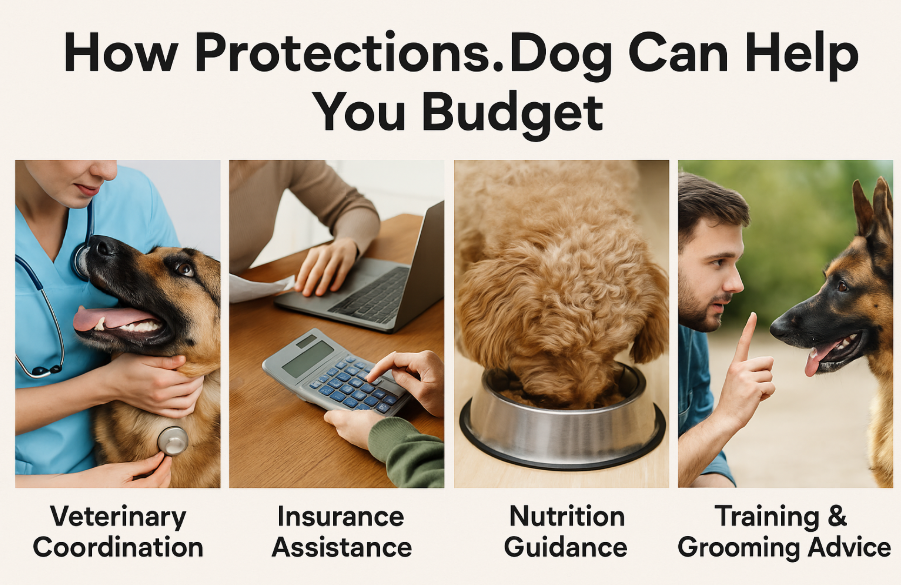
Our Veterinary Coordination Services can help streamline your health tracking! 📋🐶
First Aid Training: Learn It, Practice It 💡
You don’t need to be a vet to save your dog’s life. But you DO need to learn the basics and stay calm under pressure.
Ways to train:
- Take a K9 first aid course near you
- Ask your vet for hands-on tips
- Practice scenarios with stuffed animals
- Watch reputable YouTube or vet clinic videos
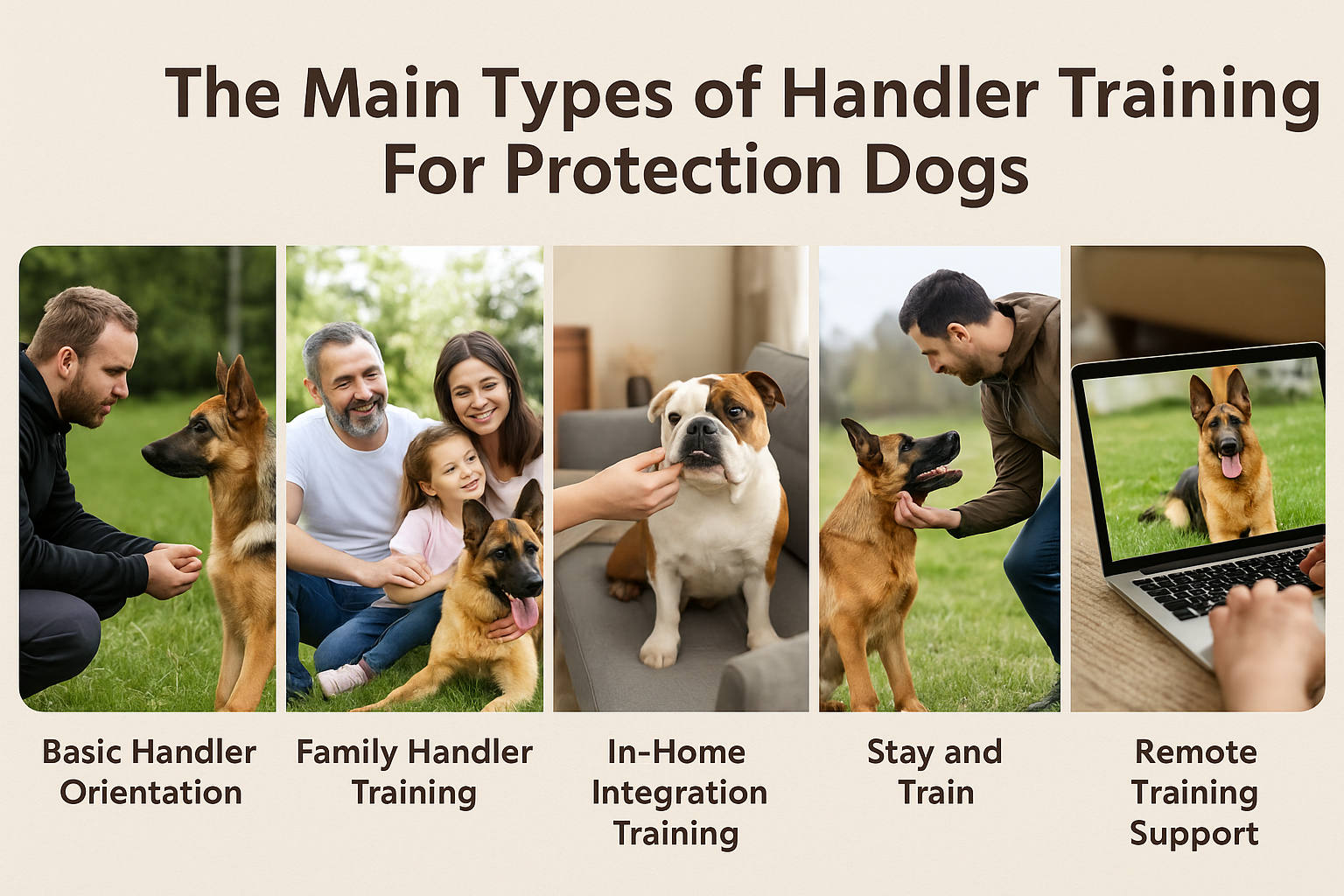
For real-world support, enroll in our Family Handler Training or In-Home Integration to get dog-specific emergency coaching tailored to YOUR lifestyle.
How Our Website Helps You Be Prepared 🐶🛟
At https://protectiondogss.com/, we go far beyond selling top-quality dogs. We believe in total protection, that means:
- Training for health and safety: Our Protection Dog Training includes exposure to vet tools, stress handling, and obedience under pressure.
- Wellness monitoring: Our K9 Health & Wellness Program keeps your dog fit, pain-free, and ready for anything.
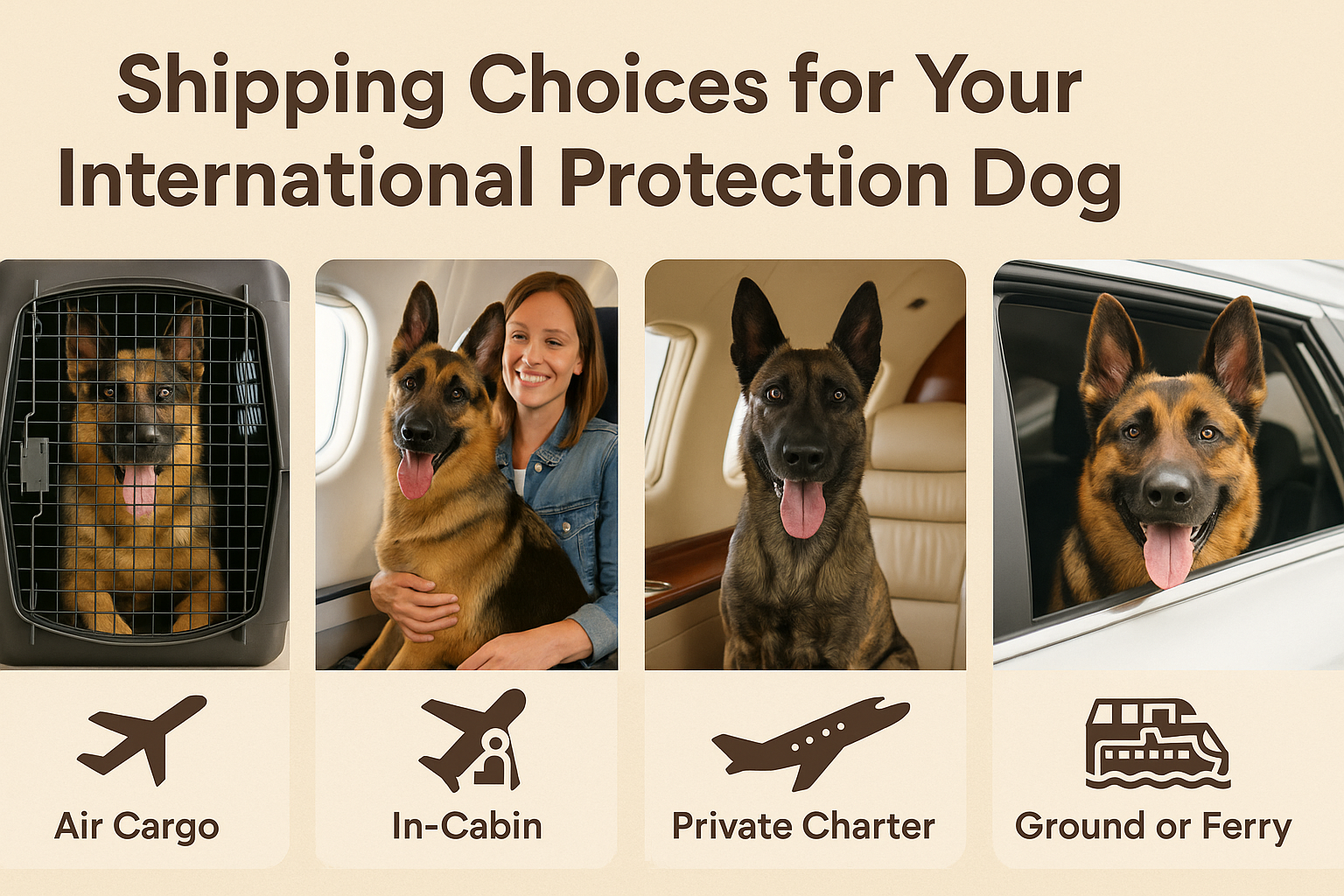
- Ongoing help: Need travel safety advice or health plans? Explore our Veterinary Coordination and VIP Travel Support services.
- Breed-specific guidance: Not sure what’s normal for a Boerboel or Doberman? We tailor advice to YOUR dog.
FAQs About Protection Dog First Aid 🧠🐾
How do I know if it’s an emergency?
If your dog is bleeding, unconscious, can’t breathe, vomiting non-stop, has a bloated belly, or suddenly collapses, treat it as urgent and contact a vet.
Can I give human medicine to my dog?
Only with vet permission! Some human meds (like Tylenol or ibuprofen) are toxic to dogs. Use dog-safe versions only.
What should I never do in a dog emergency?
Don’t panic. Don’t give random meds. Don’t delay action. And don’t skip the vet “just because they seem better later.”
Should kids or family members know dog first aid?
Yes! Everyone in your home should know the basics. Our Family Handler Training includes these lessons for kids and spouses too.
Do protection dogs respond differently to injury?
Some protection dogs hide pain to “stay strong.” Learn their body language and don’t assume silence means safety.
You’ve Got This 💪🐶
Being a protection dog owner is a huge responsibility and you’re already doing amazing by reading this! 🌟
First aid doesn’t replace a vet, but it buys time, reduces harm, and can save lives. Keep your kit packed, your skills sharp, and your dog’s safety first.
Want more help? Let us support your journey at https://protectiondogss.com/ from health programs to handler coaching to choosing the perfect breed.
Stay smart, stay safe, and give your protector the love and backup they deserve 🐾❤️🛡️