Welcoming a new baby into your home is exciting, but if you have a protection dog, it’s also a time for planning and patience. Just like people, dogs need time to adjust to big life changes. And for protection dogs, who are trained to protect and stay alert, that change can feel even bigger.
At https://protectiondogss.com/, we know how to help families and their dogs form strong, safe bonds 🐾.
Why This Step Is So Important
Protection dogs are smart, loyal, and deeply connected to their families. But even the best-trained dog isn’t born knowing what a baby is 👶. Babies sound different, smell different, and act different than anything your dog has seen before.
Without the right introductions, your dog might feel:
- 🧠 Confused by the baby’s sounds or movements
- 🫣 Overprotective of you
- 😬 Nervous about new routines
- 🚨 Unsure of how to “protect” when baby’s involved
Before Baby Arrives: Start Early 🍼
Your journey begins during pregnancy or the adoption wait. The earlier you start preparing your dog, the smoother the transition will be.
1. Practice New Sounds
Start playing baby noises like crying, cooing, and giggling at low volumes during regular routines. This helps your dog learn that these sounds are normal and not a threat.
- Play baby sounds during feeding times
- Reward calm behavior with treats 🦴
- Slowly increase the volume over time
2. Introduce Baby Smells
Use baby lotion, wipes, or powder around the house so your dog gets used to the scents before the baby comes.
💡 Pro Tip: Rub baby lotion on a blanket and let your dog sniff it during cuddle time!
3. Adjust the Dog’s Routine
Babies bring new schedules! Slowly shift your dog’s feeding, walking, and bedtime routines to match the times they’ll happen after the baby arrives.
We recommend practicing this at least a month before your due date.
4. Refresh Obedience Training
Commands like “leave it,” “place,” “go to bed,” and “stay” are super important once the baby is home. If your dog needs a little help, check out our Protection Dog Training Services to sharpen those skills.
Setting Up the House for Baby + Dog Safety 🏡
Safety is the name of the game when baby and protection dog share a home. But don’t worry, you can still keep things cozy, calm, and happy for everyone.
Use Baby Gates
Install baby gates early so your dog sees them as part of normal life. Use them to:
- Keep your dog out of the nursery
- Give baby space for tummy time
- Create calm zones for your dog
Make a “Dog-Only” Zone
Just like baby needs a crib, your protection dog needs a place to relax. Use a crate, dog bed, or gated area for:
- Naps 💤
- Chew toys 🧸
- Retreats from baby chaos
Need help building a crate routine? See our Crate Training Essentials blog.
Secure Dog Food and Toys
Dog bowls, bones, and squeaky toys should be kept out of baby’s reach. Your dog should also learn not to take baby toys—soft rattles look an awful lot like plush toys!
The First Meeting: How to Introduce Dog and Baby 🫶
This is the big moment! With a little patience and the right steps, you can make it safe and sweet.
Step 1: Calm the House First
Make sure your dog is exercised, fed, and calm before the baby comes in. If needed, let someone else hold the leash or keep your dog behind a gate at first.
Step 2: Let the Dog Smell Baby’s Blanket
Before meeting the baby, let your dog sniff a blanket or onesie the baby has worn. This helps them connect the scent with something safe and familiar.
Step 3: Keep the First Greeting Short and Sweet
When you’re ready:
- One adult holds the baby
- Another adult holds the dog on a leash
- Let the dog sniff from a few feet away 🐕
Watch your dog’s body language:
- ✅ Tail wagging slowly? Good sign!
- ❌ Ears back, growling, or intense staring? Pause and try again later.
Always end the interaction on a calm note with praise and maybe a tasty treat!
The First Week: Building Trust Between Baby and Dog
Those first few days are key for setting routines and expectations.
Supervision Is Everything 👀
Your protection dog should never be left alone with the baby—even if they seem calm. This helps keep both safe while trust is being built.
Use Leashes Inside (At First)
Keeping your dog leashed indoors for the first few days allows you to guide behavior easily.
Leash use helps when:
- Baby is nursing or feeding
- You’re doing diaper changes
- Visitors come over
Keep Routines as Normal as Possible
Feed, walk, and play with your dog around the same times each day. If possible, let another family member handle dog care so you can rest.
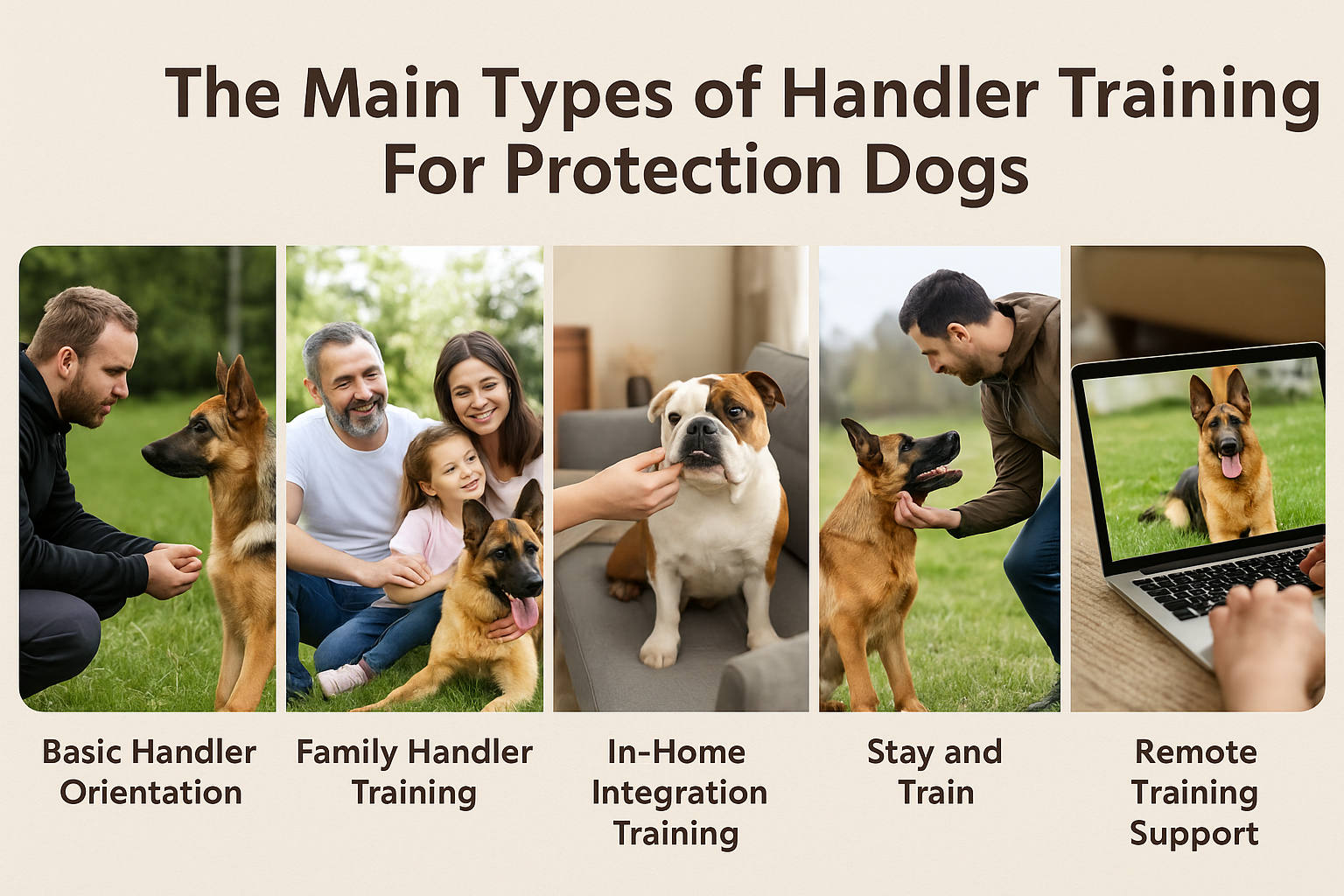
Consider a Stay & Train Program if you’ll need help during recovery time.
Long-Term Success: Teaching Your Dog to Be Baby’s Best Friend
With time and effort, your protection dog can become your baby’s loyal guardian, and gentle companion.
Here’s how to keep things smooth as your baby grows.
Teach “Gentle” and “Back Up”
Use treats to teach your dog gentle interactions like:
- Slow sniffs
- Soft paw touches
- Backing away on cue
Use treats, praise, and patience—it’s not instant, but it works!
Praise Calm Behavior Around Baby
When your dog calmly lies near the baby’s swing or stroller, give them praise and treats. This teaches them that calmness = rewards 🏆.
You can even use a special chew toy only when the baby is around, so they associate baby time with good things.
Avoid Jealousy
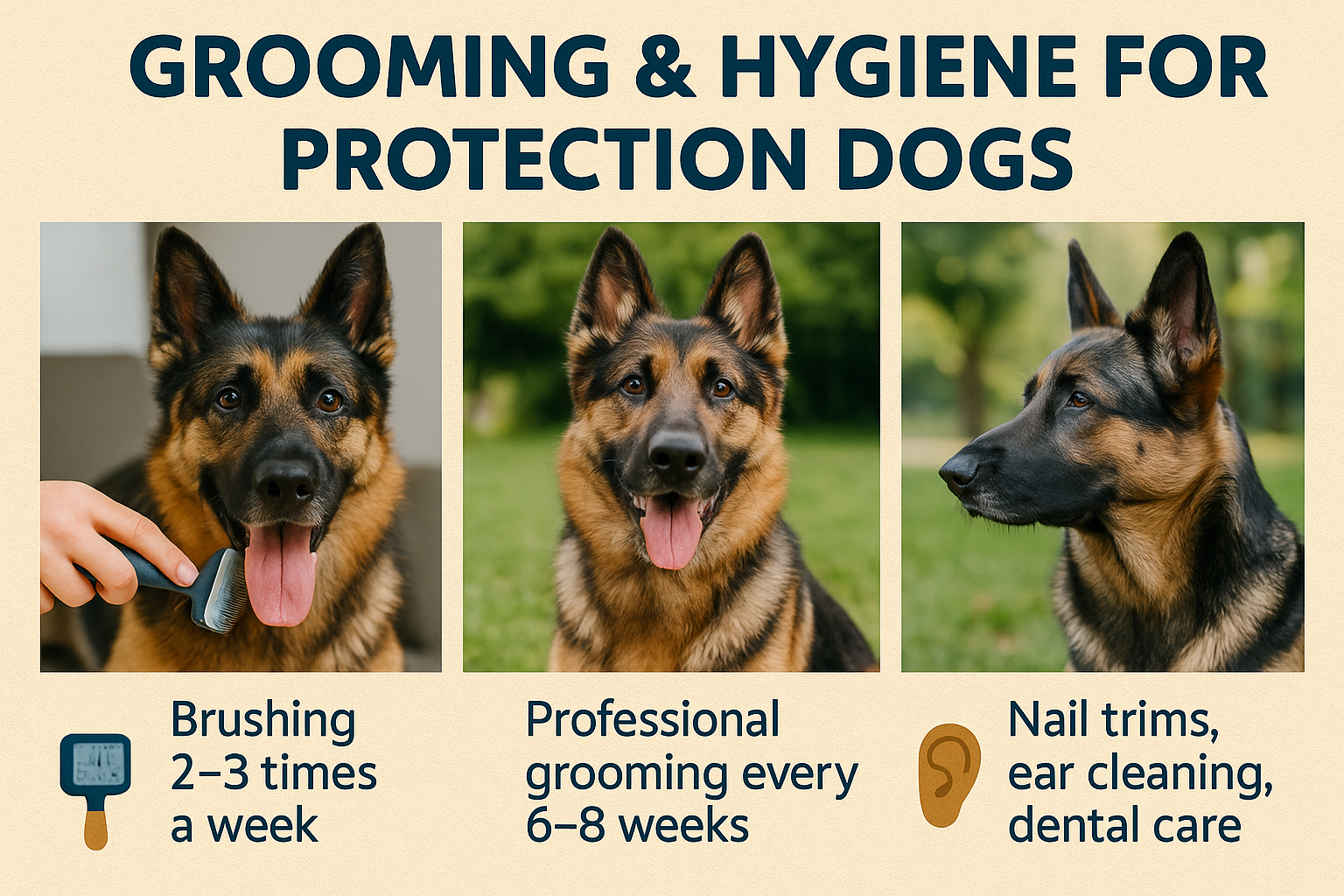
Make time for your dog too! Even 10 minutes of fetch, a walk, or brushing time helps.
Our Daily Exercise Routines blog has simple ideas for busy parents.
Baby Is Crawling, Now What? 🧗♂️🐕
Once your little one starts moving, it’s a whole new world for your dog. Movement can surprise or excite protection dogs, so follow these tips:
Use Baby Gates to Separate Play
Let your baby explore safely while keeping your dog calm in a nearby room or behind a gate. This keeps things safe for both.
Start Teaching Baby Too
Just like dogs need training, so do toddlers! Begin teaching “gentle hands” and no grabbing ears or tails.
Always guide your child to be respectful of their furry friend.
When to Ask for Help 🚨
Even with your best efforts, sometimes things don’t feel 100% safe. That’s okay, professional help is always available.
Reach out to us for:
- In-Home Integration training
- Family Handler Training
- Training Refresh for older dogs
- K9 Health & Wellness if your dog seems stressed
Remember, you’re not alone. We help families all across the USA raise babies and dogs together, safely, happily, and with peace of mind.
Baby + Dog Introduction 🗓️
| Stage | What to Do | Dog Focus | Baby Focus |
|---|---|---|---|
| 2–3 months before baby | Adjust routines, play baby sounds, scent exposure | Learn new smells/sounds | Still in the womb or coming soon! |
| 1 month before baby | Train basic commands, prep home | Practice “stay,” “leave it” | Final baby setup |
| Day of arrival | Calm greeting, blanket sniff, short intro | Calm behavior, leashed | First safe intro |
| Week 1 | Routine, praise, supervised bonding | Watch for stress signs | Adjust to life at home |
| Month 1+ | Calm praise, slow exposure | Learn gentle baby rules | Hear and see dog calmly |
| Baby crawling | Use gates, train baby too | No chasing/jumping | Learn “gentle” hands |
| Toddler years | Strong bonding, consistent supervision | Be a best friend & guard | Respect and trust the dog |
How We Can Help at https://protectiondogss.com/ 🐾
Introducing your protection dog to your baby doesn’t have to be scary. At https://protectiondogss.com/, we help families across the U.S. with every step of the journey, from dog training to family bonding and beyond.
Here’s how we support YOU:
- Personalized dog matching from our Dogs for Sale listings
- Hands-on family support via Family Handler Training
- Ongoing help with our In-Home Integration plans
- Easy training upgrades through Stay & Train and Training Refresh
- Puppy guidance from our Personalized Puppy Program
Whether you’re having your first baby or adding another to the bunch, we’re here to guide your family and your loyal protector toward success.
Let us help you raise a confident dog and a safe, happy baby 👶🐶❤️.
FAQs: Protection Dogs and Babies
When can I start introducing my dog to baby sounds and smells?
Right away! As soon as you know a baby is on the way, start slowly introducing sounds and smells so your dog isn’t surprised later.
What breeds are best for families with babies?
Many! We recommend calm, trainable breeds like German Shepherds, Dobermans, Belgian Malinois, and Cane Corsos, depending on your home and family needs.
Should I wait until my child is older to get a protection dog?
Not necessarily. With the right dog and training support from https://protectiondogss.com/, many families raise babies and protection dogs together safely and happily.
What if my dog is acting jealous or upset?
Give them extra love and consider professional support. Our Training Refresh and Handler Support can help calm things down.
Is it safe to let my dog sleep in the nursery?
Only if fully trained and calm. We suggest waiting until your baby is older and your dog shows calm, predictable behavior.
What if my protection dog is overprotective of the baby?
This can happen! Some dogs may growl at visitors or block access. Use training, structure, and help from our In-Home Integration experts to set healthy limits.
If you’re planning to welcome a baby and already have (or are thinking of getting) a protection dog, you don’t have to figure it all out alone.
Visit https://protectiondogss.com/ today and let’s build a loving, protective, and peaceful family life—together 🐾👶❤️.