Moving to a new home is a big adventure! 📦🏡 But for your protection dog, it can be confusing or even scary at first. Just like people, dogs love routine, familiar smells, and knowing where their favorite spot is. When everything changes, they need help understanding what’s happening.
At https://protectiondogss.com, we specialize in helping families and individuals transition their trained protection dogs into new homes, across the street or across the country. Now, we’ll teach you the entire process so your move is safe, smooth, and stress-free for both you and your furry guardian. 💪🐕
🧠 Why Moving Affects Protection Dogs More Than You Think
Protection dogs are trained to observe everything around them. They notice new people, new places, and new sounds, and they’re naturally alert. So when their whole world shifts, they may react with confusion, anxiety, or even protective behavior in unfamiliar ways.
Here’s why moving is extra tricky for them:
| Factor | Why It Matters |
|---|---|
| New territory | Dogs feel the need to protect their “space.” A new house = new area to claim and defend. |
| Scent memory | Dogs rely on smells. A new home lacks familiar scents that make them feel safe. |
| Schedule disruption | Meal times, walk times, and sleep times may change, throwing them off. |
| New noises | From sirens to neighbor dogs, everything is different! They might react more at first. |
| Pack changes | If people move in or out of the home, this affects your dog’s sense of family structure. |
That’s why helping your protection dog feel calm and secure is a top priority during any move.
✨ Step-by-Step: Preparing Your Dog for the Move
🗓️ 1. Start Early
Begin prepping your dog weeks (even months!) before the big day. Dogs sense stress, so stay calm and start making slow changes.
Tips:
- Start packing gradually so your dog isn’t overwhelmed.
- Let them see and sniff moving boxes.
- Keep their daily routine the same.
📍 2. Visit the New Place (If Possible)
If your new home is nearby, take your dog on short visits before the move.
- Let them explore the yard (on leash).
- Walk them around the new neighborhood.
- Reward them with treats and praise so they associate it with good things.
If it’s far away, show them pictures or play calming background sounds (like traffic or birdsong from the new location) as part of training.
🎒 3. Pack a “Dog Go-Bag”
Set aside a moving-day essentials bag just for your dog.
Must-haves:
- Food & bowls
- Treats
- Favorite toy or blanket
- Leash & harness
- Medications
- Cleaning supplies (just in case)
- Copies of vet records
This kit keeps everything you need close, no digging through boxes!
🐾 Moving Day: Keep It Calm and Safe
🚚 Option 1: Dog Goes First
Take your protection dog to the new house before the movers arrive. Set up a quiet space with their crate or bed so they feel safe.
🚚 Option 2: Dog Moves Last
Keep your dog at a trusted friend’s house or boarding facility until the movers are done. This works well for dogs that are sensitive to noise or chaos.
👉 We offer K9 Transportation and Boarding Services if you need support.
💡 Extra Tips for the Day
- Never let your dog loose during the move. Use crates or leash control.
- Stay calm, your dog reads your energy.
- If they’re crate-trained, use the crate. It’s their safe zone.
- Reward calm behavior and ignore whining or pacing.
🏠 First Week in the New Home: What to Do
🛏️ 1. Set Up Their Space First
Before decorating or unpacking, create a calm, familiar space for your dog:
- Use the same bed or crate from your old house.
- Add their favorite toys and blanket.
- Keep their food/water in the same style bowls.
Familiar smells = comfort! 🥰
🕰️ 2. Stick to the Old Routine
Even if your schedule changes, try to keep:
- Mealtimes
- Walks
- Bathroom breaks
- Playtime
as close to the original timing as possible.
Dogs thrive on structure. It tells them everything is still okay.
🐕 3. Supervise Exploration
Let your protection dog explore one room at a time.
- Keep them leashed for the first few tours.
- Praise them when they sniff calmly.
- Watch for over-alertness or anxiety.
Let them adjust at their own pace, every dog is different.
🚧 4. Secure the Yard First
Before any off-leash play in a yard:
- Check the fence for gaps or loose boards.
- Lock all gates.
- Remove any hazards (like old chemicals or tools).
Use our Yard Security Checklist for a full guide.
💪 Helping Your Dog Adjust Like a Pro
🧩 Use Familiar Commands
Stick with the same commands they know:
- “Place”
- “Heel”
- “Watch”
- “Down”
These give them confidence and remind them of their training.
🧠 Add Mental Games
Engage their mind with Mental Stimulation Games like:
- Hide and seek
- Treat puzzles
- “Find it” sniff games
These help your dog settle in faster.
💬 Watch for Stress Signals
Protection dogs may show stress in ways like:
- Pacing
- Excess barking
- Refusing food
- Over-alert behavior
If this happens:
- Give them space
- Go back to basics
- Use gentle crate time
📞 Still unsure? Our Remote Training Support is here to help.
🚫 Don’t Make These Common Mistakes
| Mistake | What to Do Instead |
|---|---|
| Changing all the rules | Keep things familiar for the first few weeks. |
| Skipping exercise | Dogs need their walk even on moving day! |
| Introducing too many people fast | Let your dog meet new neighbors one at a time. |
| Letting them loose in a new yard | Always check for holes or escape routes. |
| Ignoring warning signs | If your dog seems stressed, slow things down. |
🧍♂️👩👧👦 Family Tip: Transitioning with Kids and Dogs
If your kids are moving too, they might feel unsure just like the dog.
Tips:
- Let kids help unpack your dog’s things
- Teach them not to overwhelm the dog with hugs or loud noise
- Keep both on routines, bedtime, meals, etc.
Your protection dog will feel stronger knowing the whole pack is safe and steady 🐾❤️
📅 What About the First Month?
Here’s a simple timeline for the first month in your new home:
| Week | Focus |
|---|---|
| Week 1 | Basic setup: crate, feeding, small room explorations |
| Week 2 | Explore backyard safely, short training sessions |
| Week 3 | Add socialization walks and more areas of the home |
| Week 4 | Gradually expand freedom indoors and outdoors |
This timeline works for most dogs. Adjust based on your dog’s personality and reactions.
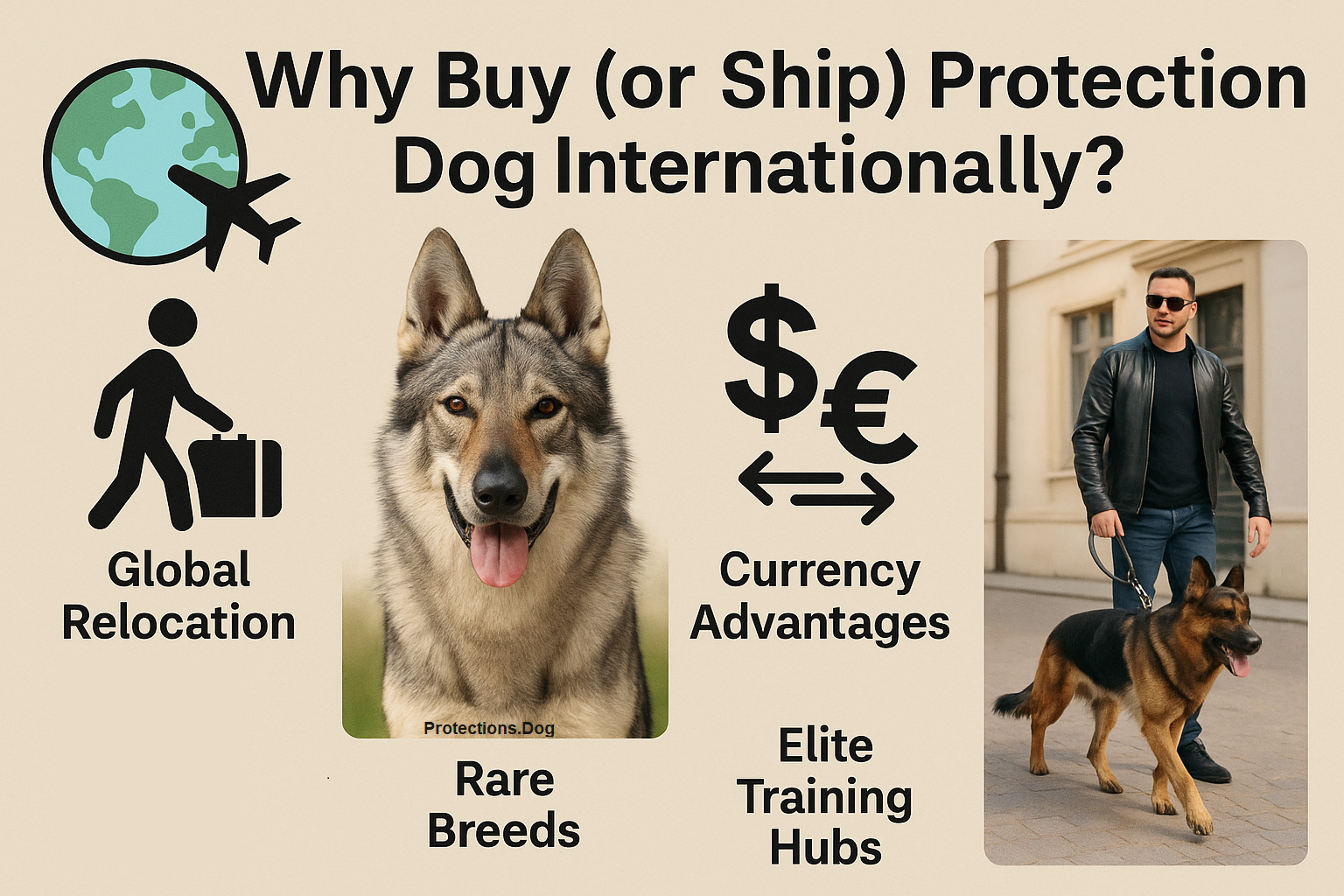
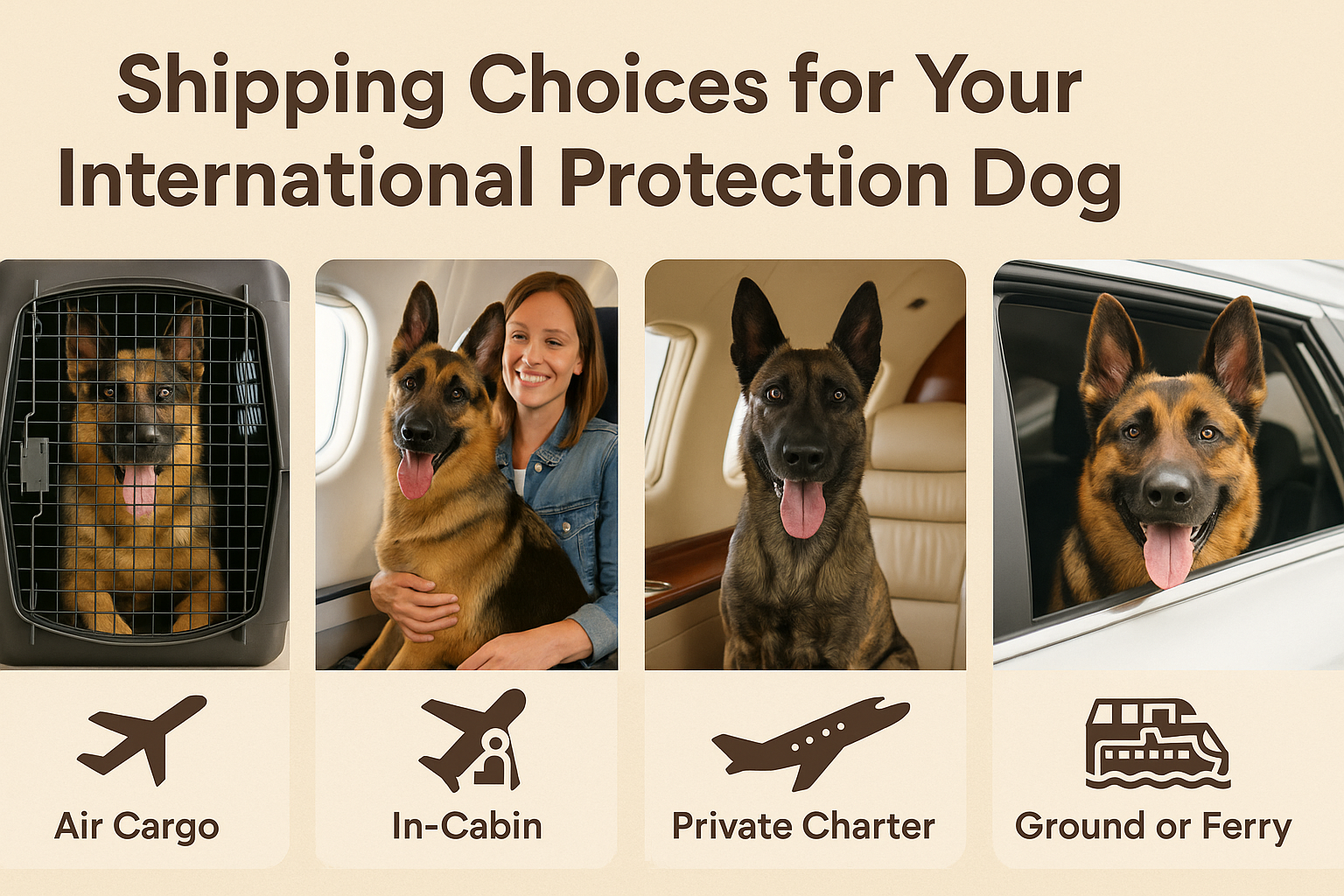
✈️ Moving Long Distance or Internationally?
Big moves need extra prep! Whether across states or oceans:
- Vet visits for paperwork and health checks
- Crate training for travel safety
- Airline-approved gear
- VIP Travel Support from our team
Protection dogs can handle plane rides or long car trips if you prepare right. Check our Preparing for Long Road Trips and Flight Preparation guides for all the travel tips.
🐾 How Our Company Supports You During a Move
At https://protectiondogss.com, our support doesn’t end when you get your dog. We’re here before, during, and after your move.
We offer:
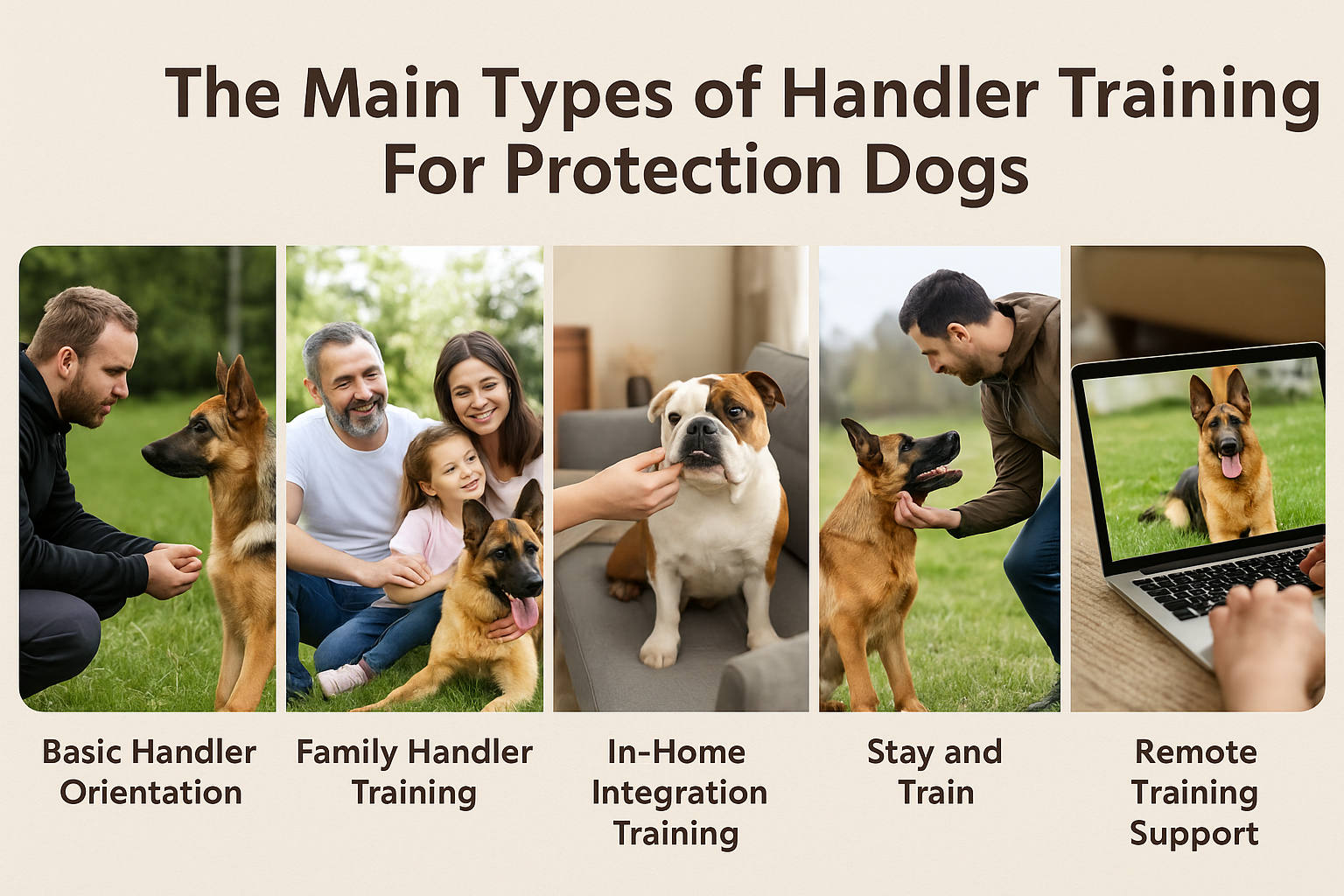
✅ In-Home Integration to help your dog settle into the new space
✅ Family Handler Training to build routines in the new home
✅ Protection Dog Training Refresh if your dog gets a little off track
✅ Security Assessment to make sure your new home is K9-ready
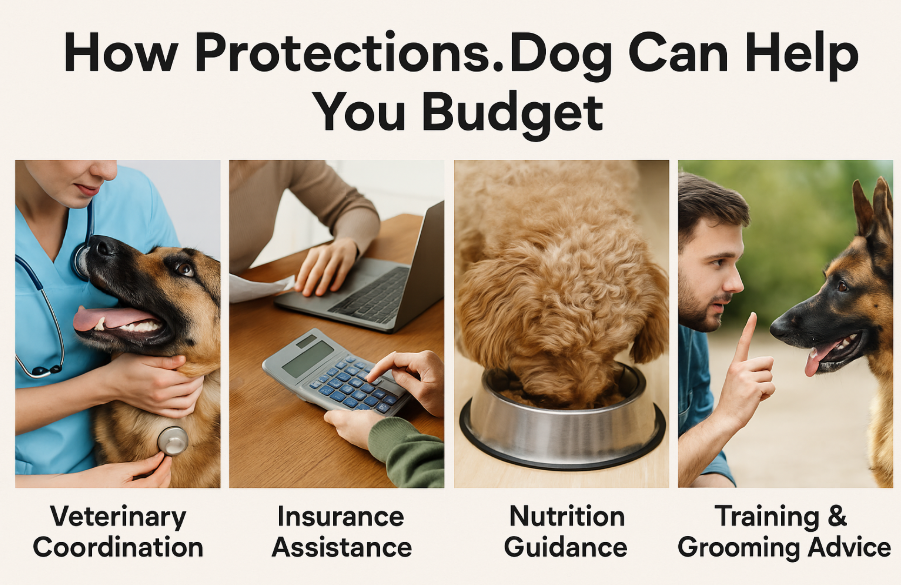
✅ Veterinary Coordination to set up care in your new location
✅ Dog Rehoming if life throws an unexpected change
We’re with you every pawstep of the way 🐾💼
💬 FAQs
How long does it take a protection dog to adjust to a new home?
Most dogs adjust within 2-4 weeks, depending on their personality. Sticking to routines and offering calm leadership helps speed it up.
Will my protection dog still protect me in a new house?
Yes, their loyalty is to you, not the building. But they may need time to understand and claim the new space.
Can moving reset my dog’s training?
Not fully, but it can cause temporary confusion. That’s why we offer Training Refresh services to help your dog re-focus in their new home.
Is it safe to introduce my dog to new neighbors right away?
Only after they’re settled! Start with short, calm greetings outside and reward good behavior.
What if my dog is guarding the front door too much?
It’s normal at first. Use positive redirection and crate time. Need help? Try our In-Home Integration service.
Do I need to retrain potty habits in a new home?
Maybe. Some dogs mark new spaces. Stick to scheduled bathroom breaks and use rewards for going in the right spot.
Should I get a vet check after the move?
Yes! Moving can be stressful on health too. Set up a local vet and have records ready, our Veterinary Coordination service can help.
Moving homes is a fresh start, and with the right preparation, your protection dog will love the new adventure! 🎉🐕 Whether you’re headed to a big city or a quiet farm, your dog just wants to be with you. That’s why they’re more than just protectors, they’re loyal family.
Need help before or after your move? Visit https://protectiondogss.com for full support, training programs, expert guidance, and the most loyal protection dogs in the country.
Happy moving! 🏡🐾💼