BANG!💥 Did that make you jump a little? Imagine being a dog hearing that sound 10 times louder! For protection dogs, being calm during loud or scary noises is a superpower. Whether it’s fireworks, sirens, thunderstorms, or vacuum cleaners, noise desensitization helps your dog stay focused and fearless in any situation.
Now, we’ll learn what noise desensitization is, why it matters for protection dogs, and how to train your pup step-by-step. Let’s make your furry hero bombproof 💪🐶.
And remember, if you ever need help, our team at https://protectiondogss.com/ is here for personalized training and expert support. 🎓🐾
🎯 What Is Noise Desensitization?
Noise desensitization is the process of helping dogs get used to loud, sudden, or strange sounds so they don’t react in fear or confusion. It’s a way to train their brains to say, “No big deal!” instead of “AHH, RUN!” when they hear something unexpected.
Common Sounds Dogs May Fear:
| Type of Noise | Example Sounds |
|---|---|
| Household | Vacuum cleaner, blender, doorbell, toilet flush 🚽 |
| Urban | Sirens, traffic, construction 🚧 |
| Natural | Thunder, wind, rain 🌩️ |
| Recreational | Fireworks, party music, loud laughter 🎆 |
| Mechanical | Power tools, alarms, airplanes 🛫 |
🛡️ Why Noise Desensitization Is CRUCIAL for Protection Dogs
Protection dogs need to stay calm and focused in all environments. If they get spooked by fireworks or traffic sounds, they can lose focus or react in ways that aren’t safe.
Here’s why it matters:
- ✅ Keeps your dog calm during emergencies
- ✅ Maintains focus during training or protection work
- ✅ Builds confidence for working in cities, crowds, or new places
- ✅ Reduces risk of fear-based aggression or anxiety
- ✅ Makes travel and public outings more peaceful
Our protection dogs are trained not just for obedience, but for calm, smart reactions under pressure. That’s why Our Website https://protectiondogss.com/ puts special focus on sound desensitization in our training programs.
🐕🦺 Signs Your Dog Might Be Sensitive to Noise
Is your dog afraid of loud sounds? Here’s what to watch for:
- Tail tucked 🐕
- Ears pinned back
- Pacing or hiding
- Barking or growling
- Shaking or panting
- Refusing to eat or play
- Whining or crying
Even confident protection dogs can get overwhelmed, especially if they weren’t exposed to certain sounds as puppies. That’s why we recommend starting sound training early, and continuing throughout their life.
👶 Start Young: Puppy Desensitization Matters
The best time to begin noise training is during puppyhood, between 3 and 16 weeks. This is the time when puppies are most open to learning and least likely to form lasting fears.
At https://protectiondogss.com/services/personalized-puppy-program, we offer gentle sound desensitization as part of our custom puppy plans 🍼🐾.
Don’t worry if your dog is older though, it’s never too late to start!
🎧 The Step-by-Step Desensitization Method
Ready to train? Here’s a simple routine to help your dog become confident around sounds:
Step 1: Pick Your Sounds
Start with what bothers your dog the most. Or, prepare for future events like holidays or storms. You can find soundtracks online or use our training audio kits (ask us about this!).
Popular Tracks to Start With:
- Fireworks 🎆
- Thunderstorms 🌩️
- Baby crying 👶
- Sirens 🚓
- Doorbell 🚪
Step 2: Create a Safe Environment
Always train in a calm, familiar place, like your living room or yard. Avoid distractions. Your dog should feel safe.
Step 3: Start at Low Volume 🔉
Play the sound at a super low volume, just barely noticeable. Watch your dog’s reaction. If they stay calm, give a treat! 🍗
Do this for 5–10 minutes per day for a few days.
Step 4: Slowly Increase Volume
Once your dog is totally chill at level 1, raise the volume just a bit. Still calm? Treat again! 🎉
Repeat this process, slowly turning up the volume over days or weeks.
Step 5: Add Movement & Distractions
Once your dog can handle the noise, try adding small challenges, like tossing a toy, walking around, or practicing commands during the sound.
This helps them learn to focus, no matter what’s going on.
Step 6: Use Real-Life Exposure
Eventually, try real-life experiences:
- Stand near traffic (from a safe distance)
- Play doorbell sounds during mealtime
- Vacuum while playing fetch
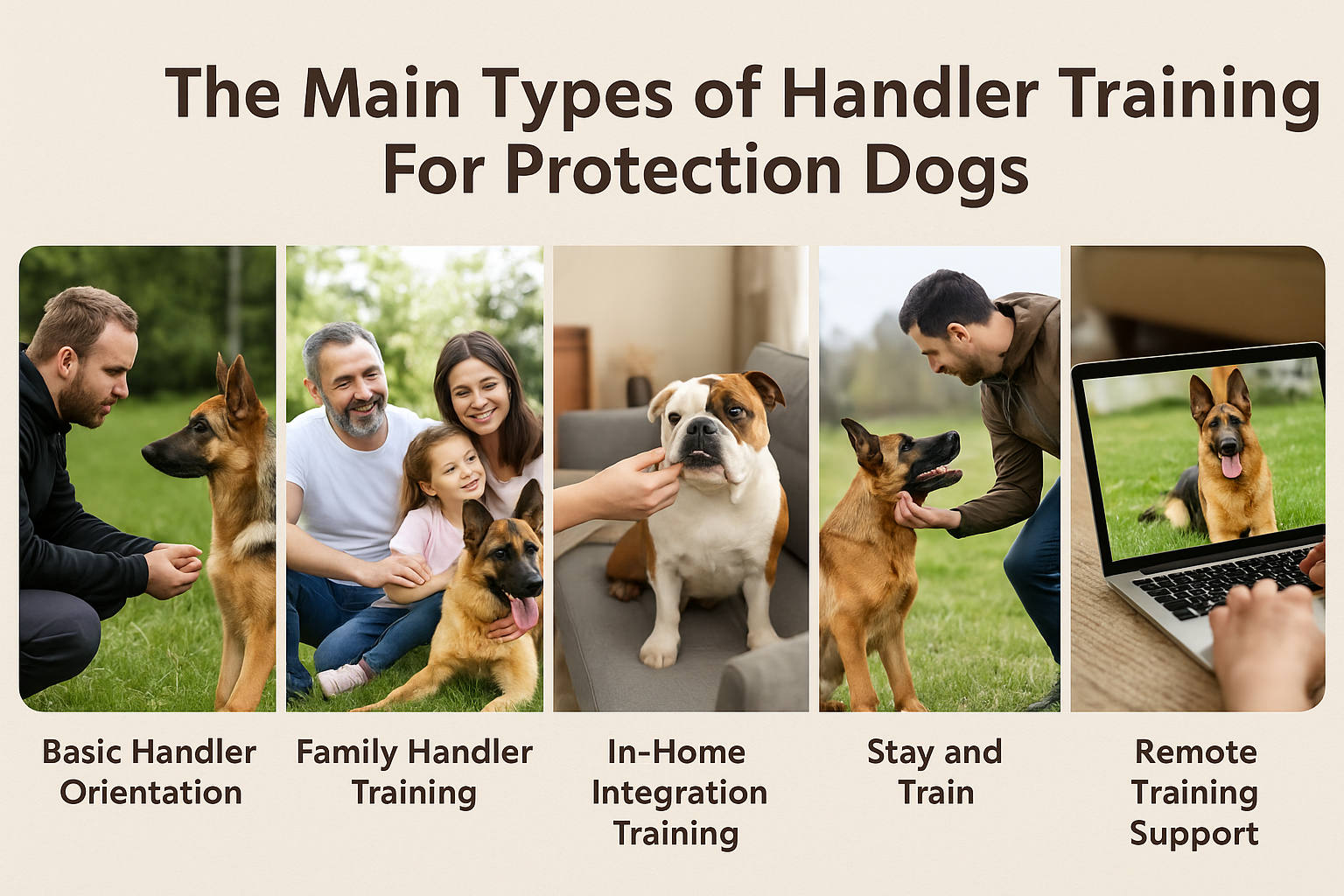
You can also use our In-Home Integration service to have a pro guide this step with your family.
💡 Tips for Successful Training
- Go slow and steady 🐢
- Reward calm behavior, not fear or fuss
- Never force your dog near a scary sound
- Use high-value treats they love ❤️
- If they react in fear, go back a step and lower the volume
- Stop if your dog seems overwhelmed. Rest and try again later
Pro Tip: Train after exercise, when your dog is calmer. A tired dog = better listening ears 💤👂.
🧠 Why Dogs React to Noise
Dogs have superhero hearing, about 4X better than ours! That means:
- They hear higher-pitched sounds 🎵
- They feel bass vibrations in their paws
- Loud sounds are scarier than we think
Protection breeds like German Shepherds, Dutch Shepherds, and Rottweilers are often more sensitive due to their alertness. But with good training, they also become the calmest, bravest dogs around 🦴💪.
🐾 Our Role in Soundproofing Your Dog
At https://protectiondogss.com/, all our protection dogs go through advanced environmental desensitization, including:
✅ Thunderstorm & fireworks simulations
✅ Urban sound exposure (subways, horns, etc.)
✅ Crowd training
✅ Gunshot desensitization (for tactical or VIP-level dogs)
✅ In-home and travel-related sound planning
Whether you’re preparing your pup for 4th of July or training a canine guardian for a busy city life, we’ve got you covered.
Explore our Training Programs or try our Stay & Train for professional noise desensitization support.
🔁 Repetition Makes Confidence
Think of noise training like brushing teeth. You don’t do it once, you do it regularly! Your dog’s calmness grows stronger with every positive sound exposure.
Suggested Weekly Plan:
| Day | Activity |
|---|---|
| Monday | Play thunder sound at low volume 🌀 |
| Tuesday | Vacuum while rewarding calm 🧹 |
| Wednesday | Practice doorbell + treat game 🔔 |
| Thursday | Play street sounds during dinner 🚗 |
| Friday | Watch fireworks video together 🎇 |
| Saturday | Go for a walk near light traffic 🐕 |
| Sunday | Take a rest day with snuggles & praise 🐾💤 |
Consistency = Confidence. We’ll help you build it.
🐶 Noise Desensitization by Age & Breed
| Dog Type | Special Notes |
|---|---|
| Puppies | Start gently. Use soft sounds. Don’t rush. |
| Adults | Build up slowly. Keep sessions short and sweet. |
| Seniors | Avoid loud surprises. Use calming aids. |
| Belgian Malinois | Fast learners—but very alert. Start early. |
| Cane Corsos | Can be sensitive to indoor noises. Focus on home sounds. |
| Dobermans | May startle easily—reward calmly! |
| Great Danes | Often chill, but don’t skip the training. |
| Presa Canarios | Need strong leadership and calm social exposure. |
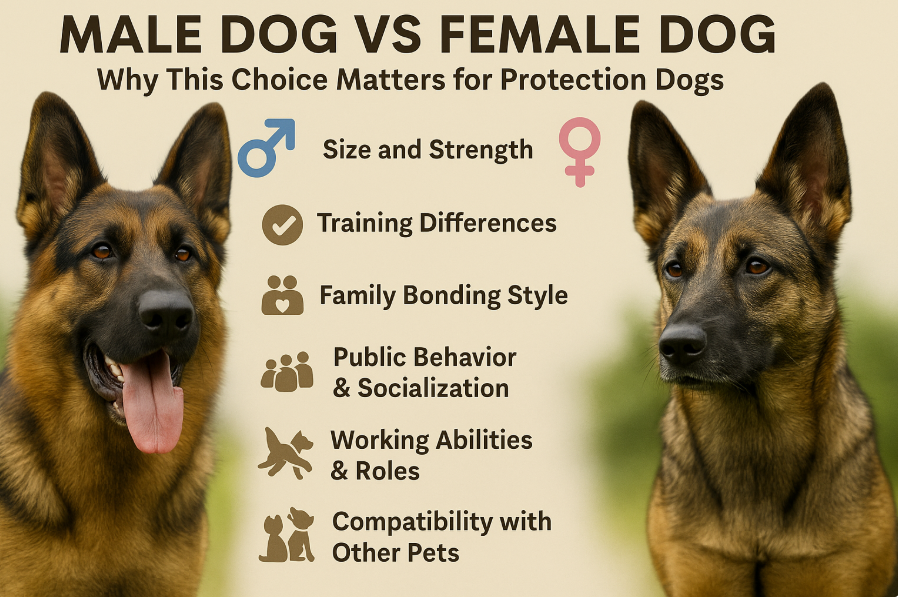
If you’re unsure how your dog will respond, our Dog Selection Service can match you with the right temperament from the start.
🌟 Real Success Story: From Nervous to Noble
One of our clients brought home a gorgeous Black Russian Terrier named Titan. He was strong, loyal—but TERRIFIED of thunder.
With our training:
- We built a custom thunder soundtrack
- Paired it with games and food puzzles
- Added in crate comfort and white noise
- In 3 weeks, Titan snoozed through a full storm!
You can read more happy tails on our Testimonials Page.
🧰 Helpful Tools for Noise Training
- ✅ Bluetooth speaker (for playing sounds)
- ✅ Crate with blanket cover (den-like space)
- ✅ Calming music playlists (like “Through a Dog’s Ear”)
- ✅ Treat pouch for quick rewards
- ✅ Puzzle toys or lick mats for distraction
- ✅ Snuffle mats (makes sound = snack fun!)
Our Training Refresh program includes gear setup and coaching too!
🛑 When to Ask for Help
If your dog:
- Panics uncontrollably during sound exposure
- Hurts themselves trying to escape
- Shows signs of severe anxiety
…it’s time to involve a professional. Some cases need deeper behavior modification or vet-assisted support. We offer expert consultations through our K9 Health & Wellness Program to guide you.
🏁 Sound Desensitization Quick Guide
- Start training EARLY (but it’s never too late)
- Use low volume and short sessions
- Reward calm responses with high-value treats
- Add distractions slowly for real-world readiness
- Avoid forcing or flooding your dog with fear
- Seek expert help if anxiety is severe
- Use https://protectiondogss.com/ services for pro support 💼🐾
🤔 FAQs – Noise Desensitization for Protection Dogs
What’s the best age to start noise desensitization?
Puppies between 3–16 weeks are ideal, but you can train adult and senior dogs too.
Can I desensitize my dog to fireworks?
Yes! Use recordings at low volume and pair them with rewards. Start weeks before fireworks season.
What if my dog hides during storms?
Let them! Create a safe den-like space with blankets. Add calming music or white noise.
Should I comfort my dog during loud sounds?
Yes—but stay calm yourself. Avoid “babying” them too much. Instead, model relaxed behavior.
How long does training take?
It varies! Some dogs take days, others take months. Stay consistent and reward progress.
Is professional help better than DIY?
In complex cases—yes! Our In-Home Training and Stay & Train Programs offer faster, expert-led results.
Ready to build a confident, calm, soundproof protector? Let’s train together. Explore https://protectiondogss.com/ and create a peaceful future for your best friend 🐕💙.