Everything You Need to Know
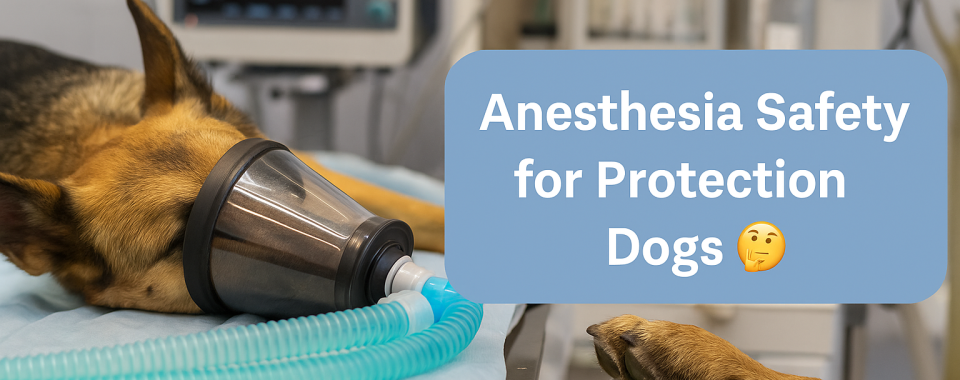
Anesthesia can sound a bit scary 😨, especially when it’s for your beloved protection dog. But don’t worry! With the right information and preparation, anesthesia is safe and helps your furry guardian stay healthy and strong. Now, we’ll learn everything about anesthesia safety, from risks and benefits to how you can best prepare your protection dog for procedures.
At Protections.dog, our goal is to keep your protection dog healthy, alert, and always ready to protect your family. Our team understands your dog’s unique needs and ensures they receive the best possible care, including safe anesthetic procedures when necessary. 🐕
Why Is Anesthesia Important for Protection Dogs? 🤔
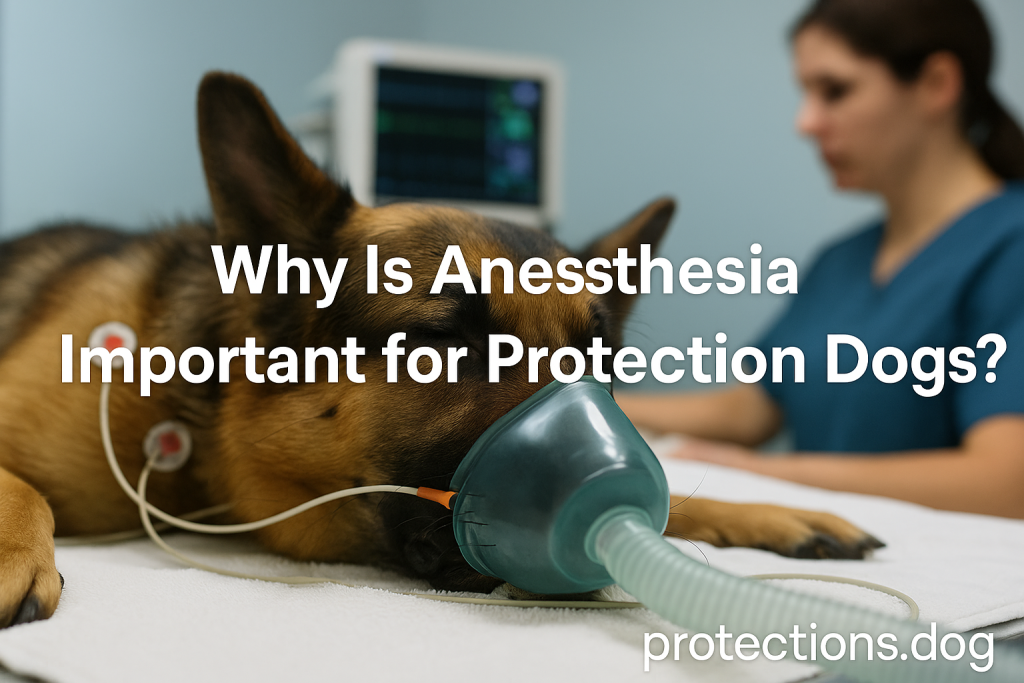
Sometimes, your protection dog might need medical procedures like surgery, dental cleanings, or thorough examinations. These procedures often require your dog to be calm and asleep, which is exactly what anesthesia does. It ensures that:
- Your dog doesn’t feel any pain. 😌
- The veterinarian can safely perform the necessary procedures.
- Your dog stays calm and still, keeping them safe.
But, like any medical procedure, there are risks. Knowing what to expect helps you keep your protection dog safe and comfortable.
🐾 Now we’ll learn:
- What Exactly is Anesthesia? 💉
- Types of Anesthesia for Protection Dogs
- Preparing Your Protection Dog for Anesthesia
- Risks and Complications: What Should You Watch Out For?
- Monitoring During Anesthesia: Keeping Your Dog Safe
- Post-Anesthesia Care: Helping Your Dog Recover
- Special Considerations for Protection Dog Breeds
- FAQs about Anesthesia Safety for Protection Dogs
What Exactly is Anesthesia? 💉
Anesthesia is medicine that veterinarians use to make dogs sleep deeply during medical procedures. It makes sure they don’t feel pain or move around during important treatments like surgeries or dental cleanings.
Anesthesia is usually given two ways:
- General Anesthesia: Puts your dog fully asleep.
- Local Anesthesia: Only numbs a small area, keeping your dog awake but pain-free.
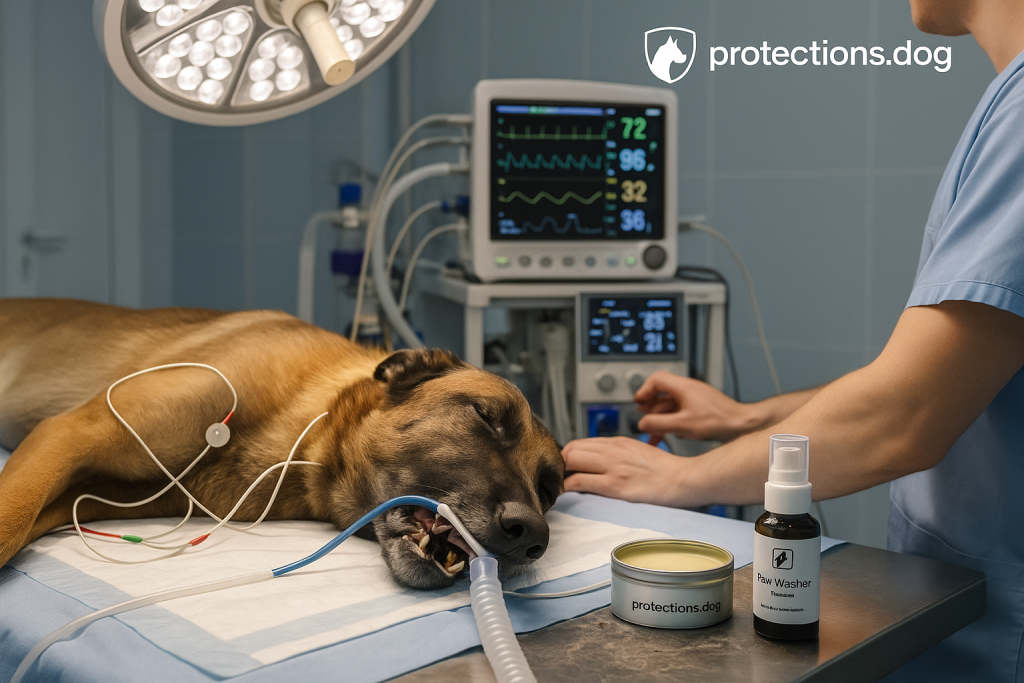
For protection dogs, general anesthesia is often used because procedures tend to be more extensive.
Types of Anesthesia for Protection Dogs
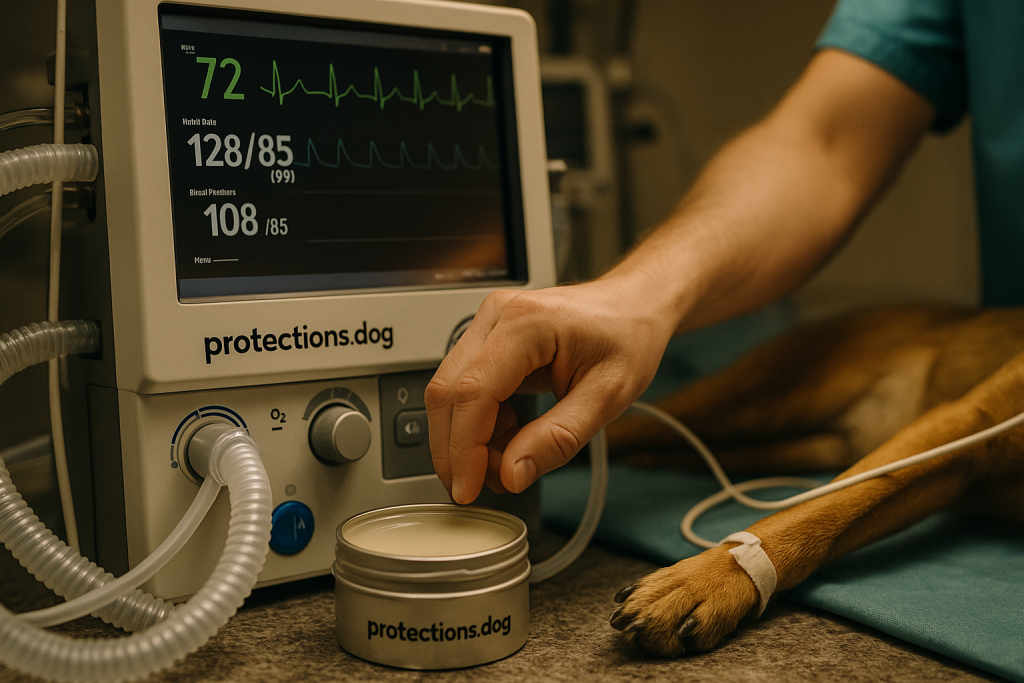
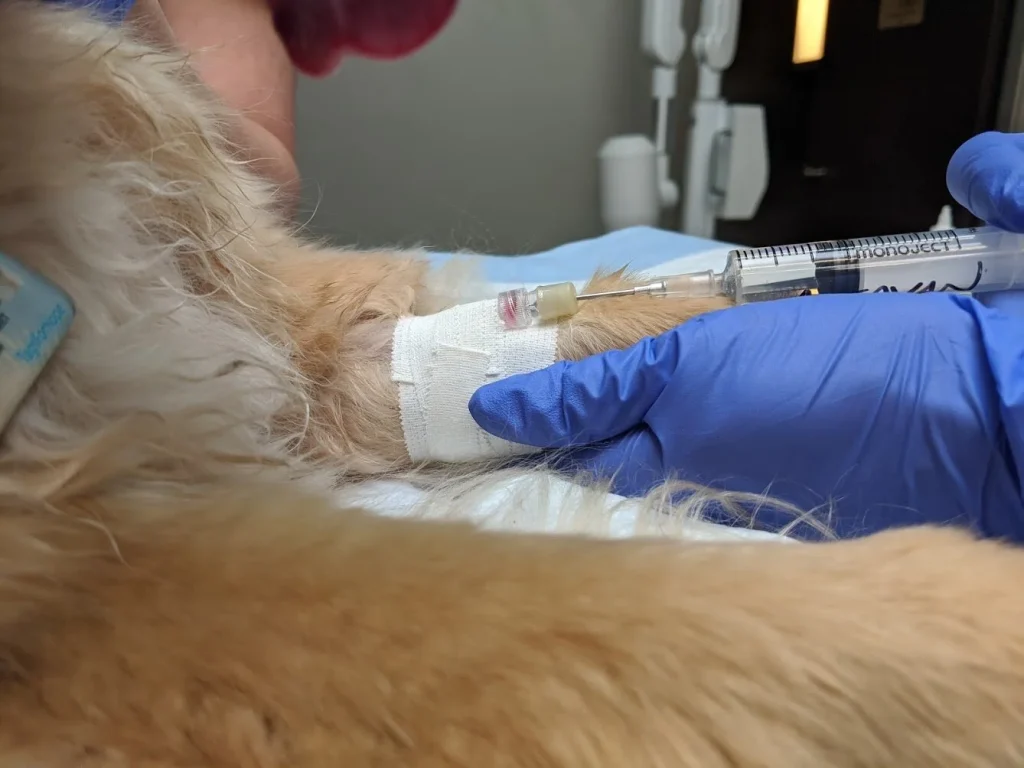
Your protection dog might encounter several kinds of anesthesia:
| Type of Anesthesia | How It Works | When It’s Used |
|---|---|---|
| General | Your dog sleeps deeply. They won’t feel pain or remember anything. | Surgery, dental cleanings, X-rays |
| Local | Numbs a small area of the body, dog stays awake. | Minor procedures, stitches, or small cuts |
| Sedation | Your dog feels very calm but not completely asleep. | Simple exams, mild stress management |
Preparing Your Protection Dog for Anesthesia
✅ What to Do Before the Procedure:
- Vet Check-Up: Always schedule a pre-anesthetic examination.
- Blood Tests: Ensures your dog’s organs, like the kidneys and liver, work well.
- Fasting: Your dog usually shouldn’t eat for 8–12 hours before anesthesia.
- Hydration: Provide water, but follow your vet’s specific instructions.
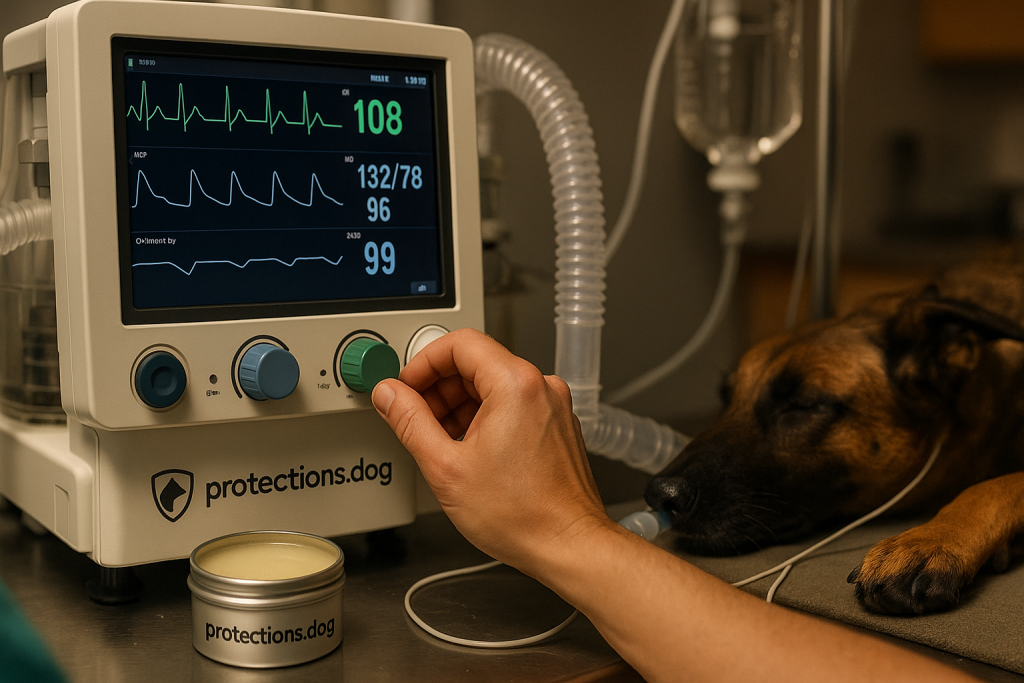
Tip: Protections.dog helps you organize all these steps smoothly, keeping your dog safe at every stage. 😊
Risks and Complications: What Should You Watch Out For?
Anesthesia is very safe, especially with good preparation and monitoring. But it’s important to know potential risks:
- Allergic reactions: Rare, but your vet will always monitor your dog closely.
- Breathing issues: Some dogs might need extra help breathing during anesthesia.
- Organ Stress: Older dogs or those with pre-existing conditions may experience extra stress on organs like the heart or kidneys.
Your vet will carefully check these things before proceeding.
Monitoring During Anesthesia: Keeping Your Dog Safe
Your veterinarian will carefully monitor your dog’s vital signs throughout the procedure, such as:
- Heart rate ❤️
- Breathing 🫁
- Blood pressure 🩸
- Temperature 🌡️
Modern veterinary clinics often use advanced monitoring tools to keep your dog as safe as possible. At Protections.dog, we can guide you to veterinary specialists who offer the best care available.
Post-Anesthesia Care: Helping Your Dog Recover
Once your protection dog’s procedure is finished, your veterinarian will guide you on how to care for them at home. Good recovery care is super important! 👍 Here’s what to expect and how you can help your dog feel better:
🏡 Bringing Your Dog Home
- Transportation: Keep your dog calm during the car ride. Bring a comfy bed or blanket.
- Quiet Time: Create a quiet, cozy spot for your dog to rest at home.
- Observation: Keep a close eye on your dog for at least 24 hours after anesthesia.
🍗 Feeding & Hydration
- Offer your dog water gradually, but don’t let them drink too much too quickly.
- Start feeding small portions of easy-to-digest food recommended by your veterinarian.
- Avoid giving treats or human food for a few days.
🚫 Things to Avoid
- Excessive Activity: Limit exercise for at least a week or as instructed by your vet.
- Bathing & Swimming: Wait at least a week or until your veterinarian says it’s safe.
🩺 Signs to Watch For
Contact your vet immediately if you notice:
- Severe vomiting 🤢
- Trouble breathing 😰
- Excessive sleepiness or disorientation 💤
- Bleeding or swelling at the surgery site 🩹
At Protections.dog, we offer personalized support and guidance during your dog’s recovery phase, ensuring they get back to their energetic self in no time!
Special Considerations for Protection Dog Breeds
Protection dog breeds, like the German Shepherd, Belgian Malinois, Doberman, and Rottweiler, might need special care during anesthesia because of their unique body structure and high energy levels.
🐕 Breed-Specific Anesthesia Tips
| Breed | Special Consideration |
|---|---|
| German Shepherd | Prone to sensitive digestion; careful fasting instructions needed. |
| Belgian Malinois | High metabolism; dosage adjustments may be necessary. |
| Doberman Pinscher | Risk of clotting disorders; pre-anesthetic blood testing required. |
| Rottweiler | Larger size; extra care needed to manage breathing and recovery |
At Protections.dog, we specialize in these breeds and always provide breed-specific advice to keep your protection dog safe during anesthesia.
FAQs about Anesthesia Safety for Protection Dogs
Here are some commonly asked questions to help you feel confident about anesthesia safety:
Is anesthesia dangerous for my protection dog?
While there is always some risk, anesthesia is very safe when performed by trained professionals. Vets carefully monitor your dog to minimize any risks.
How long does it take my dog to wake up after anesthesia?
Most dogs start waking up within 30 minutes after the procedure, but they’ll remain sleepy or groggy for a few hours.
Can anesthesia affect my dog’s behavior?
Temporary grogginess or confusion is normal. If changes persist longer than 24-48 hours, contact your vet.
Do older protection dogs have higher risks?
Older dogs might have slightly higher risks, but pre-anesthetic testing greatly reduces these risks.
How can I reduce anesthesia risks?
Follow your veterinarian’s instructions closely, have regular vet check-ups, and always perform pre-anesthetic blood tests.
Can my dog eat before anesthesia?
Usually, no. Dogs typically need to fast for about 8-12 hours before receiving anesthesia.
Will my dog feel pain after anesthesia wears off?
Your vet will provide pain relief to help your dog stay comfortable after surgery or procedures.
📞 Why Choose Protections.dog for Your Protection Dog’s Anesthesia Care?
At Protections.dog, your dog’s health, safety, and comfort are our top priority. Our experts understand the unique needs of protection dogs, from specialized breeds like German Shepherds and Malinois to specific training requirements.
We offer:
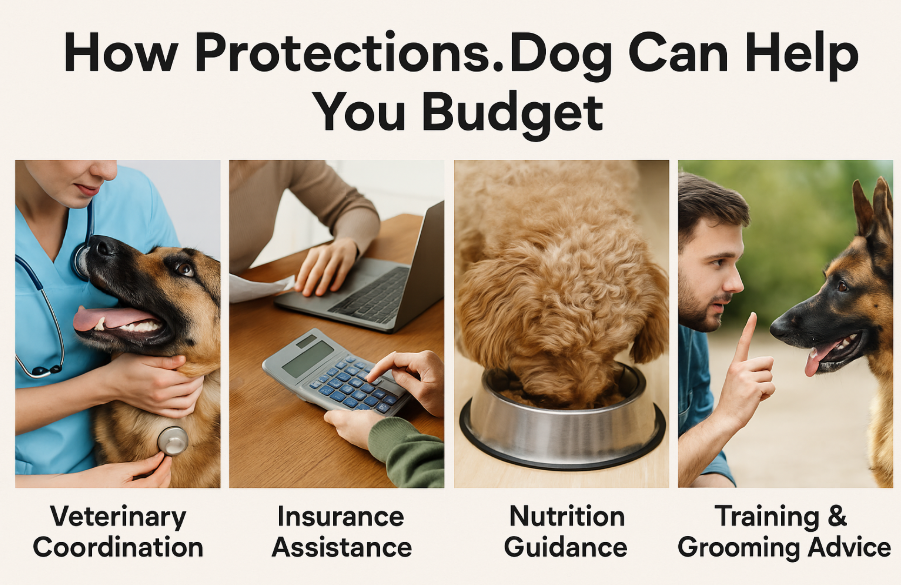
- Expert Veterinary Coordination: Ensuring your dog receives the safest possible care.
- Tailored Pre & Post-Procedure Plans: Personalized care guidelines for your dog’s specific needs.
- Full Health Assessments: Comprehensive check-ups to ensure anesthesia safety.
Your peace of mind is our mission! 😊