Cold Weather Injuries & Prevention 🐶
Winter can be a wonderful time filled with fun in the snow, hot chocolate, and cozy fires. But did you know cold weather can be tricky for your furry friend? Especially for your loyal protection dog. Dogs, just like humans, can get injured or sick when it’s too cold outside. Let’s learn about common cold-weather injuries, how to spot them, and what you can do to keep your protection dog healthy and happy! 🐾❤️
🥶 Common Cold Weather Injuries in Protection Dogs
1. Frostbite 🧊
Frostbite happens when your dog’s skin gets extremely cold. It usually affects paws, ears, and tails first.
Signs of Frostbite:
- Cold, pale skin
- Swelling
- Painful paws or ears
- Skin turning blue or gray
2. Hypothermia 🌡️
Hypothermia means your dog’s body gets dangerously cold. This happens when your dog stays outside in freezing weather too long.
Signs of Hypothermia:
- Shivering
- Weakness or tiredness
- Slow breathing
- Trouble walking or standing
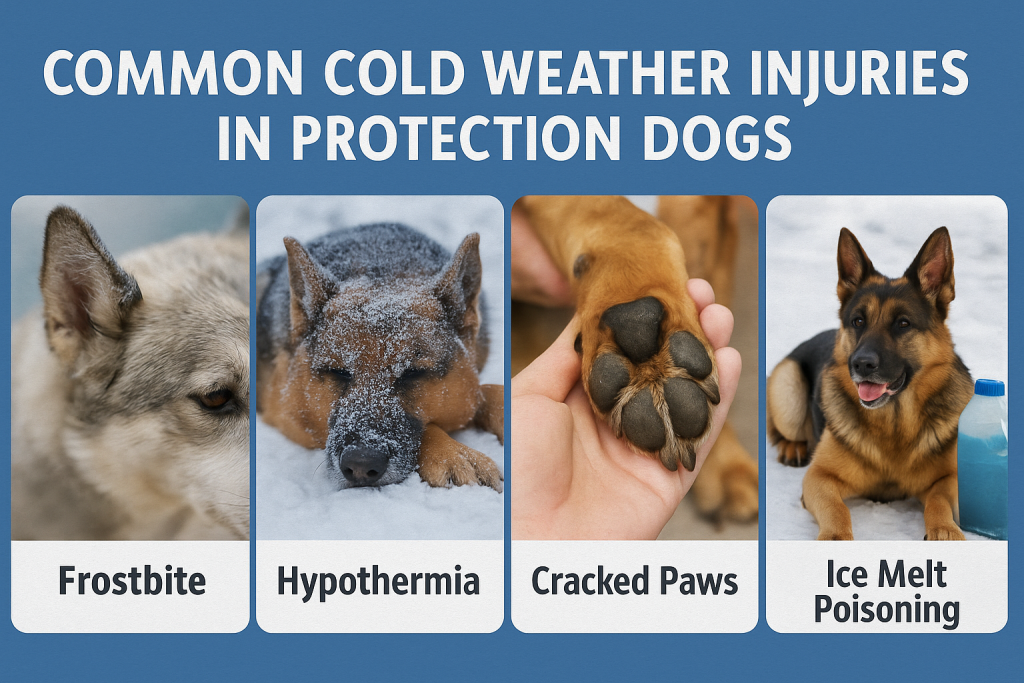
3. Cracked Paws 🐾
Ice, snow, and salt can make your dog’s paws dry and cracked, which can be painful.
Signs of Cracked Paws:
- Limping
- Red or bleeding paws
- Excessive licking
4. Ice Melt Poisoning ⚠️
Many sidewalks use special chemicals to melt ice. If your dog licks these chemicals off their paws, it can make them very sick.
Signs of Ice Melt Poisoning:
- Vomiting
- Diarrhea
- Excessive drooling
- Weakness
🌨️ How to Prevent Cold Weather Injuries in Your Protection Dog
Preventing cold-weather injuries is easy when you follow these helpful tips:
1. Keep Walks Short 🐕
Limit your dog’s outdoor time when it’s very cold or snowy. Shorter walks reduce the risk of frostbite and hypothermia.
2. Dress Them Warm 🧥
Yes, dogs need coats too! Choose a waterproof jacket that covers your dog’s belly and chest, especially for breeds with short fur like Dobermans or Belgian Malinois.
3. Protect Those Paws 🐾
Use dog booties or paw wax to keep paws safe from ice and harmful chemicals.
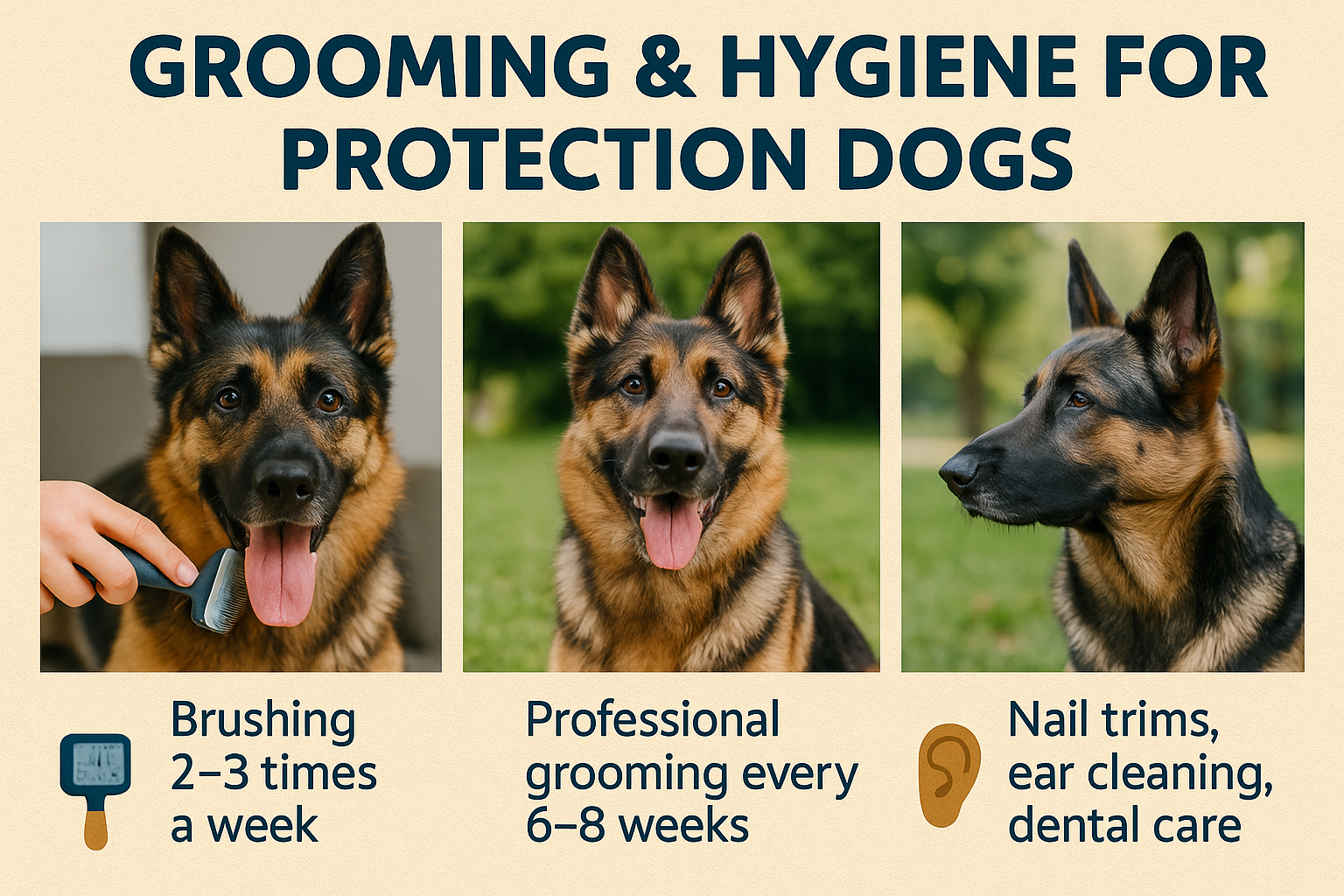
4. Clean Paws After Walks 🧼
Wash your dog’s paws after walks to remove ice melt chemicals, snow, or ice. It keeps your dog healthy and happy!
5. Provide a Warm Shelter 🏠
Always keep your protection dog inside during extreme cold. Provide a cozy, warm bed away from drafts or cold floors.
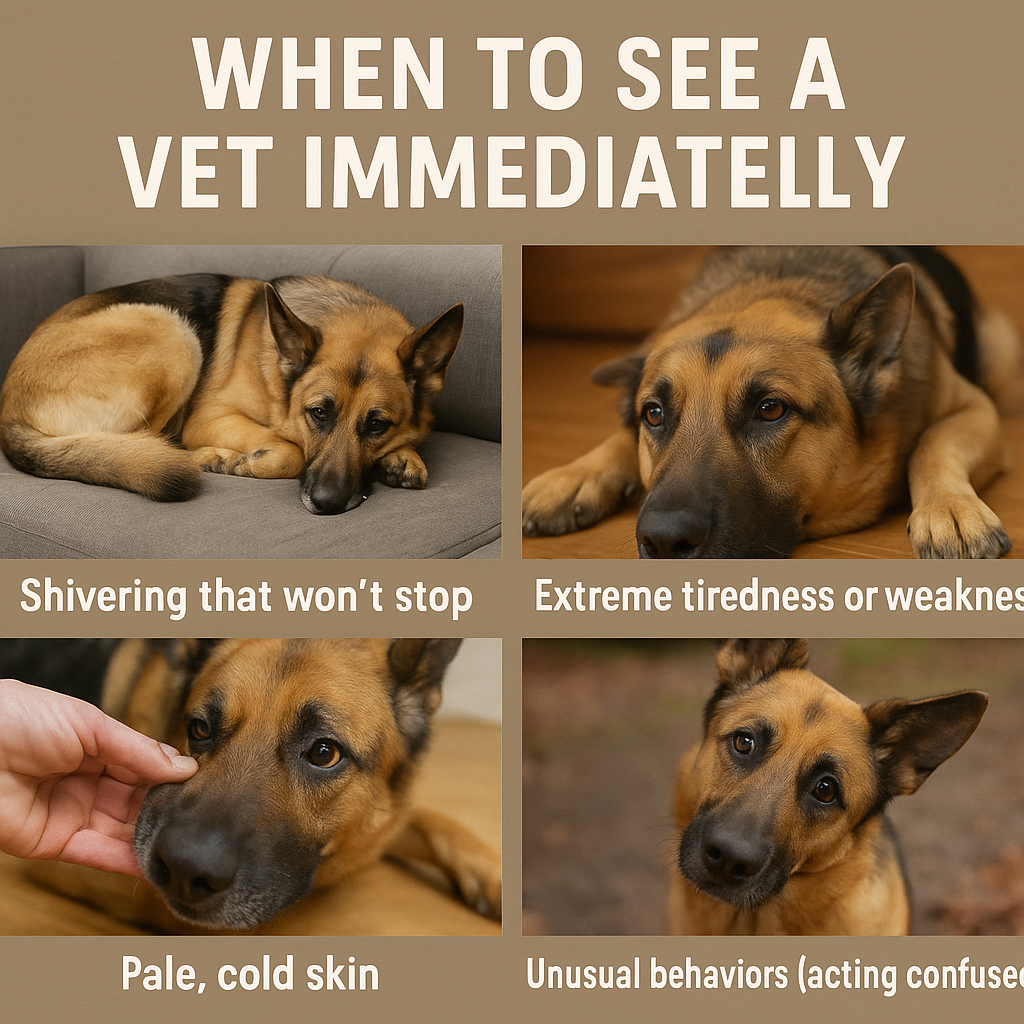
🩺 When to See a Vet Immediately
Call your vet right away if you notice these symptoms:
- Shivering that won’t stop
- Extreme tiredness or weakness
- Pale, cold skin
- Unusual behaviors (acting confused)
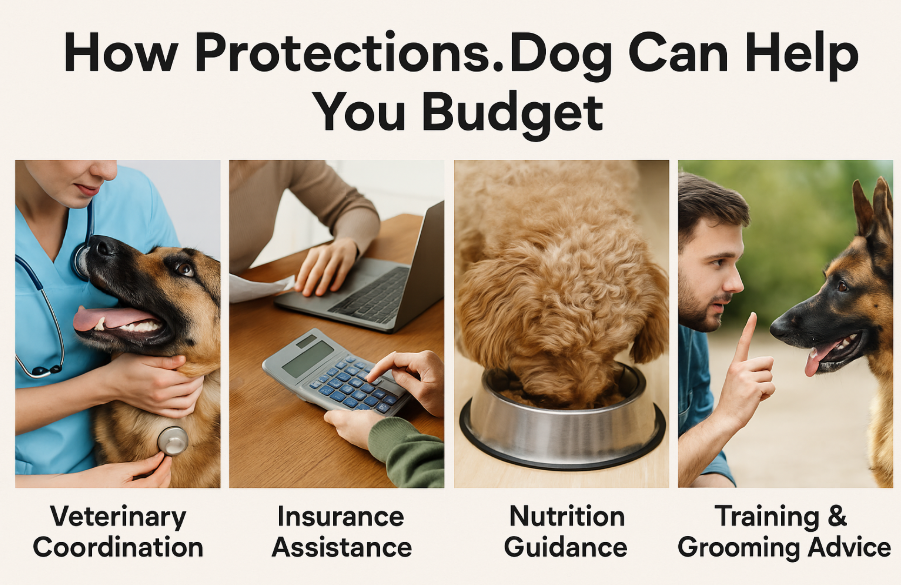
Our Veterinary Coordination service can help you find immediate care and support if your protection dog needs medical attention quickly.
📝 Protection Dog Cold Weather Care Checklist
Here’s a quick checklist to help you care for your dog during the cold months:
| Activity | How Often? | Tips |
|---|---|---|
| Check paws for cracks or sores | Daily | Use paw balm regularly |
| Shorten outdoor time | Every walk | Limit time to 15–20 minutes in extreme cold |
| Dress dog in warm clothing | Whenever going outdoors | Waterproof jackets are best! |
| Provide fresh water (unfrozen) | Daily | Use heated water bowls outdoors |
| Wipe paws after every walk | Every walk | Removes harmful ice melt chemicals |
| Monitor for hypothermia signs | Constantly in cold weather | Immediate vet care if signs appear |
🛡️ How https://protectiondogss.com/ Can Help You Keep Your Dog Safe
We know your protection dog is part of your family, and their health matters to you. At https://protectiondogss.com/, we offer special programs designed to keep your dog safe all year round, like:
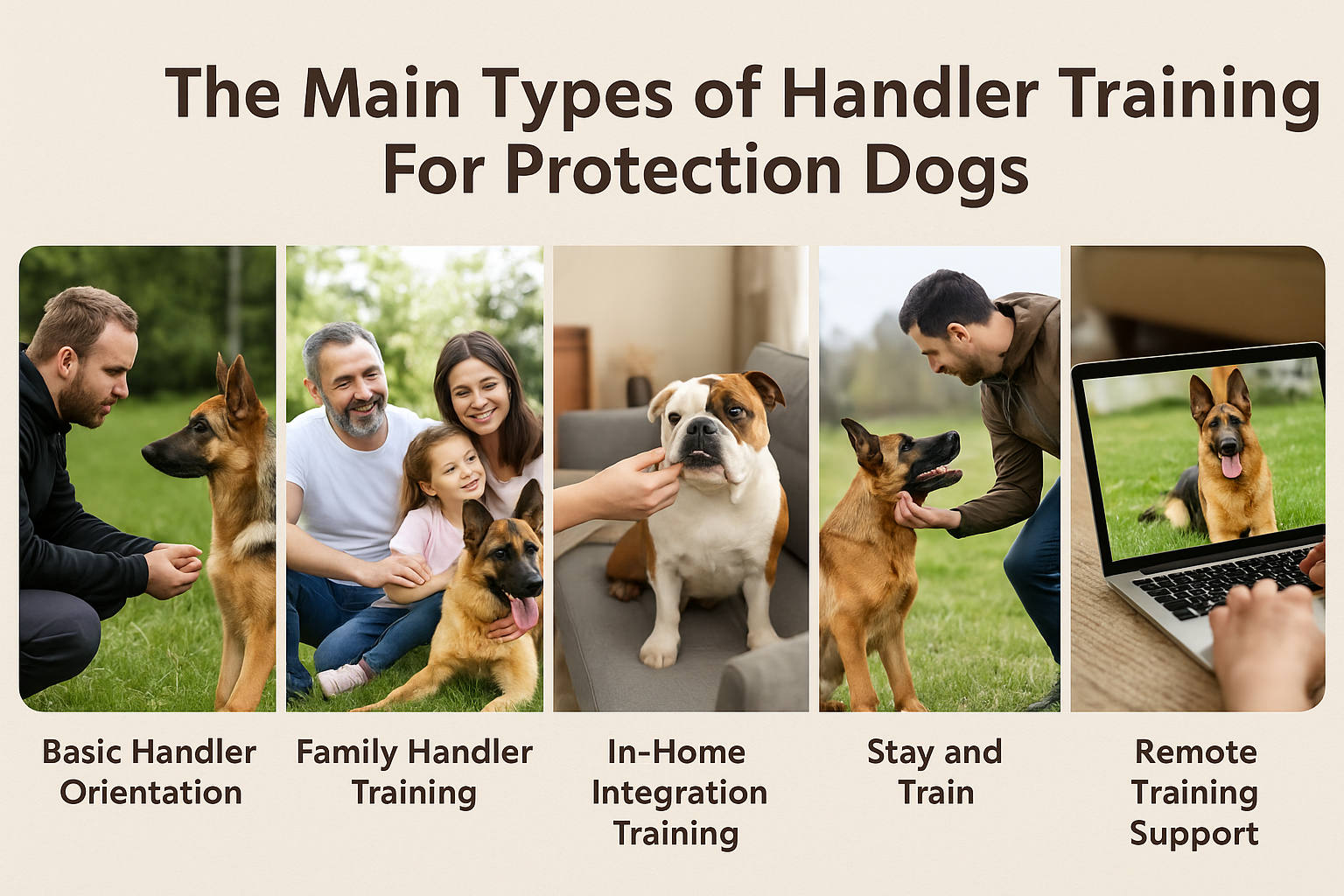
- In-Home Integration: Helping your dog stay comfortable inside your home.
- K9 Health & Wellness Program: Ensuring your dog is healthy throughout the year with regular checks and care.
- Remote Training Support: Immediate support and advice if you notice any unusual behavior or health concerns.
Your protection dog’s health and happiness are our top priority! 🐶❤️
❓ FAQs: Protection Dogs and Cold Weather
1. How cold is too cold for my protection dog?
When temperatures drop below 32°F (0°C), you need to take extra precautions. Below 20°F (-6°C), limit outdoor time significantly.
2. Can dogs get frostbite even if they have thick fur?
Yes, even dogs with thick fur like German Shepherds can get frostbite on their paws, ears, and tails.
3. Is ice melt always dangerous?
Not always, but many ice melts contain harmful chemicals. Always clean paws thoroughly after walks.
4. Should my protection dog wear boots?
Yes! Boots protect their paws from ice, snow, and harmful chemicals on sidewalks.
5. My dog seems fine after being outside in the cold. Should I still worry?
Keep watching for signs like limping, shivering, or changes in behavior. Some injuries, like frostbite, may show up later.
6. What if my dog refuses to wear boots?
Try paw wax or balm instead! It protects paws without needing boots.
Cold weather doesn’t have to be scary. With these simple tips and care, your protection dog can enjoy winter safely by your side.
Remember, your dog’s health is important to us at https://protectiondogss.com/, and we’re here to help you every step of the way! Stay warm, stay safe, and have fun this winter with your furry best friend! ❄️🐕❤️