Have you ever heard the phrase “prevention is better than cure”? Well, when it comes to protecting our furry friends, especially protection dogs, this couldn’t be truer! One common issue protection dogs might face is hip dysplasia. But don’t worry! At https://protectiondogss.com/, we’ll show you exactly how to keep your pup safe, healthy, and happy! 🐾❤️
What is Hip Dysplasia? 🦴🤔
Hip dysplasia sounds complicated, right? But it’s actually pretty simple. It’s when the hip joint of your dog doesn’t fit together quite right, causing it to wear down over time. Imagine a puzzle piece that doesn’t fit. That mismatch can cause pain, stiffness, and trouble moving.
Breeds That Need Extra Attention 🐕
Some dog breeds are more likely to have hip dysplasia. These usually include larger dogs or those used for special tasks, like protection dogs. At https://protectiondogss.com/, we focus on breeds like:
- German Shepherds
- Belgian Malinois
- Rottweilers
- Dobermans
- Cane Corsos
These breeds do great as protection dogs, but they also need extra care to keep their hips healthy.
Why Prevention Matters So Much 🚫💉
Treating hip dysplasia after it develops can be expensive and painful for your dog. Preventing it is easier, cheaper, and more comfortable for your furry buddy. At https://protectiondogss.com/, we believe keeping your dog healthy means fewer vet visits and a happier life together. 🐾🏡
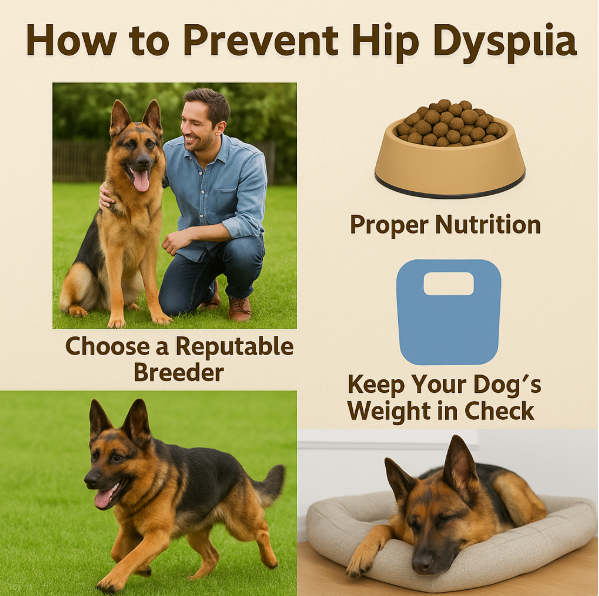
How to Prevent Hip Dysplasia 📝✅
Good news! You can follow easy steps to prevent hip dysplasia.
1. Choose a Reputable Breeder 🏅
Start your journey with a breeder who tests for hip dysplasia in parents. At https://protectiondogss.com/, we thoroughly evaluate all our dogs for healthy joints and overall wellness.
2. Proper Nutrition 🍗🥕
Feed your dog balanced meals with all the nutrients they need. Special puppy food is great for growing bones, while adults need food with joint-friendly ingredients.
3. Regular Exercise (But Not Too Much!) 🏃♂️🎾
Regular, moderate exercise helps keep joints healthy. Avoid jumping or strenuous exercise when your dog is still young and their joints are growing.
Check out our Daily Exercise Routines guide for easy ideas!
4. Keep Your Dog’s Weight in Check ⚖️🐾
Extra pounds put stress on joints. Keeping your dog lean will greatly reduce the risk of hip dysplasia.
5. Comfortable Living Environment 🛏️✨
Make sure your dog has a soft bed and avoids slippery floors. A comfy environment helps protect joints long-term.
Signs to Watch Out For 🚨👀
Even with good care, sometimes hip dysplasia happens. Look out for these signs:
- Difficulty standing up
- Limping or stiffness
- Bunny hopping instead of running normally
- Hesitation climbing stairs
If you spot any of these, visit your vet immediately!
How We Help You Protection Dog 🦸♀️🐶
At https://protectiondogss.com/, we go the extra mile for your protection dog’s health. Here’s how we can help:
| How We Help 🛠️ | Why It Matters 🤔 |
|---|---|
| Hip Screenings 📈 | Ensures you get a healthy dog from the start. |
| Nutrition Plans 🍽️ | Tailored meals to support strong joints. |
| Exercise Guidance 🎾 | Safe activities perfect for protection dogs. |
| Vet Coordination 🩺 | Easy management for regular check-ups and screenings. |
Explore more about our Veterinary Coordination services for hassle-free healthcare!
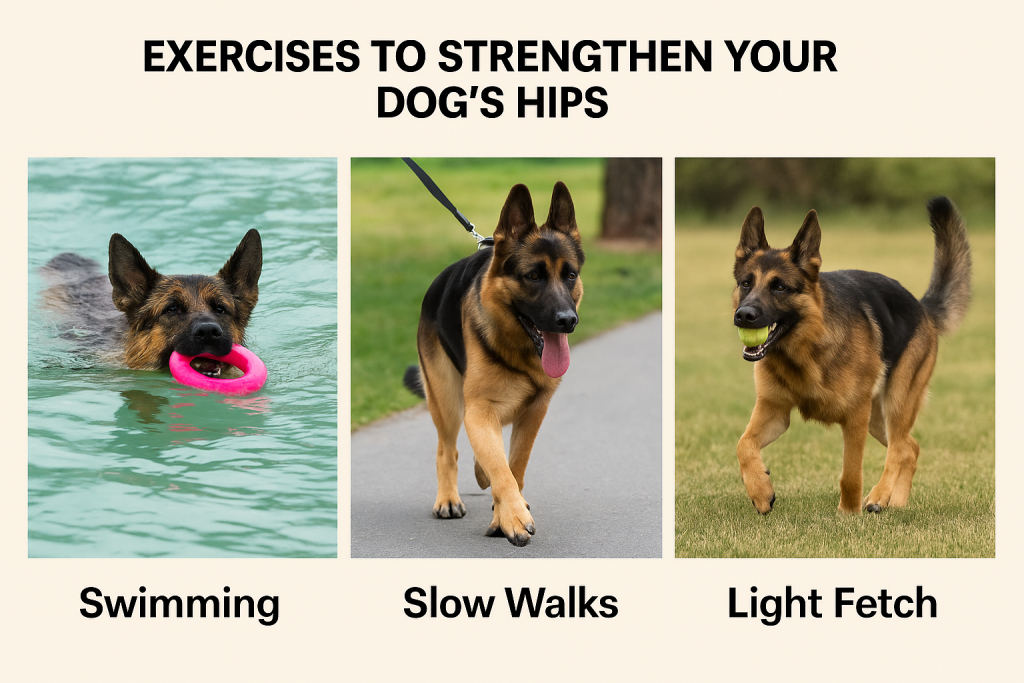
Exercises to Strengthen Your Dog’s Hips 🏋️♂️🐕
Let’s look at some fun exercises to strengthen your dog’s joints!
- Swimming 🏊♂️: Gentle on joints but great exercise.
- Slow walks 🚶♂️: Gradual muscle building without strain.
- Light fetch 🎾: Keeps muscles toned.
Read more fun ideas in our Mental Stimulation Games post!
When to Visit the Vet 🩺⏰
Regular check-ups help catch hip problems early. Visit your vet if your dog shows any discomfort or unusual movements. Remember, early action can mean less pain for your furry friend!
Frequently Asked Questions (FAQs) ❓🐾
1. What exactly causes hip dysplasia?
It’s often genetic but can worsen with obesity, improper exercise, or poor nutrition.
2. At what age can dogs show signs of hip dysplasia?
Symptoms usually start between 6 and 18 months but can appear anytime.
3. Can hip dysplasia be cured?
There’s no cure, but it can be managed with proper care, exercise, and medication.
4. Is hip dysplasia painful?
Yes, it can cause pain, stiffness, and difficulty moving.
5. Can small dogs get hip dysplasia?
They can, but it’s more common in large breeds like German Shepherds or Rottweilers.
6. Should I avoid adopting a dog breed prone to hip dysplasia?
No, just be prepared to take preventative measures and choose responsible breeders, like us at https://protectiondogss.com/!
Happy Hips, Happy Dog! 🐶🎉
Taking care of your protection dog’s hips isn’t complicated. It just needs some attention, love, and preventive action. At https://protectiondogss.com/, we’re committed to helping you raise the happiest, healthiest protection dog possible.
Remember, good joint health today means a happier, more active dog tomorrow! 🐾❤️
For more tips, advice, and resources on caring for your protection dog, keep visiting us at https://protectiondogss.com/blog. Let’s keep your furry guardian fit, happy, and protecting your family for years to come! 🏡🐶🌟