Training elite protection dogs requires more than discipline, skill-building, and nutrition. One of the most overlooked yet crucial factors in performance and overall health is hydration during training. Just as top athletes rely on optimal fluid balance to achieve peak results, protection dogs need tailored hydration strategies to perform at their best. At Topcha K9, we specialize in not only breeding and training world-class protection canines but also guiding families and individuals on how to provide the best possible care, including hydration management.
Now, we’ll learn about the science of hydration, strategies during training, hydration tools, warning signs of dehydration, and practical routines for keeping your elite canine protector healthy and powerful.
Why Hydration Matters for Protection Dogs
Hydration is vital for every living being, but when it comes to protection dogs, who undergo intensive training sessions, high-alert work, and sometimes prolonged physical exertion, it becomes a matter of performance, safety, and even life or death.
Water plays many key roles in a protection dog’s body:
- Temperature Regulation: Dogs cannot sweat the same way humans do; they rely on panting and limited sweat glands in their paws. Water helps maintain body temperature, especially during demanding training.
- Joint Lubrication: Active dogs need hydrated joints to move without stiffness or pain.
- Muscle Performance: Muscles need proper fluid balance to avoid cramps and fatigue.
- Circulation & Recovery: Adequate hydration supports blood flow and nutrient transport, speeding up recovery after strenuous activity.
- Cognitive Function: Hydration directly impacts alertness, focus, and reaction times, essential qualities in a guardian dog.
At Topcha K9, we emphasize that elite protection is not just about obedience and strength, it’s about maintaining a state of readiness and resilience, which hydration directly influences.
How Much Water Does a Protection Dog Need?
The daily water needs of protection dogs vary depending on size, diet, weather, and activity level. A general estimate is:
| Dog Weight | Average Daily Water (Inactive) | During Training/Active Days |
|---|---|---|
| 50 lbs (23 kg) | 40-50 oz (1.2-1.5 L) | 70-90 oz (2-2.7 L) |
| 70 lbs (32 kg) | 55-70 oz (1.6-2 L) | 95-120 oz (2.8-3.5 L) |
| 90 lbs (41 kg) | 70-90 oz (2-2.7 L) | 120-150 oz (3.5-4.4 L) |
Factors Influencing Needs:
- Heat & Humidity: Dogs training outdoors in hot climates may require double their normal intake.
- Diet: Dry kibble-fed dogs need more water compared to raw-fed dogs whose meals contain natural moisture.
- Training Intensity: Endurance, bite work, and agility drills increase water requirements.
The Role of Hydration in Training Sessions
Protection dog training is intense and tactical. Hydration must be factored into the training process, not left as an afterthought.
Pre-Training Hydration
- Offer water at least 30 minutes before training to allow for absorption without causing stomach upset.
- Avoid over-hydrating right before exercise to reduce risk of bloat, especially in large breeds like German Shepherds or Belgian Malinois.
Hydration During Training
- Provide small amounts of water breaks every 15–20 minutes, especially during long sessions.
- Use portable hydration systems for outdoor drills or estate perimeter exercises.
Post-Training Hydration
- Dogs should replenish fluids immediately after training.
- Adding electrolyte solutions designed for canines can aid recovery and replace lost salts.
Signs of Dehydration in Protection Dogs
Recognizing dehydration early is critical. Elite canine handlers should be trained to monitor hydration status at all times.
| Symptom | Description | Severity |
|---|---|---|
| Excessive Panting | Heavy, prolonged breathing | Mild to Severe |
| Dry Gums | Sticky or pale gums | Moderate |
| Sunken Eyes | Hollow appearance | Moderate to Severe |
| Lethargy | Low energy, unwilling to train | Severe |
| Loss of Skin Elasticity | Skin doesn’t spring back when pinched | Severe |
| Collapse | Heat stroke or dehydration shock | Emergency |
At Topcha K9, we teach every client how to perform a quick hydration test by gently lifting the dog’s skin on the neck or shoulders. If it doesn’t snap back quickly, dehydration may be present.
Hydration Tools for Training Sessions
The right gear can make hydration management seamless and effective.
| Tool | Benefit | Best Use Case |
|---|---|---|
| Collapsible Water Bowls | Portable, lightweight | Field training, estate patrol |
| Hydration Packs for Dogs | Carries water on the dog’s back | Long-distance drills, estate perimeter runs |
| Handlers’ Hydration Belts | Bottles attached to trainer | Quick water access during drills |
| Cooling Vests | Keeps dog’s body cool | Hot climates, summer sessions |
| Electrolyte Powders | Replenishes salts | After endurance training |
Topcha K9 provides elite families with curated hydration kits tailored for their dog’s training lifestyle.
Hydration Challenges for Elite Protection Dogs
Even wealthy estates and executive-level families face specific hydration concerns when working with their protection dogs:
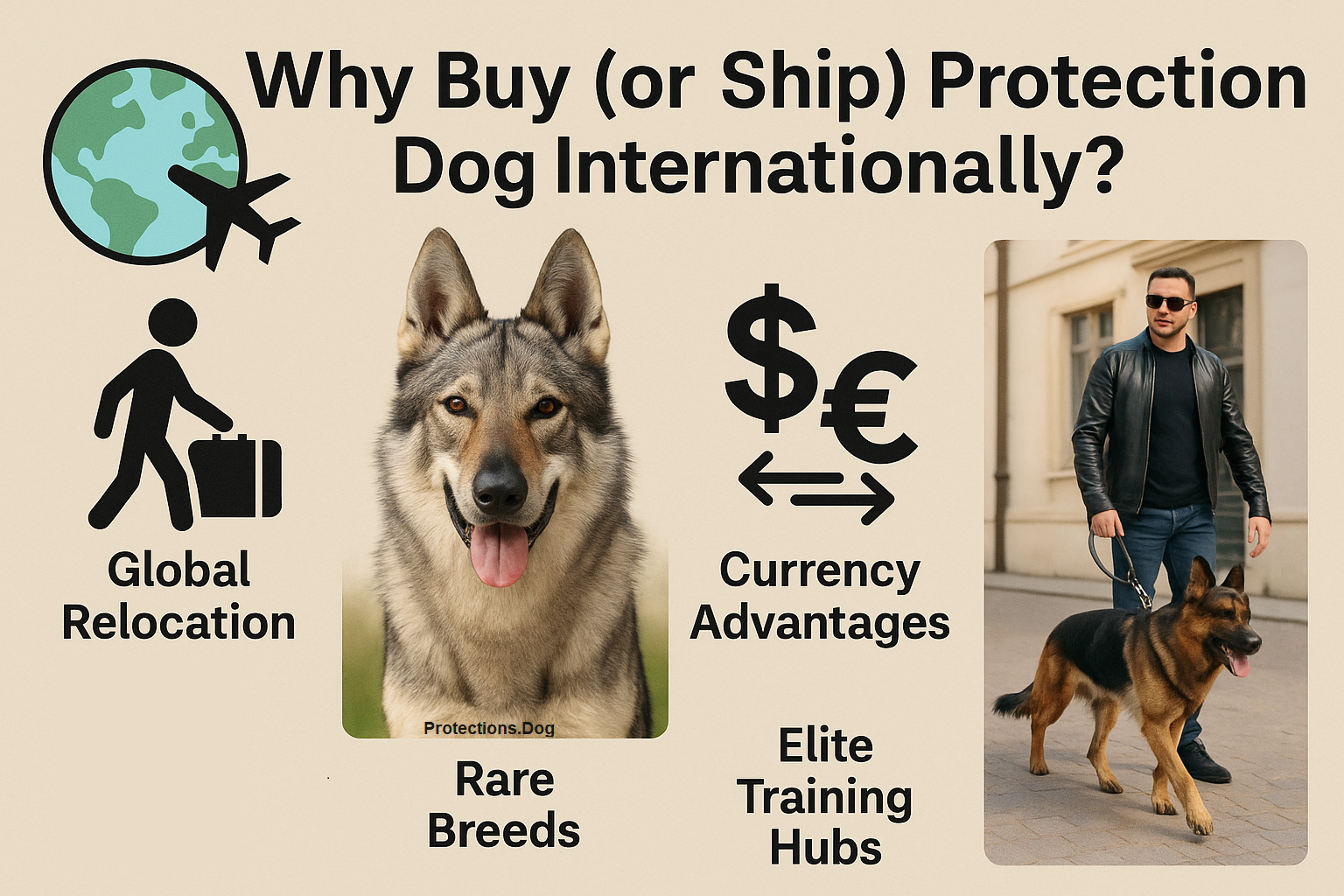
- Travel & Relocation – Dogs moving between climates (Europe to Middle East, for example) must adapt quickly to hydration demands.
- Stress During Training – Stress can reduce a dog’s willingness to drink. Trainers must encourage hydration through routine.
- Specialized Diets – High-protein or dry diets can increase water needs.
- Working in Armor or Gear – Some protection dogs wear harnesses or protective vests, increasing body heat and fluid loss.
At Topcha K9, we assess each dog’s lifestyle, travel routine, and working environment to create hydration protocols that prevent risks and keep performance consistent.
Advanced Hydration Strategies
For high-value protection dogs, hydration management goes beyond simple water access.
- Electrolyte Solutions: Just like athletes, dogs may benefit from veterinary-approved electrolyte solutions after heavy exertion.
- Hydration Timing: Instead of large amounts at once, Topcha K9 recommends frequent, smaller hydration intervals.
- Hydration-Infused Nutrition: Offering fresh foods like raw meats, bone broth, or water-rich fruits (safe ones like cucumber or watermelon) can increase hydration naturally.
- Climate-Adaptive Hydration: Adjust hydration schedules for desert, tropical, or cold environments where body heat regulation changes.
- Training Integration: Build hydration into training commands, teaching the dog to pause and hydrate on cue.
How Topcha K9 Helps Elite Families
Topcha K9 is more than a premier protection dog provider, we are a lifestyle partner for high-value families. Our role extends into every aspect of canine care, including hydration strategies.
We provide:
- Personalized Hydration Protocols for each dog based on breed, size, and training intensity.
- Custom Hydration Gear packages with vetted equipment.
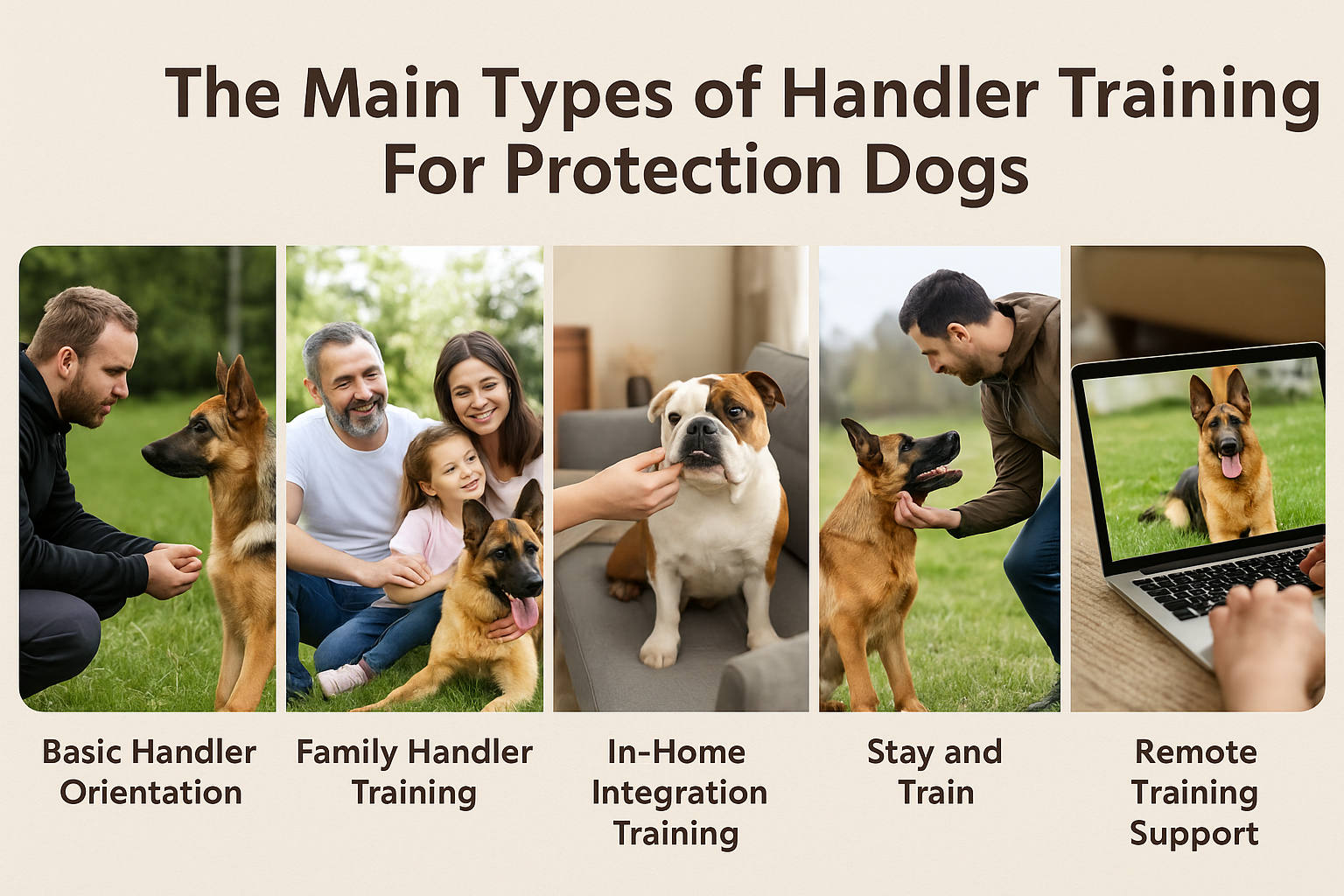
- Handler Training for recognizing dehydration and heat stress.
- Nutritional Guidance integrating hydration-friendly meals.
- Ongoing Support for families traveling with dogs across different climates.
When you choose Topcha K9, you’re not just securing an elite guardian, you’re ensuring they remain in peak health and readiness at all times.
FAQs
What is the best way to hydrate my dog during hot-weather training?
Provide small, frequent water breaks every 10-15 minutes and use cooling gear like vests or shaded rest areas.
Can protection dogs drink electrolyte water made for humans?
No, human electrolyte drinks often contain sugars and artificial additives harmful to dogs. Use only canine-specific solutions.
How do I encourage my dog to drink more during training?
Make hydration part of the training routine, offer fresh cool water, and consider flavor enhancers like low-sodium broth.
How much water should my Belgian Malinois drink on training days?
On active training days, a 60-70 lb Belgian Malinois may need 90–120 oz of water, depending on heat and intensity.
Can dehydration affect my dog’s performance?
Yes, even mild dehydration reduces stamina, slows reaction time, and puts your dog at risk of overheating and serious health complications.
Hydration during training is not just a detail, it is a foundation of performance, safety, and longevity for elite protection dogs. Whether your canine is guarding a private estate, traveling globally, or training for tactical defense, maintaining proper hydration ensures they remain sharp, strong, and resilient.
At Topcha K9, we believe hydration is as critical as obedience training and nutrition. By combining science-backed hydration strategies with personalized guidance, we make sure that every protection dog entrusted to us performs at their highest level while staying healthy.
For elite families and high-value individuals, investing in hydration care means investing in the long-term reliability of your protector. With the right protocols, tools, and expertise from Topcha K9, your canine guardian will not only excel in training but also live a longer, stronger, and more balanced life by your side.