A Complete Guide for Calm & Confidence
Having a brave, loyal protection dog doesn’t mean they’re fearless all the time. Just like people, dogs can feel nervous too! 🐾 Whether your furry protector is spooked by loud sounds, strangers, or being left alone, it’s important to learn how to help them feel safe, confident, and loved.
At https://protectiondogss.com/, we don’t just train protection dogs, we build confident companions who thrive with their families. If your dog feels anxious, we’re here to guide you with love, training, and trust. Let’s learn about the world of anxiety in protection dogs and how you can help them shine! 🌟📝
- Protection dogs can feel anxious from changes, fear, or past trauma.
- Signs include shaking, barking, hiding, or pacing.
- Comfort, training, and support from https://protectiondogss.com/ can make a big difference.
- Learn step-by-step how to calm your dog in any situation.
- Use play, enrichment, vet care, and trusted routines to build their confidence.
- Explore our services like Family Handler Training and K9 Health & Wellness for extra help.
What Does Anxiety Look Like in Dogs? 🐕😟
Even strong, brave dogs like German Shepherds, Belgian Malinois, and Dobermans can struggle with anxiety.
Here are some common signs:
| Behavior | What It Means |
|---|---|
| Pacing or restlessness | Feeling unsure or on edge |
| Whining or barking | Asking for help or attention |
| Hiding or avoiding | Scared or overwhelmed |
| Shaking or trembling | High stress levels |
| Destructive chewing | Trying to release nervous energy |
| Accidents in the house | Stress can upset potty habits |
| Growling or snapping | Defensive fear behavior |
It’s not bad behavior—it’s a cry for help. 🆘 Your dog needs your patience and guidance.
Common Triggers for Protection Dog Anxiety 🚨
Understanding what sets your dog off is the first step toward helping them. Here are a few things that may cause anxiety:
- Loud Noises: Thunder, fireworks, sirens
- New Environments: Moving homes, visiting hotels, or going to the vet
- Separation: Being left alone or away from family
- Crowds or Strangers: Too much stimulation at once
- Other Dogs: Not being socialized or past trauma
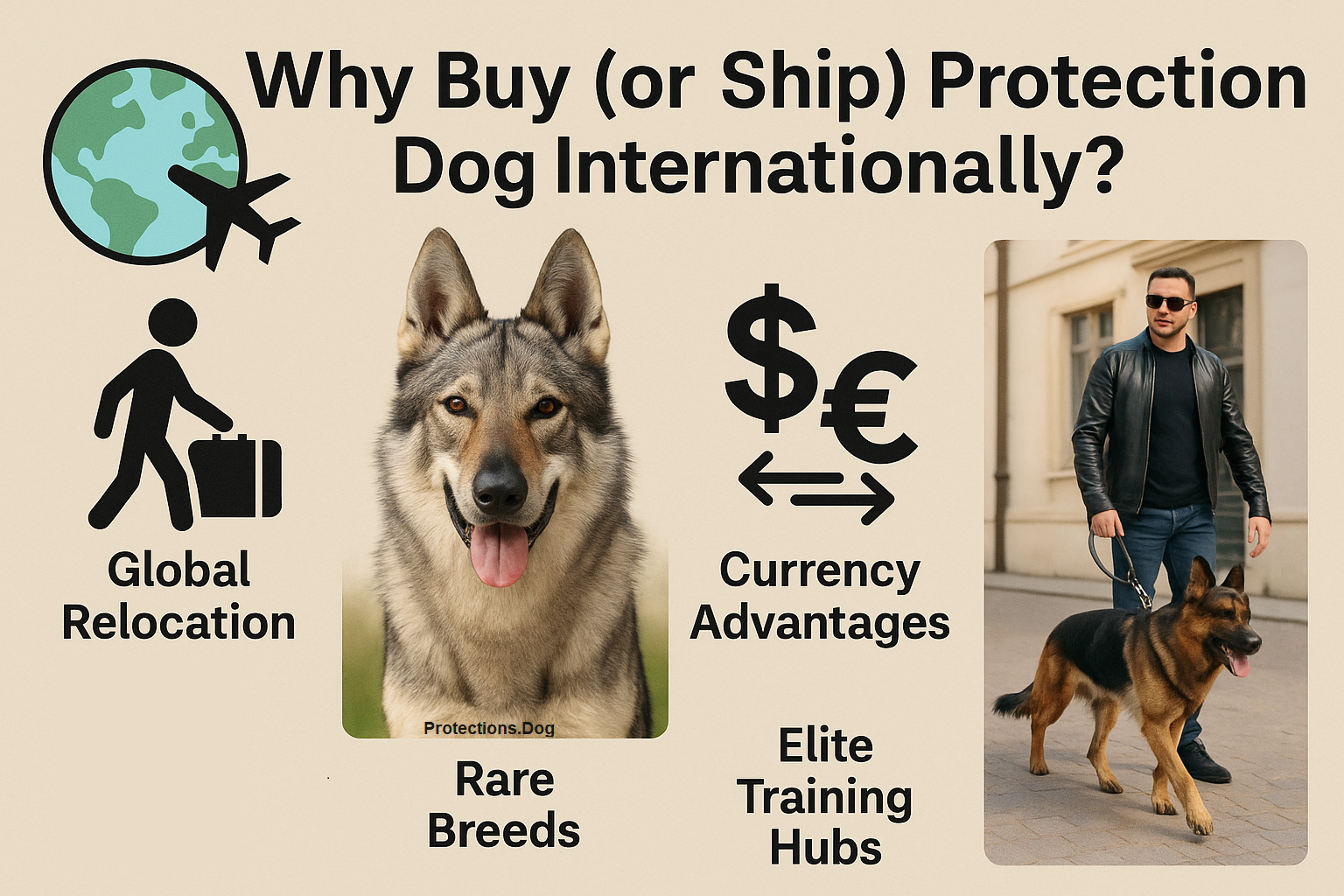
- Travel: New smells, sounds, or crate time can be overwhelming
💡 Want to avoid these issues on trips? Read our Traveling with a Protection Dog blog.
Why Protection Dogs Get Anxious 😔🦴
You might think a protection dog should be 100% confident. But they’re still animals with hearts, memories, and feelings. Anxiety often comes from:
- Early life experiences: Puppies from poor breeders may lack early social training.
- Past trauma: Rescue dogs or improperly trained dogs may carry fears.
- Breed sensitivities: Some breeds like Giant Schnauzers and Boerboels are alert and may stress more easily.
- Overtraining: Harsh techniques can backfire and cause emotional shutdown.
That’s why we focus on balanced, humane, and relationship-based training at https://protectiondogss.com/.
How to Help an Anxious Protection Dog 🛠️🐕
Here’s a powerful step-by-step routine you can follow at home to help your dog feel safe and supported.
Step 1: Stay Calm and Be the Leader 🧘
Dogs mirror YOUR energy. If you panic, they panic. Breathe slowly, use a gentle voice, and stand confidently. You’re their rock! 🪨
Step 2: Create a Safe Space 🏠
Set up a cozy corner with:
- A crate (see Crate Training Essentials)
- A soft blanket or bed
- Their favorite toys
- Low lighting
- Calming scents like lavender
Never force them to stay, just let them retreat when needed.
Step 3: Use Positive Training 🎾
Training builds trust and control.
- Use clicker or reward-based methods
- Keep commands simple (sit, stay, come)
- Celebrate small wins with treats or praise 🐾
Try daily 5–10 minute sessions to boost confidence.
Step 4: Build Routine 🕒
Dogs love structure!
| Time of Day | Activity |
|---|---|
| 7:00 AM | Morning walk 🐕🦺 |
| 9:00 AM | Puzzle toy or enrichment game 🧠 |
| 12:00 PM | Potty + cuddle break 💕 |
| 3:00 PM | Calm crate time 🛏️ |
| 5:00 PM | Evening play or obedience game 🎾 |
| 8:00 PM | Quiet time & bedtime 💤 |
Consistency reduces stress big time!
Step 5: Provide Exercise 🏃
A tired dog = a calm dog. Tailor activities to their breed:
- Cane Corsos love long structured walks
- Dutch Shepherds excel in agility
- Rottweilers enjoy tug-of-war or scent games
Need more ideas? Check out our Daily Exercise Routines post!
Tools and Toys That Help With Anxiety 🧸💡
There are many helpful products that ease stress:
| Tool | What It Does |
|---|---|
| Thundershirt | Wraps dog in pressure for calming |
| Snuffle Mats | Makes them use nose = brain workout |
| Kong Toys | Keeps them busy and distracted |
| Calming Music | Soothes ears and mind 🎶 |
| Pheromone Sprays | Mimics natural dog “feel safe” scent |
But remember: no tool replaces love, training, and patience.
Our Expert Services to Calm & Support Your Dog 🛠️🐾
At https://protectiondogss.com/, we specialize in preparing dogs and families , for success. If you’re feeling stuck or unsure, our team offers:
- In-Home Integration Support: Calm introductions to new environments and routines
- K9 Health & Wellness Program: Vet help, nutrition, behavior assessments
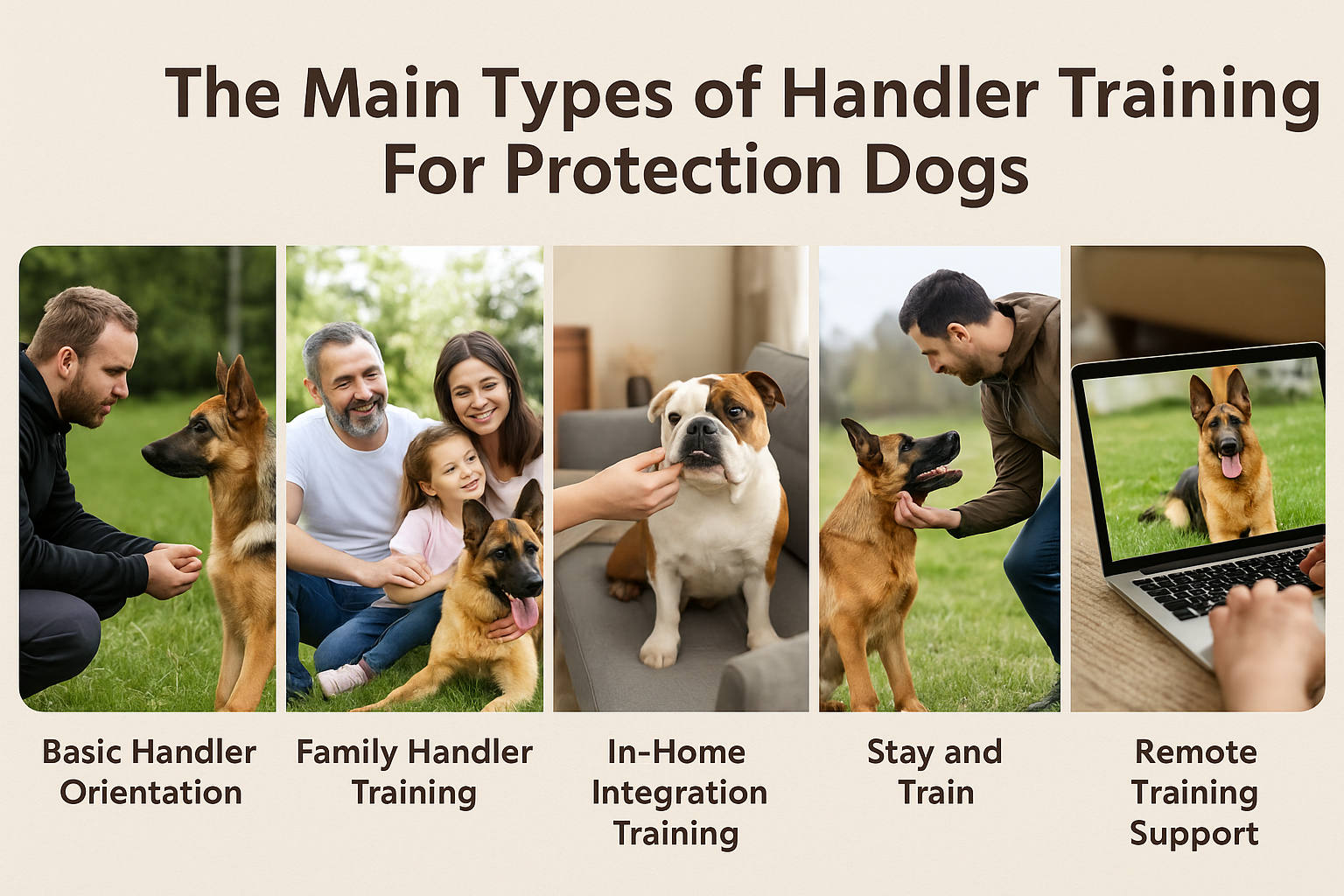
- Family Handler Training: Build trust and confidence through teamwork
- Training Refresh Programs: Reset behaviors and boost obedience in a loving way
When to Call a Professional 📞🐾
Some anxiety needs more help than at-home care. Reach out if:
- Your dog growls or bites
- They harm themselves (chewing paws, tail chasing)
- You feel scared, frustrated, or unsure
- You’ve tried everything with no change
We can work with you through gentle techniques and clear strategies. No shame. No blame. Just progress. 💪
Best Dog Breeds for Lower Anxiety 😌🐕
If you’re still choosing a protection dog, some breeds tend to be more naturally relaxed:
| Breed | Personality |
|---|---|
| American Alsatian | Calm, stable, low prey drive |
| Great Dane | Gentle giants, patient |
| Black Russian Terrier | Confident and adaptable |
| Boxer | Fun-loving and loyal |
| Staffordshire Terrier | Devoted and brave |
We help match the right dog to your lifestyle on our Dogs for Sale page.
Can Enrichment Help With Anxiety? 🧠💕
Yes! big time! Mental play calms nerves and keeps your dog sharp. Try:
- Puzzle toys
- Scent games
- Obstacle courses
- Name-recognition with toys
- Hide-and-seek
Visit our full guide on Mental Stimulation Games for easy, fun ideas.
Real-Life Example: Max the Nervous Malinois 🐶❤️
Max was a 2-year-old Belgian Malinois who barked nonstop when left alone. His family called us for help. We used:
- Crate training to build comfort
- Gradual departure routines
- Training games to focus his mind
- Calming toys + enrichment
- Family bonding time
Within 3 weeks, Max could stay home alone without barking or pacing! He’s now a confident companion, happy to serve and protect.
Calming an Anxious Dog 🌈
- Never yell or punish, they’re already scared 😞
- Use gentle voices and slow movements
- Be patient, it may take weeks or months
- Celebrate even small progress
- Lean on us at https://protectiondogss.com/ you’re not alone!
FAQs About Anxious Protection Dogs 🧠❓
Can protection dogs be both anxious and protective?
Yes! A dog can be loyal and brave, yet still feel nervous in certain situations. Anxiety doesn’t mean they can’t protect, it means they need support and love.
Is anxiety permanent in dogs?
Not always. With the right care, many dogs overcome or greatly reduce their anxiety. We’ve seen amazing transformations with our Training Programs.
Should I use medication for my dog’s anxiety?
In severe cases, yes, with a vet’s guidance. But always try training, enrichment, and environment changes first. Our K9 Wellness Team can help advise.
Is crate training helpful for anxious dogs?
Absolutely, if done right! Crates give dogs a sense of control and calm. Check our Crate Training Essentials blog for a full how-to.
Can an anxious dog still guard my home?
Yes, but they’ll do it better when they feel safe and confident. Anxiety can cloud judgment, so addressing it actually boosts their performance.
Need help calming your anxious protector? 💌
Visit https://protectiondogss.com/ to explore our expert services, training plans, and custom dog matches. With the right care, your dog can go from nervous to noble, just like they were born to be.
🦴 Calm hearts build powerful protection. Let’s help yours today.