Helping your puppy grow up brave and strong is one of the BEST things you can do! 🦴 A confident protection dog isn’t born, it’s made with love, smart training, and lots of practice.
Now, we’ll teach you how to help your protection puppy become bold, calm, and ready to protect you 🛡️. Whether you have a German Shepherd, Belgian Malinois, Doberman, Cane Corso, or any other amazing breed, confidence training is the foundation for their future.
At https://protectiondogss.com/, we raise all our dogs with structured confidence-building programs from day one. Ready to learn how we do it? Let’s get started! 🐾
🎯 Why Confidence Matters in Protection Dogs
Confidence is like a superpower for your pup 💥. It helps them:
- Stay calm under pressure
- Focus even in noisy or new places
- Respond to threats without fear
- Make great decisions without panicking
Without confidence, a protection dog might become nervous, shy, or too reactive. But with the right guidance, your puppy will grow into a dog you can trust anywhere, at home, in public, or during emergencies.
🧠 The Science of Puppy Confidence
Puppy brains are like sponges between 3 and 16 weeks old 🧽. This is called the critical socialization period. It’s when puppies learn what’s safe and what’s scary.
Everything they experience during this time, sights, sounds, people, surfaces, can shape their future confidence. That’s why we start training so early at https://protectiondogss.com/.
If you miss this window, don’t worry! Older pups can still grow with the right help (we offer training support too!).
📋 Confidence-Building Checklist by Age
Here’s a simple chart to guide what to focus on as your puppy grows:
| Puppy Age | Focus Areas | Confidence Activities |
|---|---|---|
| 3–8 weeks | Safe exposure, gentle touch | Introduce handling, household sounds, toys |
| 8–12 weeks | Socialization, mild stress | Vet visits, car rides, meeting friendly dogs |
| 12–16 weeks | Obedience basics, surfaces | Steps, elevators, slick floors, crates |
| 4–6 months | Structure, play confidence | Tug games, stairs, carrying odd items |
| 6–12 months | Obedience in public, impulse control | Store visits, walking near distractions |
| 1 year+ | Advanced confidence work | Mock threats, obstacle courses, stranger neutrality |
🐕🦺 Confidence Training the Protection Dog Way
At https://protectiondogss.com/, we use proven confidence-building methods that work with any breed.
🏗️ 1. Build Through Structure
Puppies feel safe when they know what’s coming next.
✅ Set clear routines for meals, potty, sleep
✅ Use a crate as their “calm cave” 🛏️
✅ Reward calm behaviors with praise and treats
✅ Avoid chaos, no shouting or wild environments
We offer crate training essentials to help get started the right way.
🐾 2. Explore New Surfaces and Spaces
Walking on different textures builds body confidence.
🟢 Try:
- Wood floors
- Metal grates
- Sand or gravel
- Grass
- Balancing on wobble boards
🌟 Pro Tip: Use treats and happy voices to turn nervousness into fun! 🎉
👂 3. Desensitize to Sounds
Loud noises can scare pups unless they’re introduced early.
🔊 Play recordings of:
- Thunderstorms ⛈️
- Sirens 🚨
- Babies crying 👶
- Skateboards 🛹
- Fireworks 🎆
Start soft and pair with yummy treats. Learn more in our noise desensitization guide.
🧸 4. Use Confidence Toys
Toys that make your pup think or solve problems help grow courage and focus.
Great toys include:
- Snuffle mats
- Puzzle feeders
- Tug ropes
- Flirt poles
- Kongs with peanut butter 🥜
We review the best safe toys for protection puppies too!
🧍 5. Meet All Kinds of People
Expose your pup to different:
- Heights (kids and tall adults)
- Genders and races
- Uniforms (police, delivery drivers, etc.)
- Movements (wheelchairs, canes, joggers)
🧠 Tip: Ask people to ignore your puppy at first. Let your pup choose to engage calmly.
🐶 6. Introduce Calm Adult Dogs
Well-behaved adult dogs can show your puppy how to act 👑. Choose dogs that:
✅ Don’t jump
✅ Don’t bark constantly
✅ Don’t play rough
✅ Have good manners
💡 Avoid dog parks! They’re often too chaotic. Instead, set up playdates or visit trusted dog professionals.
👩👧👦 7. Family Roleplay Games
Let your kids and family help!
- Dress up silly 🧙
- Walk with crutches or hats
- Ring doorbells
- Pretend to argue (lightly)
- Knock loudly and cheer
It’s all part of the dog learning to stay calm in life’s ups and downs.
Want help training with kids? Check out our family-friendly training games post.
🧱 8. Confidence Drills with Obstacles
You don’t need fancy tools, just imagination!
Try these fun drills:
| Obstacle | Benefit |
|---|---|
| Cardboard tunnel | Builds bravery in tight spaces |
| Pool noodles to walk through | Encourages forward motion |
| Kids slide | Confidence with heights and motion |
| Wobble board | Improves body awareness |
| Jump onto a low bench | Builds physical courage |
📍 Confidence Is Not “Fearless”
⚠️ A brave dog is not a reckless dog. We want calm bravery, not wild risk-taking. Confidence building teaches the dog that even when unsure, it can trust YOU.
That’s why everything we do at https://protectiondogss.com/ is rooted in calmness, trust, and structure.
📦 What We Include in Our Training Programs
When you get a dog from https://protectiondogss.com/, here’s what confidence building includes:
✔️ Socialization with over 50+ people
✔️ Surface training (tiles, concrete, grass, water)
✔️ City walks, elevator rides, stairs
✔️ Environmental noise desensitization
✔️ Structured games for body control
✔️ Family member and child interaction
✔️ Early drive shaping and prey play
✔️ Calm recovery after exposure
✔️ Introduction to bite work (if appropriate for age)
Whether you choose a German Shepherd, Belgian Malinois, Doberman, or Cane Corso, we help them become rock-solid from the start 💪.
🤔 Common Mistakes in Confidence Training
Let’s make sure you avoid these:
❌ Pushing too hard, too fast
❌ Yelling or forcing during new experiences
❌ Skipping the early socialization window
❌ Thinking “more chaos = more bravery”
❌ Avoiding hard situations altogether
Remember: Slow is smooth, and smooth is fast. 🐢
🦮 Breeds That Benefit Most
Some dogs need confidence training more than others. Here’s how common breeds tend to respond:
| Breed | Confidence Level | Needs More Support? |
|---|---|---|
| German Shepherd | Medium-High | Sometimes |
| Belgian Malinois | High Drive | Yes, early focus needed |
| Cane Corso | Protective | Yes, may be sensitive |
| Rottweiler | Balanced | Needs calm exposure |
| Doberman | Smart, alert | Yes, often sound-sensitive |
| Dutch Shepherd | Active, bold | Still benefits |
| Dogo Argentino | Guarding instinct | Needs control training |
Explore more in our breed guide section to find the right match.
🎯 Long-Term Confidence Builders
After the first year, don’t stop! Keep working on:
- Public obedience
- Reaction to unexpected sounds
- Roleplay with strangers
- Car ride routines
- Scent games and nose work
- Bite sleeve games with trained decoys
- Obstacle navigation
Confidence is a journey, not a one-time trick 🎒.
📞 How Our Company Helps
At https://protectiondogss.com/, we’re all about raising and training puppies into reliable protectors 🛡️.
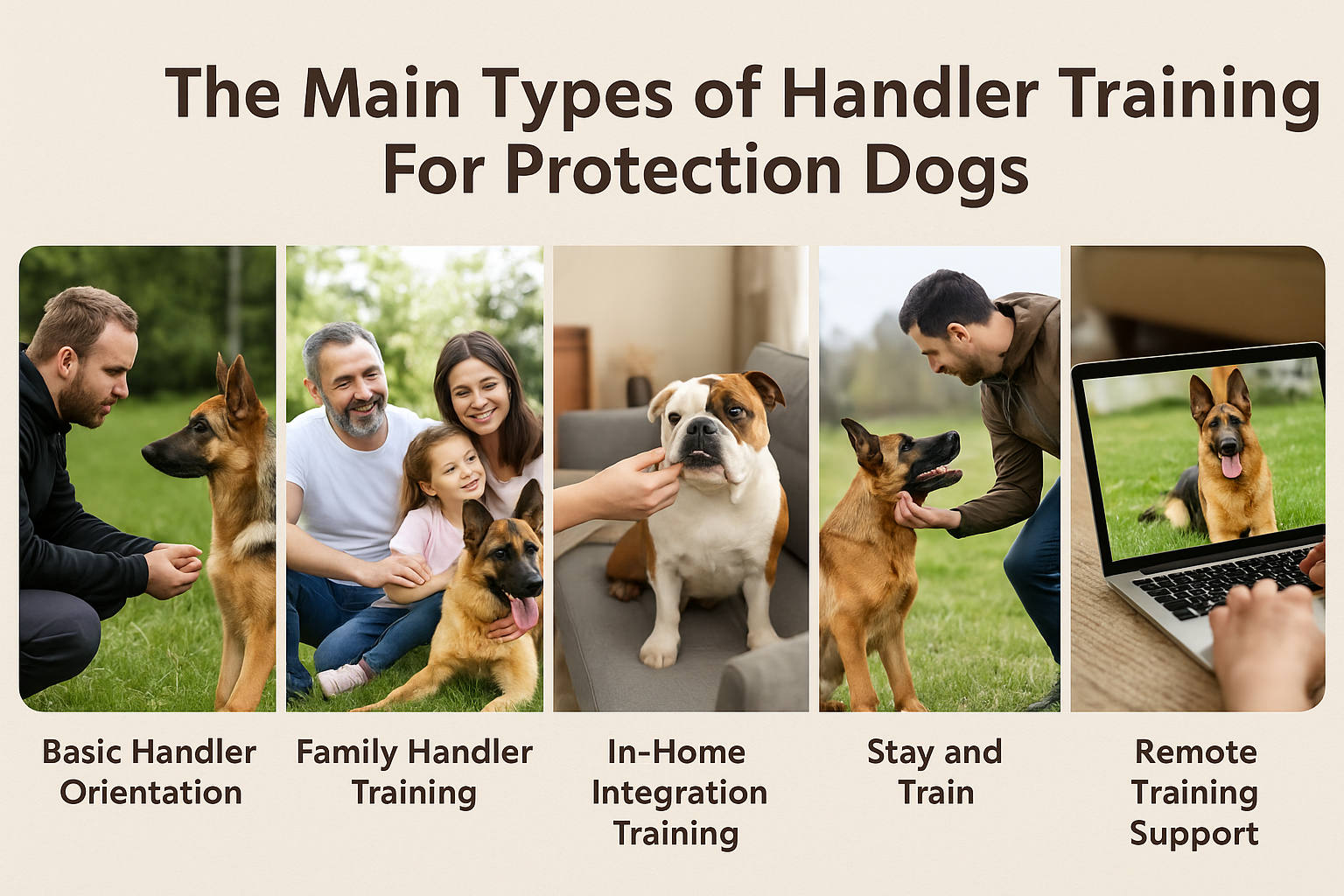
We offer:
- Fully trained family protection dogs
- One-on-one handler training
- In-home integration and setup
- Stay-and-train programs for young pups
- Custom puppy confidence programs
From puppyhood to elite protection, we make sure your dog grows up brave, balanced, and bonded with your family ❤️.
❓ FAQ: Confidence Training for Puppies
1. When should I start confidence training?
Start as early as 3-4 weeks if you’re the breeder. For most new owners, 8 weeks is perfect!
2. Can I still help an older puppy?
Yes! Even at 6+ months, you can build confidence with the right guidance. We help dogs of all ages!
3. What if my puppy is very shy?
Go slowly. Let them explore without pressure. Use food, praise, and gentle encouragement. Never force.
4. Should I let my puppy meet everyone?
Not quite. Let them watch first, then choose to approach. Confidence grows best with safety and trust.
5. Will tug games make my dog aggressive?
Nope! When done right, they build drive, focus, and fun! We love using drive games.
6. Do your dogs come pre-trained with confidence?
Yes! Every dog from https://protectiondogss.com/ is raised with confidence drills from day one.
7. Can kids help with confidence building?
Absolutely! With supervision, kids can play, reward, and help teach calm bravery. It’s a great bonding experience 💞.
8. What if my puppy regresses and becomes fearful?
That’s normal during growth stages. Just back up a step, reward calm, and don’t panic. We offer remote training help if you need support.
Confidence is the root of greatness in every protection dog 🌳. With your love, structure, and practice, your puppy can grow into a brave, balanced, loyal guardian.
And remember, you’re never alone on this journey. At https://protectiondogss.com/, we’re here to help every step of the way 🐕.
Ready to meet your future protector? Explore our puppies for sale and let’s build their confidence together 💪🐾