Training a protection dog isn’t just about sit, stay, and fetch, it’s also about trust, safety, and confidence-building 💪. One of the most important pieces of the training puzzle is your decoy, the person who pretends to be the “bad guy” so your dog learns how to respond to threats safely and smartly.
Choosing the right decoy isn’t just a cool decision, it’s a BIG one. The wrong decoy can scare or confuse your dog 😟, while the right one builds confidence, control, and teamwork 🐾.
🧠 What Is a Decoy in Protection Dog Training?
In protection dog training, a decoy is someone who plays the “bad guy” role. They wear special bite suits, move like a threat, and help your dog practice what to do in real-life situations — like home intrusions or carjacking scenarios.
Think of a decoy like a coach in football 🏈. They help your dog “practice defense,” so when it really matters, your dog knows what to do safely and calmly.
📋 Why Choosing the Right Decoy Matters
Not all decoys are the same. A great decoy can:
✅ Build your dog’s confidence
✅ Make training fun, not scary
✅ Teach precision and control
✅ Help your dog know friend from foe
✅ Keep the training safe for everyone involved
A bad decoy can:
❌ Make your dog nervous or fearful
❌ Teach the wrong habits
❌ Cause injury to your dog or themselves
❌ Damage trust between you and your dog
🧰 Key Qualities of a Good Decoy
Here’s what to look for when choosing a decoy for your dog’s training:
| Quality | Why It Matters | Our Approach at https://protectiondogss.com/ |
|---|---|---|
| 🎓 Certified Experience | Knows how to read dog body language, pressure, and timing | All our decoys go through structured certification |
| 🧍 Realistic Movement | Makes training feel real without overwhelming the dog | We simulate real-life threats like home intrusions and carjackings |
| 😌 Calm Under Pressure | Dogs feed off energy—nervous decoys = nervous dogs | Our decoys stay cool even with high-intensity dogs |
| 📢 Great Communicator | Works hand-in-hand with your trainer | Our team trains together, not separately |
| 🤝 Handler Respect | Listens to YOU, the dog’s handler | We include family handler coaching for teamwork |
| 🐶 Breed Familiarity | Different breeds respond differently | We know Malinois, Rottweilers, Cane Corsos, and more! |
🛠️ Types of Protection Training That Need a Decoy
Decoys are essential in several phases of protection training, such as:
🏠 Home Invasion Drills
Your dog learns how to respond to someone trying to break into your house. The decoy helps simulate danger without causing real stress.
🔗 Learn more: Home Invasion Drills
🚗 Carjacking Scenario Training
Whether in your driveway or out shopping, your dog should know how to protect you in a vehicle.
🔗 Learn more: Carjacking Scenario Training
🚶 Handler Protection Drills
The decoy targets YOU while walking with your dog. Your dog learns how to step in safely and when to back off.
🔗 Learn more: Handler Protection Drills
🦴 Bite Work Basics
A decoy helps your dog learn proper bite placement, control, and the all-important “Out” command.
🔗 Learn more: Bite Work 101
🛡️ How We Train Decoys at https://protectiondogss.com/
We don’t just “hire a guy in a suit.” We train our decoys like we train our dogs: with precision, purpose, and care ❤️.
Here’s our process:
- Theory First – Our decoys learn dog behavior, pressure sensitivity, and timing before ever suiting up.
- Suit Up – They practice basic movements in bite gear: slow steps, turns, and realistic threats.
- Feedback Loop – Every session is reviewed with trainers to improve timing and technique.
- Scenario Roleplay – Real drills like break-ins, parking lot attacks, and decoy misdirection.
- Family Inclusion – We help clients learn how to train with their dog and the decoy safely!
🔄 Can You Be Your Dog’s Decoy?
Maybe! But only for very basic drills.
Pros:
👍 You know your dog’s limits
👍 It builds your bond
👍 It saves on cost for light sessions
Cons:
👎 You may teach poor habits
👎 No real pressure simulation
👎 Safety risk if you’re untrained
💡 We recommend you leave high-stress or advanced drills to professionals, like those at https://protectiondogss.com/ and start with fun family drills only.
🔗 Check out Family-Friendly Training Games
🐾 Common Mistakes People Make with Decoys
Avoid these slip-ups when selecting or working with a decoy:
🚫 Picking someone just because they own a bite suit
🚫 Choosing a decoy who trains all dogs the same
🚫 Going too hard too fast (especially for young dogs)
🚫 Skipping foundational obedience before bite work
🚫 Not adjusting based on your dog’s breed and drive
Your protection dog isn’t just a tool, it’s your family. Let’s train them that way 💙.
📦 Decoy Gear: What’s Needed?
| Gear | Purpose | Why It’s Important |
|---|---|---|
| Bite Suit | Full-body padded suit for safety | Protects decoy during bite sessions |
| Hidden Sleeve | Light, hard-to-see arm protector | Teaches dogs to bite with precision |
| Whip/Noise Tools | Creates sound for stress test | Prepares dogs for real-life distractions |
| Muzzle | Used during no-bite drills | Helps teach controlled aggression |
| Helmet | Head safety for close combat drills | Especially with strong breeds like Boerboels |
| Clatter Stick | Plastic or metal noise-maker | Used in Noise Desensitization training |
🧠 Breed-Specific Decoy Tips
Different breeds react differently in training! Here’s how experienced decoys adjust:
| Breed | Decoy Strategy |
|---|---|
| German Shepherd | Likes clear routines and fair pressure. Decoy should build trust. |
| Belgian Malinois | High energy! Decoy must stay fast, focused, and never sloppy. |
| Cane Corso | Needs confidence-building. Calm decoys are a must. |
| Doberman | Watch tone and emotion, too much pressure can backfire. |
| Rottweiler | Strong grip; decoy should work on clean release commands. |
Want help choosing a breed that works well with pro decoy training? Check out Our Protection Dog Breeds
🏡 At-Home Drills (No Decoy Needed)
You don’t need a decoy for every training day. Here are at-home drills you can do:
- 👨👩👧 Family Call Outs: Practice “alert” and “out” cues in play
- 🎾 Tug Games: Teach grip and let-go safely
- 🚪 Doorbell Drills: Practice barking and recall
- 🪑 Obedience Under Stress: Add distractions like loud music or guests
- 🧸 Stranger Roleplay: Have a friend visit with a backpack or sunglasses
Need more ideas? Visit our Protection Dog Training Services
🧑🏫 Decoys Are Teachers, Not Targets
A good decoy is more than someone getting bitten in a suit. They are:
📘 Teachers
🧭 Guides
🏋️ Conditioners
🧠 Behavior experts
That’s why at https://protectiondogss.com/, our decoys are part of your training team. From puppy play to elite drills, they’re with you every step of the way.
❓FAQs About Decoy Selection
1. Can any trainer be a decoy?
Nope! Decoy work is a skill of its own. Great decoys need training, timing, and control.
2. What’s the best age to start decoy training?
Light play can start as early as 12 weeks, but serious decoy drills usually begin at 6-8 months.
3. Should my dog bite the same decoy every time?
No. Dogs should experience different decoys to avoid familiarity bias.
4. Can decoy work make my dog aggressive?
Not if done right! Decoy work builds calm control, not chaos. Aggression comes from fear or poor training.
5. How do I know if a decoy is good?
Watch a session. Do they move clearly, communicate well, and build the dog’s confidence? That’s a win!
6. Are your dogs already trained with decoys?
Yes! All dogs from https://protectiondogss.com/ are raised with professional decoys from day one.
7. Can I train with your decoys if I buy a dog from you?
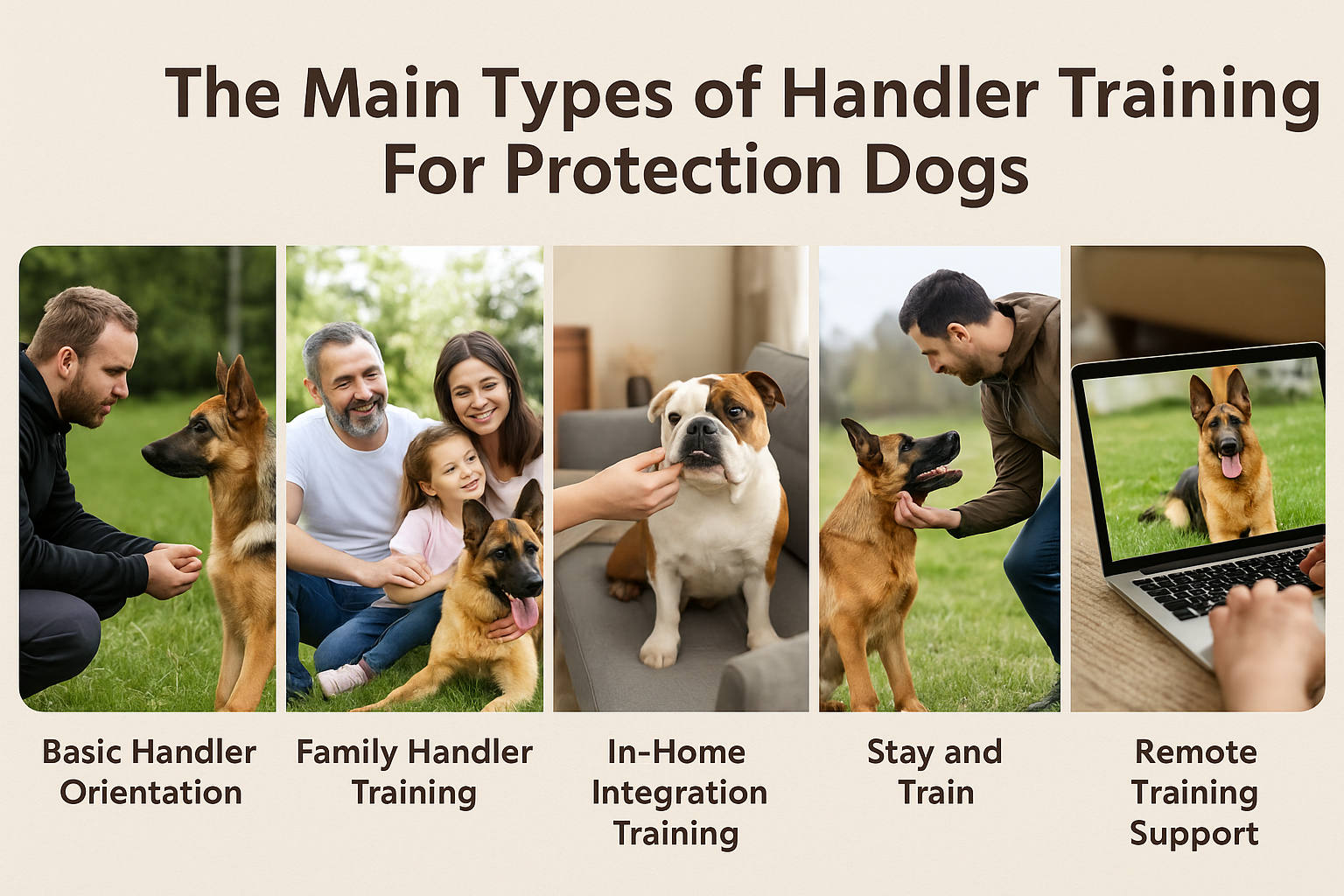
Absolutely! We offer full Family Handler Training and In-Home Integration.
8. What if my dog gets scared during decoy training?
That’s okay! Our decoys slow down, read your dog’s signals, and rebuild trust safely.
9. Can I do decoy training remotely?
Yes. With our Remote Training Support, you’ll get step-by-step help wherever you live.
Ready to train the RIGHT way with the RIGHT team?
👉 Start with Our Expert Trainers and Certified Decoys at https://protectiondogss.com/
Your dog deserves the best, and so do you! 🐾💼