When it comes to keeping your home and family safe, nothing beats the loyalty and strength of a trained protection dog. But did you know your dog’s skills must be practiced regularly in real-life settings to stay sharp? One of the best ways to build those life-saving instincts is through home invasion drills. 💥🐕
Now, we’ll teach you what home invasion drills are, how they work, and how you can start using them to build the ultimate bond of trust, obedience, and protection with your dog. Whether you’re a new dog owner or an experienced handler.
And guess what? If you ever need expert support, training, or even a fully trained protection dog https://protectiondogss.com is here to help. 🐾
🧠 What Are Home Invasion Drills?
Home invasion drills are realistic training exercises where your dog practices how to react if someone tries to break into your home. These drills help your dog learn how to:
- Detect intruders 🕵️♂️
- Alert family members loudly and clearly 🔊
- Confront and corner the intruder without hurting loved ones 🚷
- Follow exact commands from YOU under pressure 👨✈️
- Stay calm when the danger is over 😌
Think of them like fire drills, but for dog protection! 🔥🐕
🛡️ Why Are Home Invasion Drills So Important?
Even the best-trained dogs can lose focus if they don’t get to practice their skills in real-life settings. Home invasion drills:
- Sharpen your dog’s reaction time
- Make sure your dog follows commands under stress
- Prepare your family to know what to do 🧑👩👧👦
- Reduce panic in real emergencies
- Build deeper trust between you and your dog ❤️
And remember: drills don’t teach your dog to be aggressive. They teach controlled defense, keeping everyone safe.
🏠 Types of Home Invasion Scenarios to Train For
There are different styles of home invasion drills you can practice. Each one helps your dog prepare for a specific kind of threat:
| Scenario Type | Goal | Key Focus |
|---|---|---|
| 💥 Forced Entry | Practice reaction when someone kicks in a door or window | Alert barking, positioning, stopping the threat |
| 🚪 Open-Door Entry | An intruder walks through an unlocked door | Silent alert, body-blocking |
| 🛏️ Bedroom Entry | Break-in while family is asleep | Night response, recall to safe zones |
| 👨👩👧👦 Family Protection | Intruder enters with family in the room | Stay near kids, wait for cue to defend |
| 🔐 Garage or Back Door Entry | Back entry often targeted | Remote response, hallway control |
Our training at https://protectiondogss.com/services/protection-dog-training includes all these scenarios, and more.
🧰 What You’ll Need to Get Started
Before running your first drill, gather a few simple tools:
- A training bite sleeve or decoy suit 🧤
- A trusted “intruder” to roleplay 🧍♂️
- A safe room or entryway to practice in
- A leash and e-collar (optional for correction support)
- Treats and praise for reward-based learning 🍖🎉
Most importantly: always keep it safe for everyone involved. Never try drills if your dog isn’t ready or doesn’t understand commands yet.
🐶 Running a Basic Home Invasion Drill
✅ Step 1: Choose a Time & Scenario
Pick a quiet time when your dog is alert. Decide which scenario you want to practice (front door, garage, night alert, etc.)
✅ Step 2: Set Up the Environment
Place the intruder outside the door. Make sure your family is inside in position. Put your dog on leash the first time for safety.
✅ Step 3: Start the Drill
Have the intruder bang on the door or enter loudly. Your dog should naturally alert. Use commands like:
- “Watch!” 👀
- “Stay!” ✋
- “Bark!” 🐶
- “Out!” (release and reset)
If your dog goes too far or too soft, give feedback.
✅ Step 4: Praise and Repeat
Always reward your dog at the end with food or play. Re-run the drill a few times each week with different intruders, rooms, and commands.
🧩 Adding Complexity Over Time
As your dog improves, level up your drills:
- 👥 Add multiple intruders
- 🛌 Run drills at night or early morning
- 👧 Let your kids give basic commands
- 🧭 Change entry points and routes
- 🎭 Have intruders act calm, sneaky, or aggressive
Protection dogs trained at https://protectiondogss.com/dogs-for-sale/family-protection-dogs are already used to these variations. But drills keep them sharp! 🧠✨
🔒 Teaching Your Dog to Defend, NOT Attack Randomly
We hear this question a lot: “Will my dog just attack people randomly?”
Absolutely not! ❌ Your dog should only respond when:
- They sense a real threat
- You give them a specific command
- Their training tells them what’s safe and what’s not
That’s why controlled drills matter. They teach your dog how to think, not just react. 🧠💡
💡 Pro Tips from Our Trainers
At https://protectiondogss.com/, we run hundreds of drills a year. Here are some golden tips from our pros:
- Keep drills short, 5 to 10 minutes is enough
- Always end with success, not failure
- Don’t over-correct. Build confidence slowly
- Never yell or scare your dog on purpose
- Use fun praise (not just food) to build a happy mindset
- If your dog looks stressed, stop and reset 🧘♀️
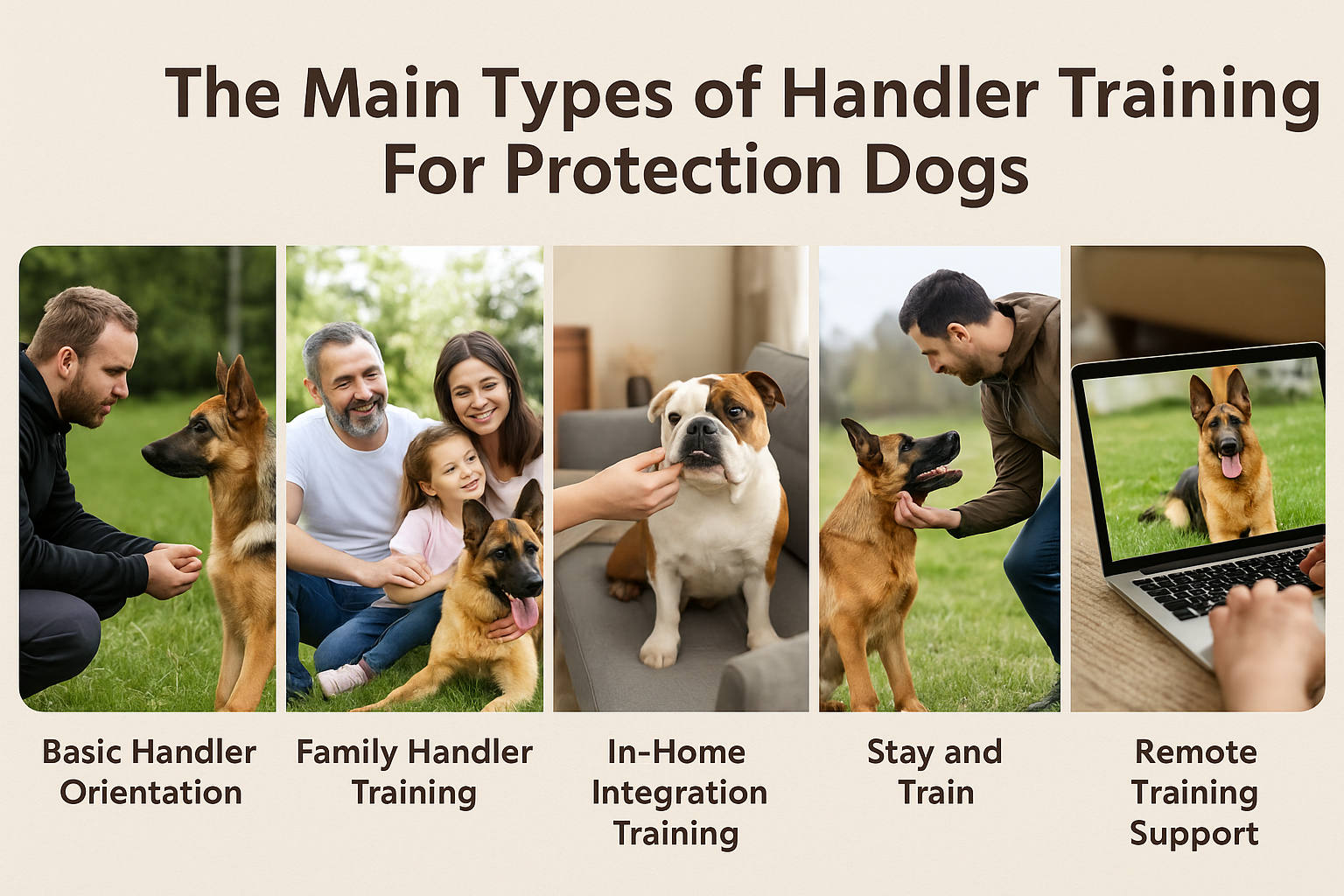
Need hands-on help? Our family handler training is perfect for coaching everyone in the home, parents, kids, and even the babysitter!
🏆 What Makes a Great Home Invasion Dog?
Not every dog is ready for this kind of work. Here are the traits we look for when training elite home protectors:
| Trait | Why It Matters |
|---|---|
| 💪 Confidence | Helps your dog confront danger bravely |
| 🧠 Intelligence | Learns commands quickly and adapts |
| 🧎 Obedience | Follows your voice under pressure |
| 👂 Alertness | Detects noises or movement before you do |
| 💕 Loyalty | Stays close to family and protects them |
Want a dog like this? Visit https://protectiondogss.com/dogs-for-sale/elite-protection-dogs to meet our trained superstars.
👨👩👧👦 Family Involvement in Drills
Your protection dog isn’t a one-person team. They protect the whole family, so the whole family should know what to do.
Involve your kids by:
- Practicing hiding in a safe room
- Yelling “Help!” to signal your dog
- Giving calm commands like “Stay” or “Place”
- Joining praise time afterward 🥳
This makes your dog feel connected to everyone, and helps your children feel safe and confident, too. 💞
🧳 Can You Practice These Drills in a New Home?
Yes! In fact, it’s smart to re-train after moving. Every home has a new layout, doors, and smells. If you’re settling in, check out our post on moving homes with a protection dog.
We also offer in-home integration for new dogs. Our trainers visit your house and run drills right where you live.
🚫 Common Mistakes to Avoid
Be careful not to make these common errors during drills:
❌ Doing the same drill every time
❌ Using random strangers as decoys
❌ Letting kids scream or tease the dog
❌ Forgetting to reward your dog after success
❌ Pushing your dog too fast without breaks
Great training is like great parenting, firm but fair. 💛🐾
🛠️ When to Call the Experts
If your dog:
- Doesn’t listen under pressure
- Barks but won’t bite (or vice versa)
- Is fearful or overly aggressive
- Won’t follow commands from your family
…it might be time for expert support. That’s where we come in!
From custom training programs to certified protection dogs for sale, https://protectiondogss.com has the tools to protect your home and loved ones, confidently and completely.
📘 Practice Builds Protection 🐾
Home invasion drills turn a good dog into a great protector. They build habits, strengthen bonds, and ensure everyone in your home feels safe, even in the scariest moments.
Start simple, stay consistent, and don’t be afraid to ask for help. 💪 Whether you need a fully trained dog, family handler support, or just someone to walk you through that first drill, we’re here for you.
👉 Visit https://protectiondogss.com/services/protection-dog-training to start your journey.
👉 Browse our dogs for sale if you’re looking for the perfect partner.
👉 Learn more on our blog for tips, checklists, and safety drills.
Together, we’ll make your home the safest place in the world. 🏡🦴🐕💥
❓FAQs About Home Invasion Drills for Protection Dogs
1. What age should my dog start home invasion drills?
Most dogs can begin light drills by 6-8 months. Just start slow with easy commands.
2. Will this training make my dog aggressive?
Nope! We train for calm, controlled protection, not random biting. Safety comes first. 🛑
3. How often should we practice?
Once or twice a week is great! Just like sports practice, consistency is key. 🏈
4. Can kids join in the training?
Yes, with adult supervision. Kids can give commands, praise the dog, or act as part of the family scenario. 👧👦
5. Do I need special gear?
You don’t need much! A bite sleeve or decoy suit helps, but praise and basic obedience go a long way.
6. What if my dog gets too scared?
Stop the drill and comfort them. Confidence builds with love and time, not force.
7. Can I get a fully trained home invasion dog?
Absolutely! We offer elite-level dogs ready to protect from day one: https://protectiondogss.com/dogs-for-sale/elite-protection-dogs