Does your protection dog freeze when a squirrel runs by? 🐿️ Or maybe your pup listens perfectly at home, but ignores commands at the park? That’s where “proofing under distraction” comes in!
Now, we’ll teach you how to train your protection dog to stay focused, even in noisy, wild, or high-stress places. From busy sidewalks to surprise visitors, we’ll help your dog respond every time. 💪🐶
Let’s build bulletproof obedience, together.
What Does “Proofing Under Distraction” Mean? 🤔
Proofing means teaching your dog to obey no matter what’s going on around them. Just like a firefighter trains with fake fires, your protection dog needs practice with chaos and surprises. 🚒🔥
Here’s an example:
- “Sit” at home? Easy! ✅
- “Sit” while kids scream and a ball flies by? 🎾 That’s proofed obedience ✅✅✅
When we say “distraction-proof,” we mean:
- 🚗 Loud traffic
- 🧍♂️ Strangers approaching
- 🐩 Other animals
- 🍔 Food on the ground
- 😱 Sudden noises
- 🧒 Kids playing
- 🛎️ Doorbells
With the right training, your dog learns: “No matter what I hear, smell, or see… I listen to YOU.”
Why Distraction-Proofing Is a Must for Protection Dogs 🛡️
Protection dogs must stay focused during real-life situations. Their job is to protect your family, even when chaos happens. If they get distracted, they could:
- Misjudge a threat 🚫
- React too soon or too late ⌛
- Disobey commands at the wrong time 🧨
- Ignore their handler 🗣️
Training your dog to ignore distractions:
- Builds confidence 💪
- Increases safety 👨👩👧👦
- Deepens obedience 🎯
- Reduces false alarms 🚫🔊
And best of all? A distraction-proof dog is calmer, happier, and more trustworthy in every environment. 🐾
How We Help at https://protectiondogss.com/ 🐕🦺
At https://protectiondogss.com/, we specialize in raising protection dogs with rock-solid obedience, even in the wildest situations.
Our expert trainers create distraction simulations for:
- Busy cities 🏙️
- Country farms 🌾
- Crowded schools 🏫
- Family BBQs 🍗
- Hotels, airports, and public spaces 🧳
Whether you buy a dog from our trained dogs for sale or join our handler protection drills, we’ll guide your dog to be cool, calm, and 100% focused, even under pressure.
How to Proof Your Protection Dog Under Distraction 🐶🧠
Step 1: Start With a Solid Foundation 🧱
Before adding distractions, your dog must master basic obedience in a quiet setting. Practice:
- Sit 🪑
- Down 🛌
- Stay 🧍♀️
- Come 🐾
- Heel 🚶♂️
Practice these at home with no noise, no guests, and no toys around.
📌 Tip: Use treats and praise to make learning fun!
Step 2: Add Tiny Distractions 🐦
Now, slowly introduce mild distractions:
- Play light music 📻
- Toss a toy across the floor 🧸
- Have someone walk past the room 🚶
Repeat each command. If your dog breaks focus:
- Pause training ⏸️
- Reset with “Sit” or “Down” 🔁
- Reward when they succeed 🎉
Step 3: Move to New Locations 🌳
Once your dog obeys with light distractions, take the training outside.
Practice in:
- 🏞️ A quiet park
- 🐾 A dog-friendly store
- 🧑🍳 A calm outdoor cafe
Each time, add more challenge. Have your dog “Stay” while people walk by. Call them to “Come” near barking dogs.
📌 Tip: Keep training sessions short (10–15 min) and always end with success!
Step 4: Add Real-Life Chaos 🎭
Now it gets exciting! Try:
- Banging pans 🥁
- Jumping, clapping kids 👶
- Barking dogs nearby 🐕
- You running past or falling down 🤸♂️
Make it fun, but safe. You’re training your dog to stay laser-focused no matter what.
Step 5: Practice Emergency Scenarios 🚨
In our handler drills, we simulate:
- Fake break-ins 🏠
- Suspicious strangers approaching 🚶♂️🕶️
- Loud arguments or sudden threats ⚠️
At home, you can:
- Ask a friend to knock loudly 🛎️
- Walk your dog past skateboarders or bicycles 🛹🚲
- Call your dog from 30 feet away in a noisy park
Real protection starts with realistic training.
Step 6: Stay Calm, Consistent, and Clear 😌
When your dog fails:
- Don’t yell ❌
- Don’t repeat commands endlessly ❌
- Don’t punish ❌
Instead:
✅ Calmly reset the situation
✅ Go back one step
✅ Use leash guidance if needed
✅ Reward the right behavior every time
This is a process. And YOU are your dog’s coach, cheerleader, and safe place. 🧑🏫🎉🐶
Common Distractions & How to Train for Them 🧠📋
| Distraction Type | Example | Proofing Tip |
|---|---|---|
| Noise | Sirens, horns, clapping | Play soundtracks during “Sit/Stay” drills |
| Movement | Kids, bikes, joggers | Use parks or trails for real-life exposure |
| Smells | BBQ, trash, animal scents | Practice near outdoor food areas or animal barns |
| Other Animals | Barking dogs, birds | Begin from a distance, then get closer with leash control |
| People & Strangers | Mailman, delivery, guests | Set up friend visits, teach “Place” command |
| Sudden Events | Falling objects, yelling | Simulate chaos at home using friends or fake threats |
Tools That Help With Distraction Training 🧰🐕
Want to make training smoother? Try these:
✅ Long Leash (30ft)
For safety while giving freedom
✅ Treat Pouch
Keeps rewards handy 🎁
✅ Clicker
To mark good behavior instantly 👌
✅ E-Collar (used properly)
For advanced control during off-leash distractions (see our off-leash guide)
✅ Place Mat or Cot
Teaches calmness under pressure 🧘♂️
Best Breeds for Distraction-Proofing 🐕🦺
Some dogs are naturally better at staying focused. These breeds shine at obedience, even with distractions:
We raise and train all of these breeds at https://protectiondogss.com/dogs-for-sale with built-in obedience and focus.
How We Make Training Easy for You 🎓🐾
We offer full training support through:
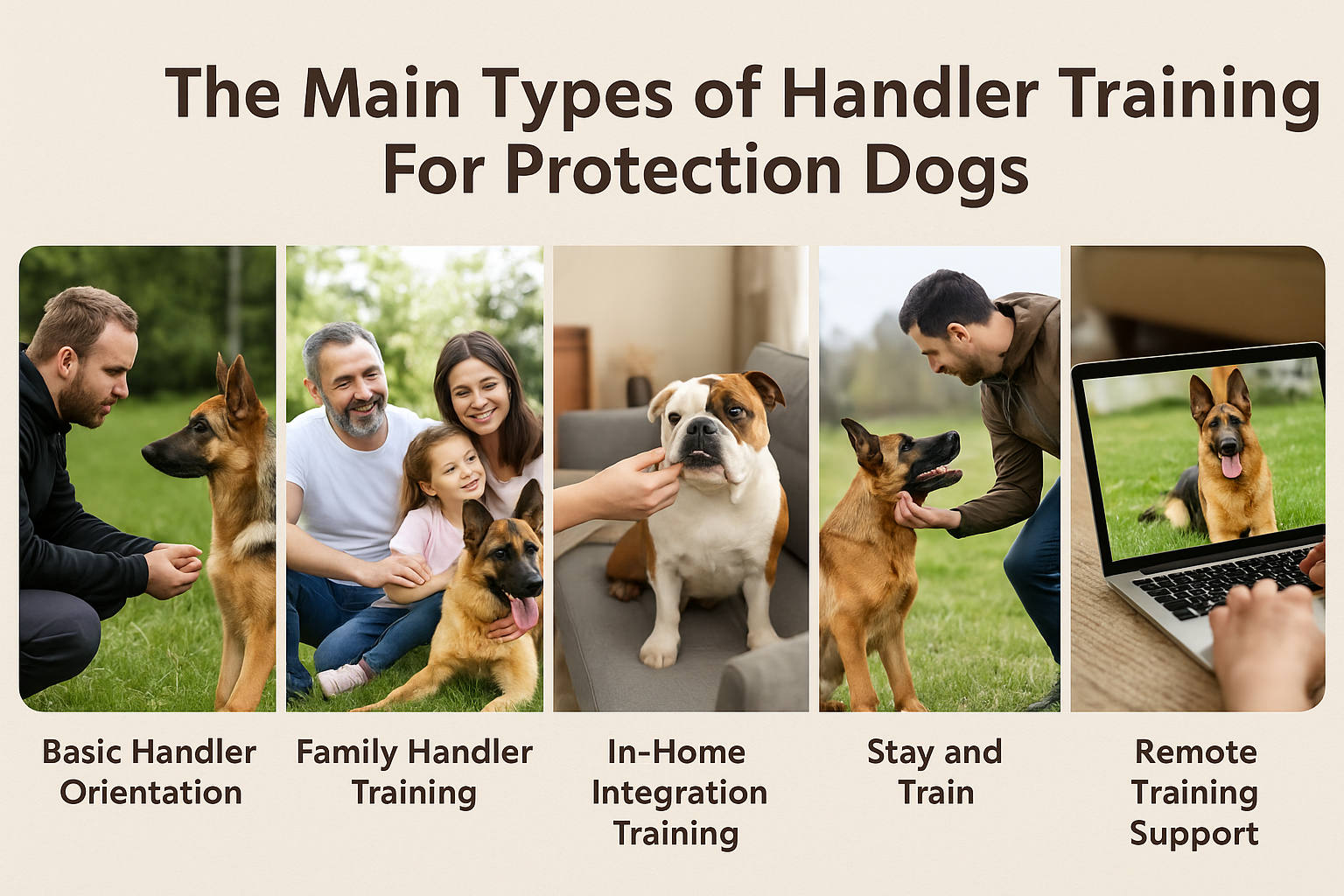
- In-home integration so your dog adjusts to your distractions
- Family handler training so everyone learns together
- Training refresh services when your dog needs a reboot
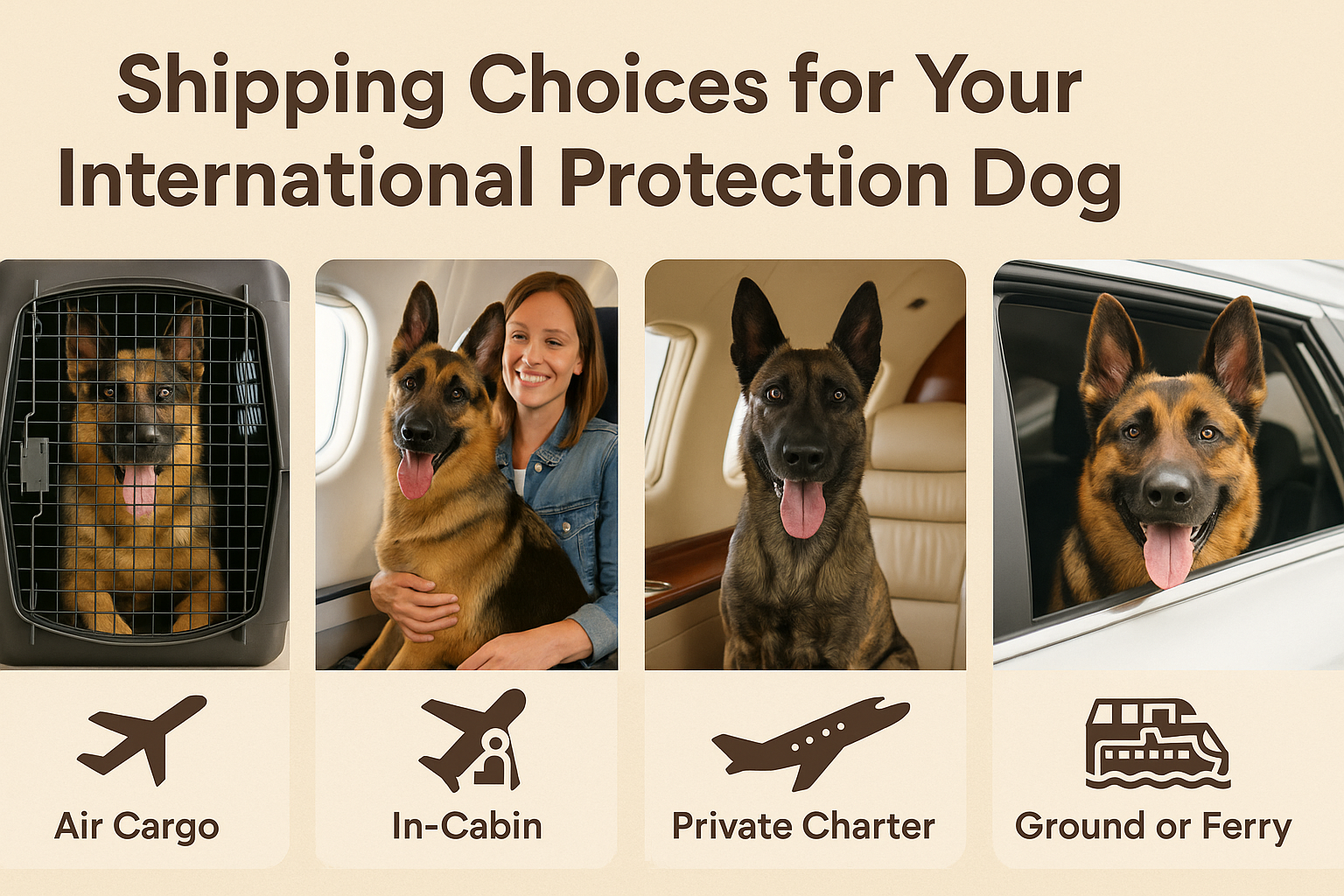
- VIP travel support for distraction-proof behavior on the go!
Need help proofing your dog? We’ve got your back. 🛡️💼🐕
Real-Life Scenarios You Should Practice 🧪🎭
To truly distraction-proof your protection dog, train for these daily-life challenges:
| Scenario | What to Practice |
|---|---|
| Guests ringing the doorbell 🔔 | Teach your dog to go “Place” and stay |
| Kids running around screaming 🧒🏃♂️ | Practice calm “Sit” in the middle of chaos |
| Walking past barking dogs 🐶 | Focus on “Heel” and leash pressure |
| Carrying food while giving commands 🍕 | Ignore temptation and follow direction |
| Fireworks or thunder 💥⛈️ | Use desensitization tools + safe hiding spot |
| Strangers asking to pet your dog 🧑🤝🧑 | Practice ignoring and staying calm |
Common Mistakes to Avoid 🚫❗
❌ Starting with too many distractions too soon
❌ Getting frustrated and quitting early
❌ Skipping leash training before going off-leash
❌ Assuming your dog “knows better”
❌ Not practicing in new places regularly
Dogs don’t “just know” they need reps, structure, and your calm guidance.
How to Know When Your Dog is Ready 🎯🎉
A distraction-proof dog will:
- Obey instantly, even when you’re not holding the leash
- Stay focused in crowds, chaos, and new places
- Respond the same way whether home alone or downtown
- Wait patiently for your next command
If your dog can do that, you’re ready for advanced challenges like:
Your Distraction-Proof Journey Starts with Us 🐾❤️
Whether you’re starting from scratch or polishing up your elite dog’s focus, https://protectiondogss.com/ is your go-to partner.
We’ll help with:
- Finding the right protection dog for sale
- Creating a customized training plan
- Proofing your dog for your real lifestyle
No matter how loud the world gets, your dog will always hear YOU. 🐶👂💖
FAQs About Distraction Training 🧠🐕
1. What age should I start distraction training?
As early as 4-6 months old! Start simple, then build up. Even adult dogs can learn with the right steps.
2. How long does it take to proof a dog under distraction?
Most dogs need 3-6 months of structured training. It’s a journey, not a sprint! 🐾
3. What if my dog gets overwhelmed?
Dial back the difficulty. Go back to a calm space, reward small wins, and slowly try again.
4. Can I use toys instead of treats?
Yes! Tug toys, balls, and praise are great rewards, especially for high-drive protection breeds.
5. Is this training safe for kids to join?
Absolutely, with your guidance. Start slow, use family-friendly games, and always supervise.
6. Should I hire a professional trainer?
For best results, yes! Especially for real-world protection dogs. We’re here to help at https://protectiondogss.com/
7. Will distraction training make my dog less protective?
Nope! It sharpens their mind, builds control, and makes them MORE reliable when it really counts.
Want your protection dog to listen no matter what? 🌪️
Start today with https://protectiondogss.com/ where focus meets fearlessness 🛡️🐕
Let’s train for the real world, together.