Does your dog bark, lunge, or growl in public? 😬 You’re not alone! Many protection dogs need help staying calm in busy places. Now, we’ll teach you how to lower reactivity, build confidence, and enjoy safe walks anywhere! 🐕🦺
Uh-Oh! My Dog Gets Jumpy Around Strangers! 😱
Imagine walking your loyal protection dog down the sidewalk. It’s a nice day… until your pup suddenly growls at a jogger, barks at a stroller, or lunges at a skateboarder. Yikes! 😵
Even highly trained dogs can react when things surprise them. But don’t worry, we’ve helped families all over the USA calm their dogs with simple training and trust-building.
At https://protectiondogss.com, we don’t just sell elite protection dogs, we support YOU with real-world behavior help. Now, we’ll shares everything we’ve learned about helping your dog relax and stay focused, even in busy places.
Let’s help your brave buddy feel cool, calm, and collected in public. 😎🐶
Glossary: Easy Words to Know 🧠
| Word | What It Means |
|---|---|
| Reactivity | When a dog gets overly excited, scared, or angry in response to something (like barking at other dogs) |
| Trigger | Something that causes your dog to react (like a person, dog, or loud noise) |
| Threshold | The level at which a dog can see a trigger without reacting |
| Desensitization | Teaching your dog to feel less stressed about a trigger |
| Counterconditioning | Changing your dog’s reaction to something from bad 😠 to good 😊 |
| Engagement | When your dog pays attention to you, not the distractions |
Why Do Protection Dogs React in Public?
Protection dogs are trained to be alert 🚨. That’s great for keeping your home safe, but it also means they notice EVERYTHING.
Common reasons your dog may react in public:
- 🛴 Sudden movements (bikes, scooters, kids running)
- 🐕 Other dogs barking or lunging
- 🧥 People wearing hats, hoodies, or uniforms
- 💥 Loud sounds like sirens or honking
- 🏙️ Overstimulating environments like busy cities
Some dogs react because they’re:
- Scared 😟
- Unsure 😕
- Too excited 🤩
- Trying to protect YOU 🛡️
Reactivity is not bad behavior—it’s your dog saying, “I’m not sure what to do!”
Step-by-Step Plan to Reduce Reactivity 🧩
Step 1: Know Your Dog’s Triggers 🎯
Write down everything that causes your dog to bark, growl, or lunge.
👉 Example:
- Sees a large man with a beard = growls
- Hears a skateboard = barks
- Another dog walks by = pulls and lunges
This helps you prepare and avoid surprises.
Step 2: Practice Distance First 🧍↔️🐶
Don’t go straight into a busy park! Start with calm places where your dog can see triggers from far away.
✅ Good places to train:
- Empty schoolyards
- Quiet parking lots
- Trails during off-hours
🎯 Goal: Your dog should notice the trigger but stay calm. If they start reacting, you’re too close—back up.
Step 3: Use High-Value Treats 🍗
Bring tiny, yummy treats your dog loves—like chicken, cheese, or special training snacks.
🧠 When your dog sees a trigger and stays calm, give a treat! This teaches them, “Strange things = Good stuff happens!”
That’s called counterconditioning!
Step 4: Teach “Look at Me” 👀
Train your dog to focus on your face. Practice in a quiet place:
- Say “Look!”
- When your dog looks at you, reward!
- Practice with light distractions
- Use this skill in public when they see a trigger
This builds engagement, so your dog learns to focus on YOU instead of reacting.
Step 5: Use a Training Tool (if needed) 🦺
Some tools can help keep your dog under control:
- Front-clip harness
- Gentle leader
- Short leash (no retractables!)
- Muzzle (if trained properly)
Need help with this? Our team at https://protectiondogss.com/services/protection-dog-training can guide you through the best tools and how to use them safely.
Step 6: Practice Often, Not Long 🕒
Short, frequent sessions work best:
- 5-15 minutes, 3-5 times per week
- Always end on a success 🎉
- If your dog gets overwhelmed, stop and try again later
Over time, you’ll notice BIG improvements!
Common Triggers and How to Handle Them 🧩
Here’s a table for common triggers and what to do:
| Trigger | Dog’s Possible Reaction | What to Do |
|---|---|---|
| Other dog on leash | Barking, lunging | Use “Look at me,” increase distance, reward calm |
| Jogger or biker | Lunging, growling | Practice in areas where joggers are visible from far away |
| Loud car/siren | Barking or freezing | Use treats right as the sound begins to build positive feelings |
| Stroller or child | Whining or pulling | Desensitize slowly, add distance, reward calm behavior |
| Stranger approaches | Barking or growling | Use body-blocking, command “Sit,” and reward neutral behavior |
🧠 Extra Smart Tips from Our Trainers
✅ Stay calm, your energy matters
If YOU act tense, your dog will too! Use slow breaths, soft voice, and relaxed hands.
✅ Avoid correcting fear
If your dog is scared, don’t yank or scold them. That teaches fear + punishment. Instead, move farther away and reward calm.
✅ Teach “Let’s Go!”
Use this cue to calmly leave a situation. Practice it before you need it in real life!
✅ Use sniff time 🐽
Letting your dog sniff lowers their stress. Add sniff walks in calm areas to help your dog decompress.
✅ Bring a helper
Train with a friend acting as a “fake stranger” or “fake jogger.” Controlled setups = faster success!
How Our Company Can Help YOU ❤️🐶
At https://protectiondogss.com, we provide fully trained protection dogs that are also family companions. That means we start public exposure training early, with confidence, calmness, and control.
But we don’t stop there! Here’s how we support you:
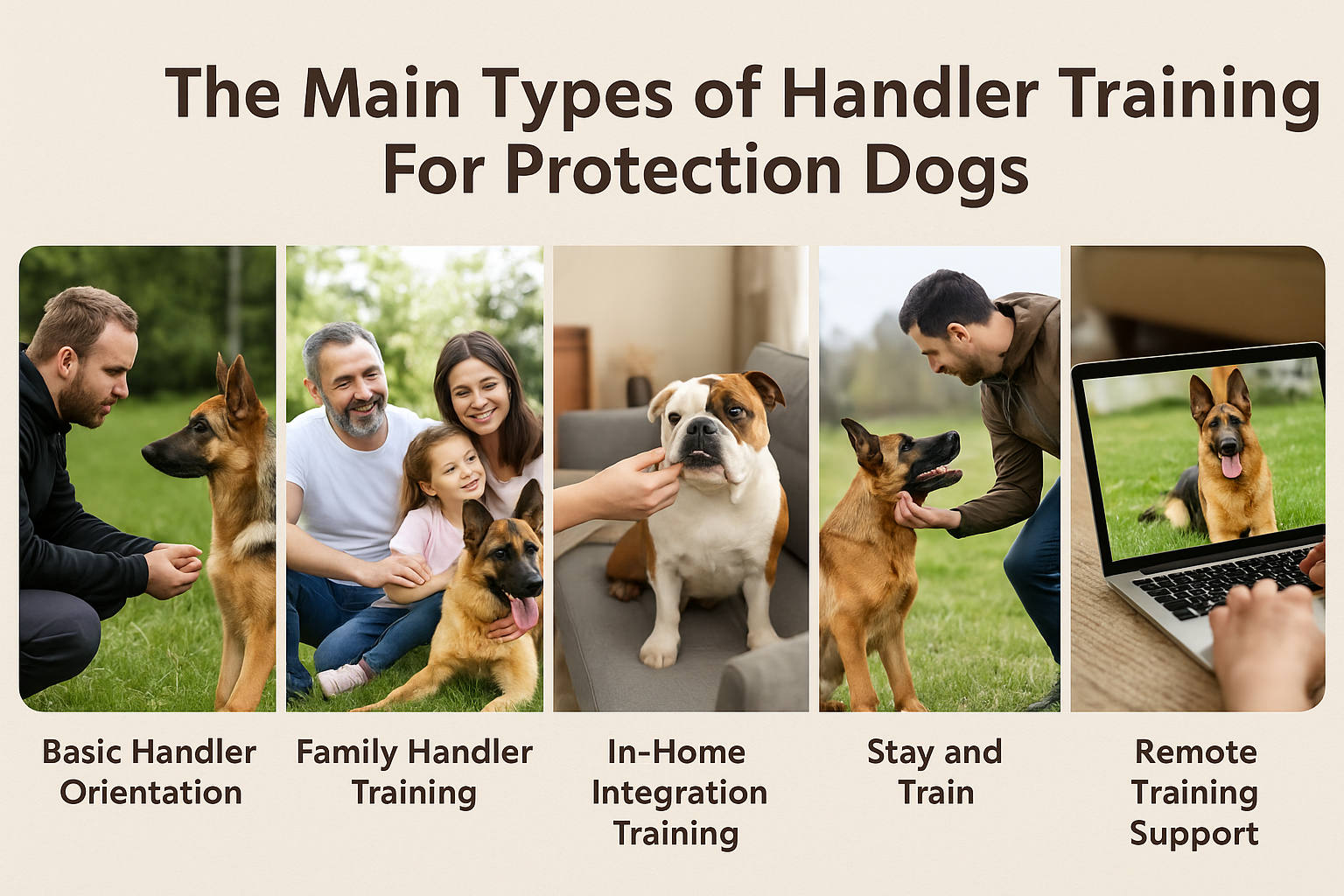
🌟 Family Handler Training – We show YOUR whole family how to stay safe and lead your dog confidently.
🌟 Training Refresh Services – Is your dog getting rusty? We’ll sharpen their public manners.
🌟 In-Home Integration – We come to YOU and help reduce reactivity where it matters most.
🌟 Remote Training Support – Can’t travel? We coach you online with real-time feedback.
From Dobermans to German Shepherds to Belgian Malinois, every breed we offer can be trained to stay focused, even in public chaos.
Explore more options in our Dogs for Sale collection today!
FAQs About Reducing Reactivity 🧠🐕
1. Is reactivity the same as aggression?
Not always! Reactivity can look scary, but it’s often fear or excitement. True aggression is different, and rare in trained protection dogs.
2. Can my dog grow out of reactivity?
Not without help. Dogs don’t “grow out” of fear, they need practice and guidance to change. We help families through that journey!
3. How long does it take to fix reactivity?
Some dogs improve in weeks. Others take months. It depends on their triggers and how often you practice!
4. Can puppies show reactivity too?
Yes! Start gentle exposure and confidence-building right away. Confidence Building for Puppies is key!
5. What if my dog reacts badly in crowds?
That’s common! Start in quiet places, then slowly increase the challenge. Don’t jump into a crowd until your dog succeeds in easy spots.
6. Do all dogs from https://protectiondogss.com come trained for public behavior?
Yes! Every dog is taught how to behave in public, from grocery store parking lots to airports. You’ll get a dog who knows how to stay chill. 😌
You’ve Got This! 🐾
Reactivity doesn’t mean your dog is “bad.” It just means they need help feeling safe and confident.
With patience, treats, and smart training, you can transform public walks into peaceful strolls, whether you’re heading to the park or traveling through the airport.
Want expert help? Visit https://protectiondogss.com to explore trained dogs, private coaching, and everything you need to raise a rock-solid protector who stays cool in ANY crowd. 💼🐕